

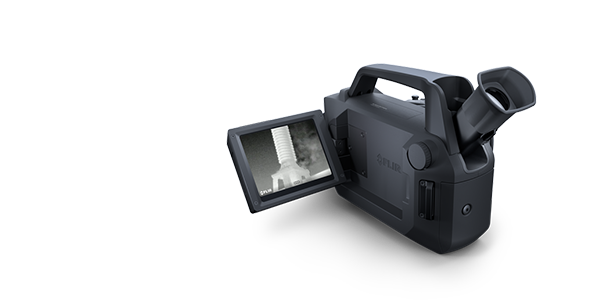
Gas Detection Cameras (OGI)
Infrared technology for industrial gas detection makes it possible to identify and measure the presence of hazardous gases or leaks invisible to the naked eye. Infrared detectors capture the radiation absorbed or emitted by specific gases, generating an image or signal indicating their concentration and location.
Description
Infrared technology for industrial gas detection makes it possible to identify and measure the presence of hazardous gases or leaks invisible to the naked eye. Infrared detectors capture the radiation absorbed or emitted by specific gases, generating an image or signal indicating their concentration and location.
This method is crucial for industrial safety, as it allows early detection of flammable, toxic or greenhouse gas leaks, preventing accidents and minimizing environmental risks. In addition, infrared technology offers continuous and non-intrusive monitoring, allowing rapid intervention and maintaining a safe and compliant work environment.
A large number of industrial gases and chemical compounds are invisible to the human eye. Yet they are transported and transformed every day.
Optical gas visualization using thermal imaging cameras has a number of important benefits. They allow a larger area to be monitored much more quickly and in areas that are difficult to access for contact measurement tools.
An IR gas detection system shows the leak in the infrared image. Once the leak is found, from a safe distance, the concentration can be quantified.
Some of the environments in which we will be able to use these systems are:
– Petrochemicals and refineries
– Power generation and distribution
– Steel mills
– Automotive and home appliance manufacturing
– Refrigerant gas detection
– SF6 Gas Detection
– Oil and gas extraction
– Municipal gas distribution
– Service companies
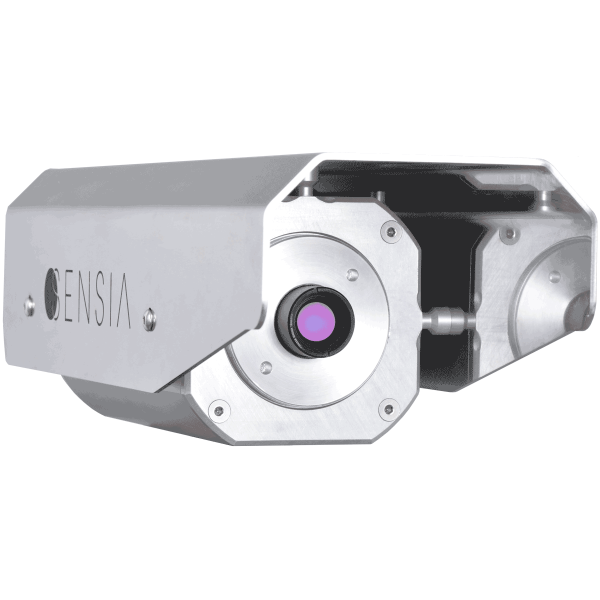

Discover our full range of thermal imaging cameras on our dedicated website: termografia.es
Other products you may be interested in
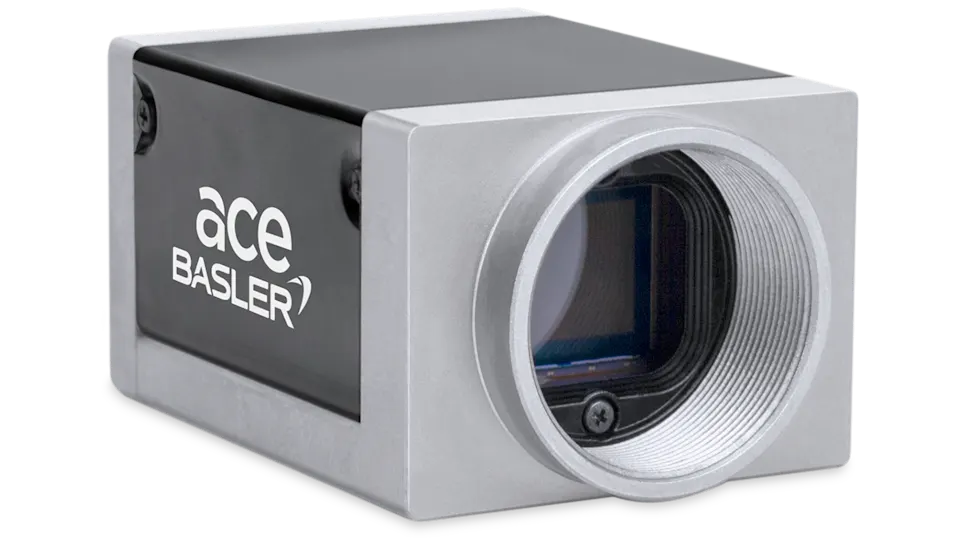
Basler ace L
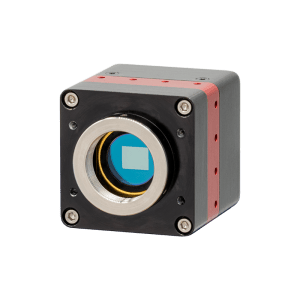
The product line Basler ace L product line offers processing cameras that feature high resolution and high image quality.
SWIR cameras
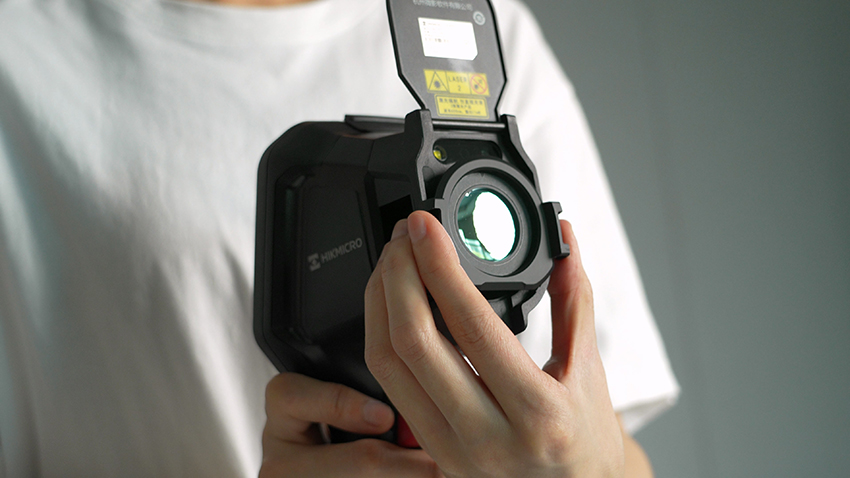
Raptor Photonics VIS-SWIR cameras are essential for industrial and scientific applications. With cooled InGaAs sensors, they offer high sensitivity in the VIS-SWIR spectrum (400-1700 nm). Models such as the OWL 1280 SWIR and the OWL MINI 640 SWIR stand out for their precision and compact design, ideal for electroluminescence, night vision, and semiconductor inspection.
More information about Gas Detection Cameras (OGI)
About Thermography
How do thermal imaging cameras for industrial gas detection work?
Thermal imaging cameras for gas detection operate using specialized infrared technology to identify gases based on their absorption of infrared radiation.
Radiation absorption: Gases have unique characteristics that allow them to absorb and emit infrared radiation at specific wavelengths. When a gas is present, it absorbs infrared radiation at these characteristic wavelengths.
Infrared sensor: Thermal imaging cameras equipped with infrared sensors detect and measure infrared radiation in the wavelength range corresponding to the gases being searched for. These sensors are designed to pick up changes in radiation due to the presence of the gases.
Data processing: The camera converts the detected infrared signals into visual data or electrical signals. The data is processed to identify and visualize the concentration and distribution of gases in the inspected area.
Visualization and alerting: The processed information is presented in the form of thermal images or gas concentration maps, showing the affected areas. The cameras can highlight areas with gas presence and, in some cases, generate alerts if dangerous concentrations are detected.
