


High Speed Systems
In the industry, more and more phenomena are happening at a very high speed. The eye works at 30 frames per second, so many of them escape human perception.
High-speed filming allows slow-motion viewing of very fast events, with the help of cameras capable of recording up to one million images per second.
Description
In an industrial world where precision and speed are crucial, there are phenomena that occur in fractions of a second, imperceptible to the human eye, which is only capable of processing about 30 frames per second. High-speed filming has become an indispensable technology, enabling the analysis of ultra-fast events using cameras that capture up to more than two million images per second.
The advance of digital systems, with their immediacy and compatibility with computer platforms, together with the development of new high-sensitivity CMOS sensors and megapixel resolutions, has generalized the use of these technologies. Today, high-speed cameras are a fundamental tool for innovation and quality control in the industry.
As leaders in advanced technology for industry and part of the Álava Group, at Álava Ingenieros we offer an extensive range of value-added products and services. With 50 years of experience pioneering solutions that are shaping the future of the industrial sector, we distribute leading TOP brands and are committed to the quality and excellence of each product.
Cutting-edge solutions with Photron and Fastec
Our collaboration with leading manufacturers such as Photron and Fastec allows us to offer versatile solutions adapted to every need.
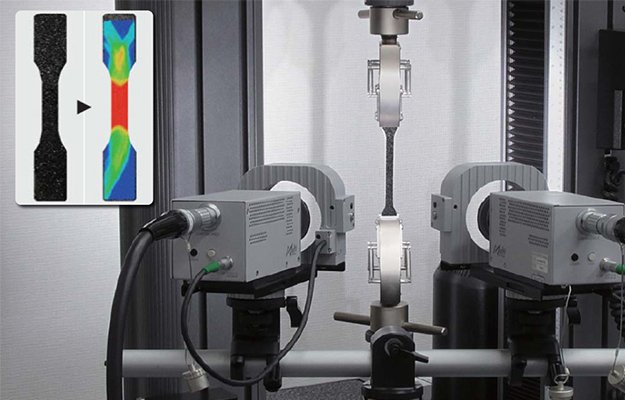
High Speed Systems:
-
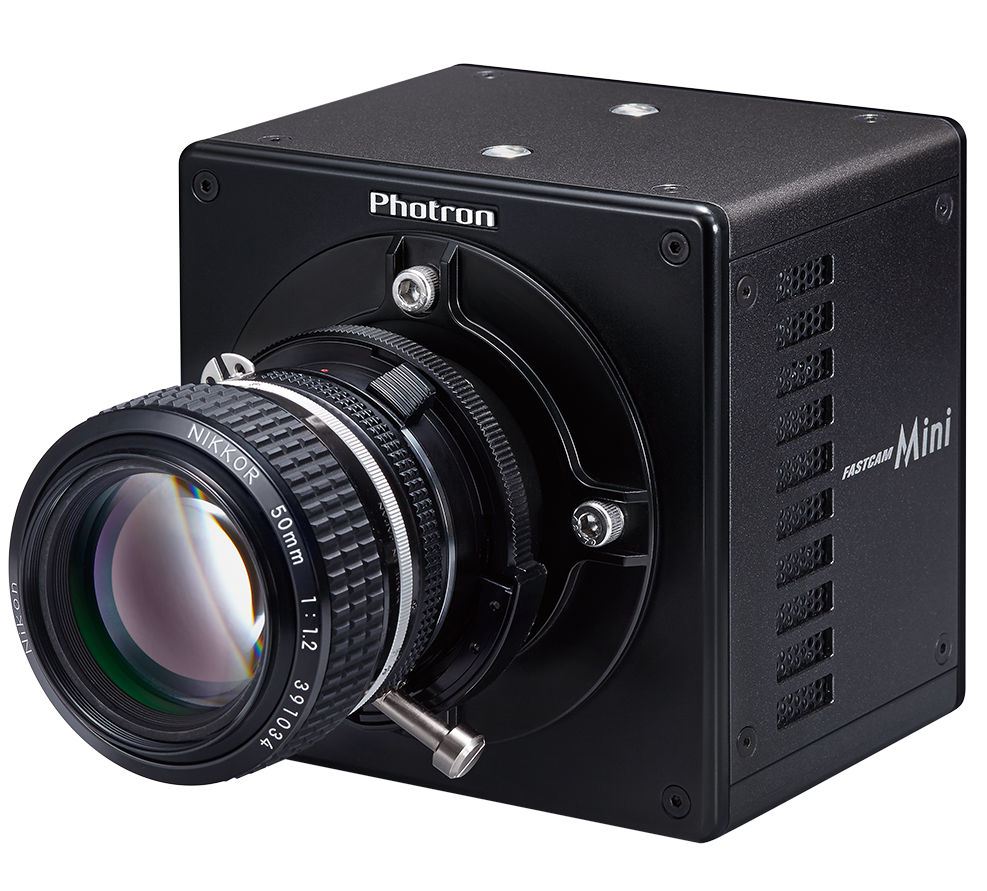
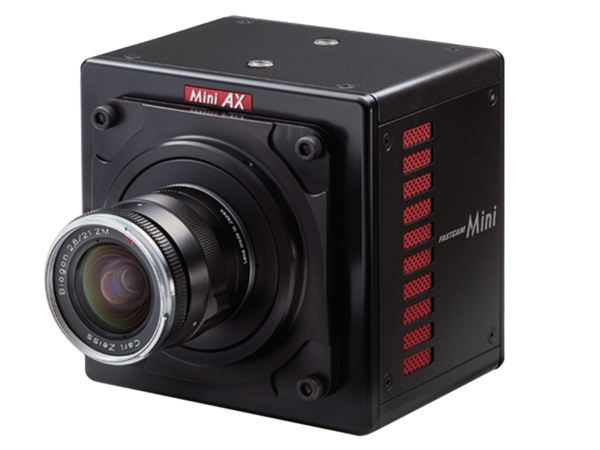
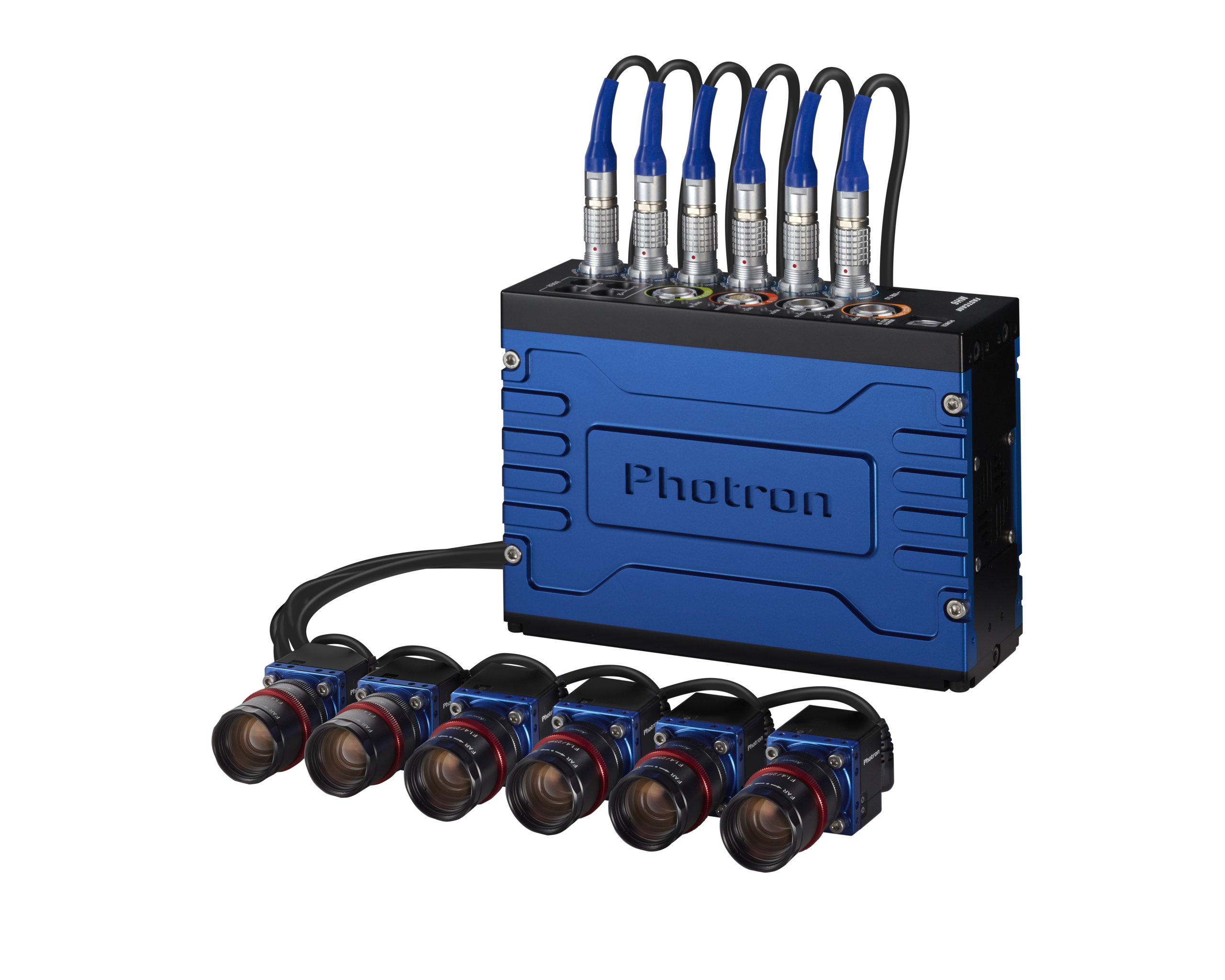
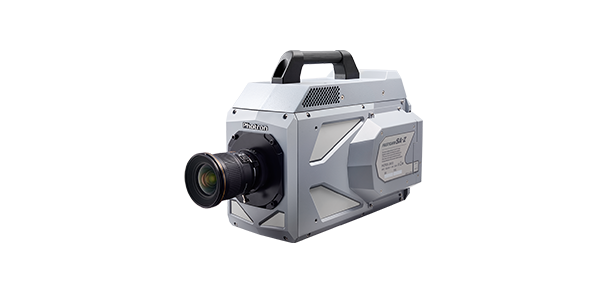
Photron Ultra High Speed Cameras: Photron, a world leader in high-speed imaging systems, offers the FASTCAM series, which redefines performance standards. Models such as the FASTCAM SA-Z can achieve over 2,000,000 frames per second at reduced resolutions and 20,000 fps at a resolution of 1024×1024 pixels. These cameras are ideal for the most demanding applications in research, development and industrial environments.
- Fastec High-Speed Cameras: Fastec is distinguished by its portable and compact format cameras, which include all the professional features for analysis in the field or in the laboratory. Its various series, such as HS, TS, IL and HiSpec, offer everything from long-duration recording systems to handheld models, with resolutions up to 3 megapixels and speeds of up to 250,000 frames per second.
With the support of a highly highly specialized human team and a strong national and international presence, at Álava Ingenieros we not only provide equipment, but we also offer integral solutions and a quality service that drives the progress of our clients..
Our five decades of experience in technology positions us as the trusted partner to take your projects to the next level.
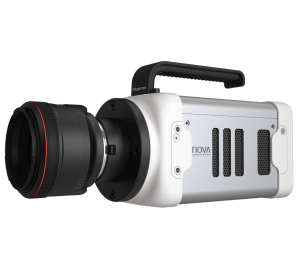
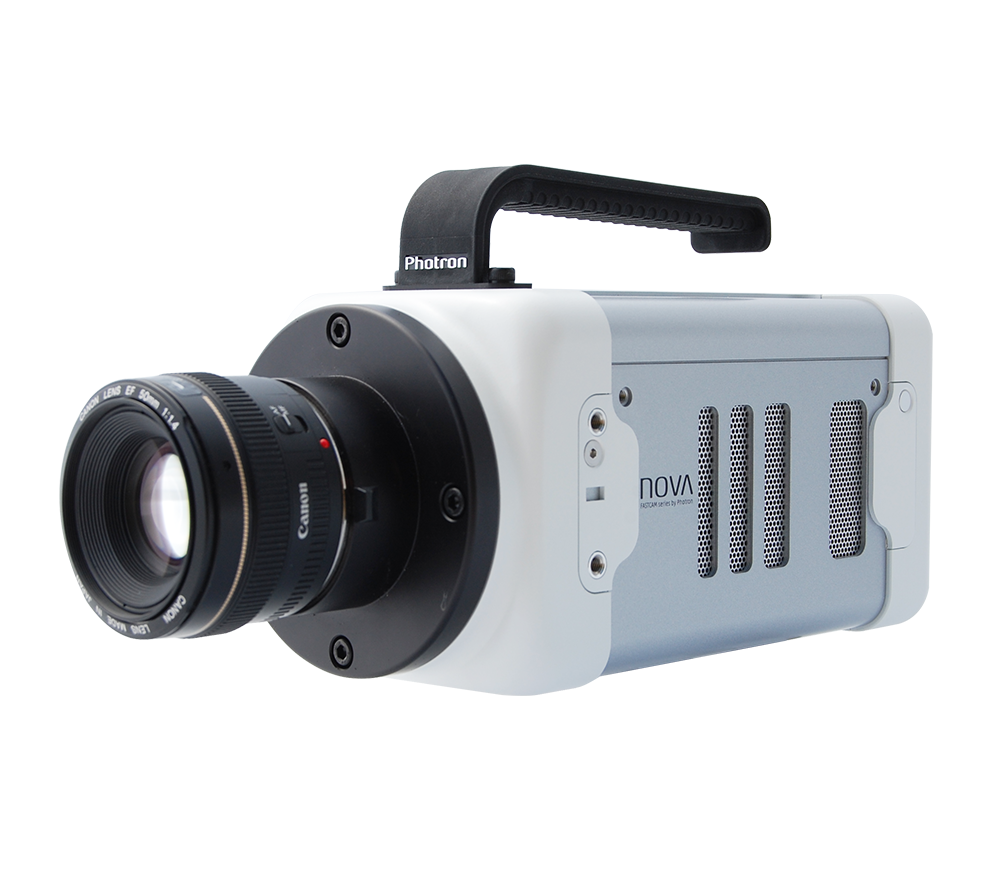
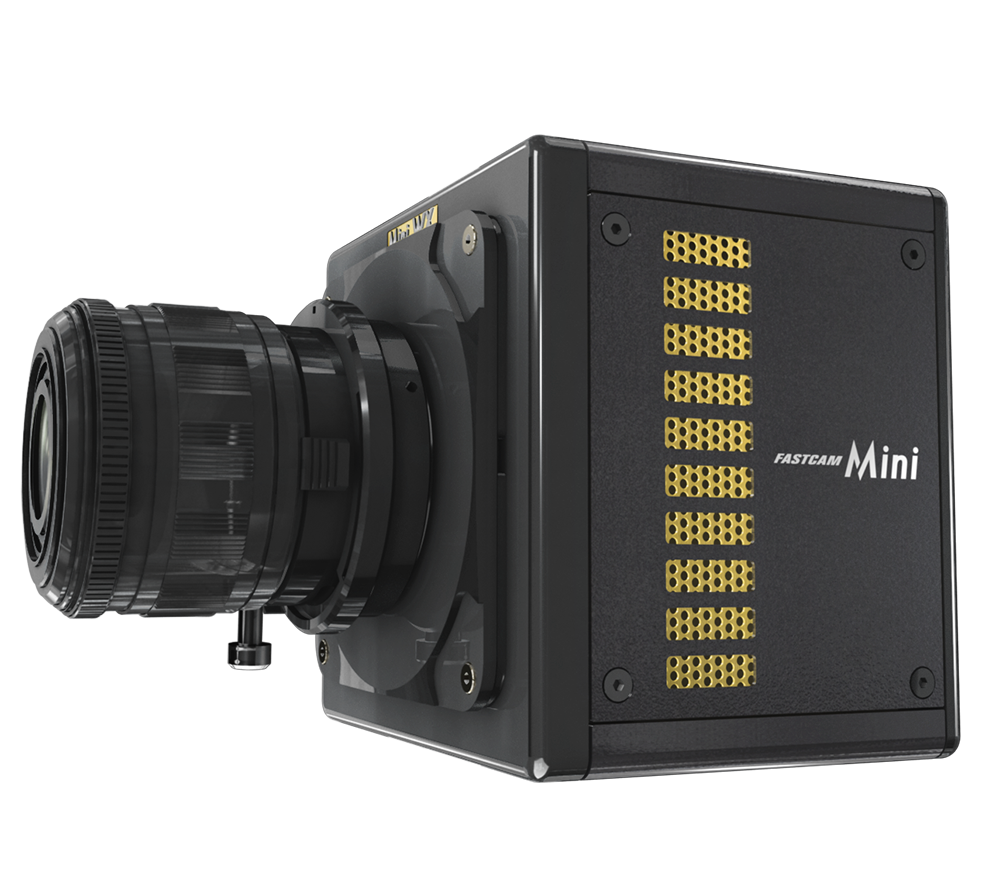
Other products you may be interested in
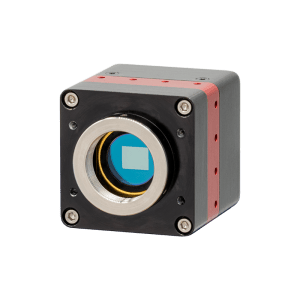
SWIR cameras
Raptor Photonics VIS-SWIR cameras are essential for industrial and scientific applications. With cooled InGaAs sensors, they offer high sensitivity in the VIS-SWIR spectrum (400-1700 nm). Models such as the OWL 1280 SWIR and the OWL MINI 640 SWIR stand out for their precision and compact design, ideal for electroluminescence, night vision, and semiconductor inspection.
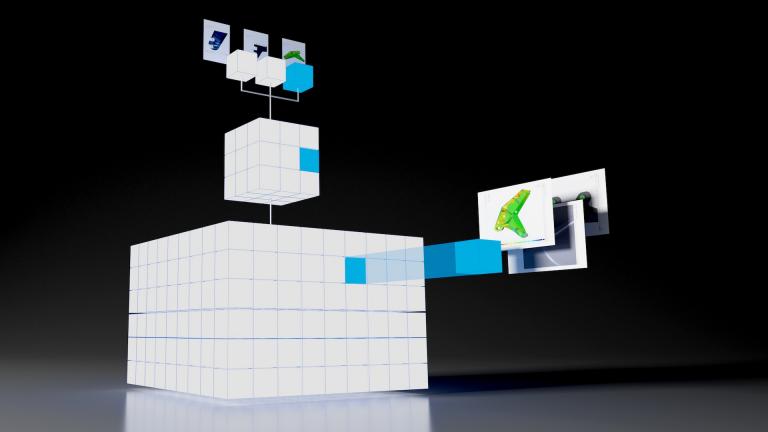
Videocorrelation Systems
At Álava Ingenieros, as leaders in innovation with 50 years of experience, we partner with technological pioneers to offer solutions that mark the future of the industry. For this reason, we offer you the digital video image correlation (DIC) systems developed by GOM, now part of the ZEISS group, the undisputed world leader in optical metrology and quality.
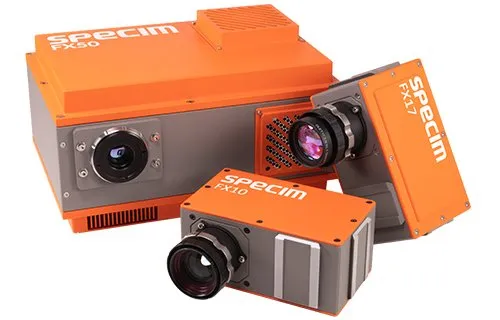
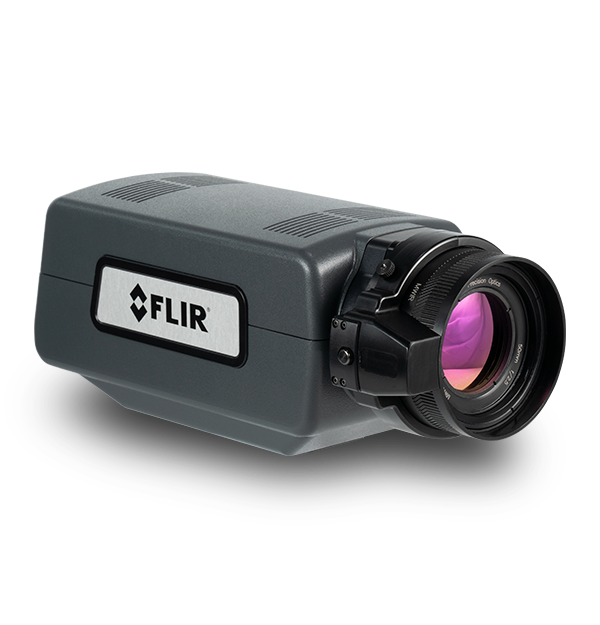
More information about High Speed Systems
High-speed cameras are technological tools designed to capture and analyze phenomena that occur at extremely high speeds, impossible for the human eye to perceive. While a conventional camera records at about 25 to 30 frames per second (fps), high-speed cameras can capture from thousands to more than a million images per second, allowing to “slow down time” and observe every detail of a fast event in playback.
How do they work?
The heart of a high-speed camera is its advanced image sensor, usually of the CMOS (Complementary Metal-Oxide-Semiconductor) type, and a large internal memory capacity.
Operation is based on the following principles:
- High-speed capture: The CMOS sensor is designed to record images at a much higher than standard frame rate.
- Each pixel of the sensor converts light into an electrical signal, which is amplified and digitized almost instantaneously, enabling extremely fast reading speeds.
- Fast storage: The enormous amount of data generated (gigapixels per second) is stored in a high-speed internal RAM. This makes it possible to record even short sequences of ultra-fast events.
- Resolution reduction for speed: Often, to achieve the most extreme frame rates, some image resolution is sacrificed.
By reducing the number of pixels to be read, the camera can dramatically increase the number of frames it captures per second. - Slow motion playback: Once the sequence has been recorded, it is played back at a normal speed (e.g. 30 fps). This creates the effect of “slow motion”, allowing engineers and researchers to analyze the phenomenon frame by frame with absolute precision.
Key applications in industry and research
As leaders in innovation and with 50 years of experience in industrial technology, at Álava Ingenieros we know that the versatility of high-speed cameras makes them an essential tool for multiple sectors. Their capacity to diagnose problems, optimize processes and improve quality is incalculable.
Some of its most outstanding applications are:
- Industry and Maintenance: In production lines (packaging, pharmaceutical, cosmetics), they are used to detect faults, jams or misalignments in machinery operating at high speed, optimizing efficiency and reducing costly downtime.
- Research and Development (R&D): They are crucial for the analysis of impact tests (automotive crash tests), ballistics, explosions, material studies, fluid mechanics and combustion.
- Science and Medicine: They are used in biomechanics to analyze the movement of athletes, in cell biology studies or to visualize ultra-fast chemical and physical reactions.
- Defense and Aerospace: For the study of ballistics, projectile tracking, airbag deployment analysis or the behavior of components under extreme conditions.
At Álava Ingenieros, thanks to our specialization and the distribution of leading brands, we offer solutions adapted to each of these applications, guaranteeing maximum quality and performance to drive our clients’ progress and innovation.
