

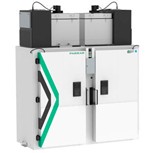

Refrigerators and freezers
ULT freezers are equipment designed to store biological samples, reagents, drugs or sensitive products at extremely low temperatures, typically between -40 °C and -86 °C. They are essential in research laboratories, hospitals, blood banks and the pharmaceutical industry.
Description
ULT freezers are equipment designed to store biological samples, reagents, drugs or sensitive products at extremely low temperatures, typically between -40 °C and -86 °C. They are essential in research laboratories, hospitals, blood banks and the pharmaceutical industry.
Unlike a blast freezer, a blast freezer is equipment designed to rapidly freeze food or products at very low temperatures in a short period of time. This process is known as blast freezing and is essential in the food industry to preserve the quality, texture and safety of products.
Main features
- Temperature range:
– Standard freezers: -20 °C
– Ultra-freezers: -40 °C to -86 °C (some reach -150 °C with liquid nitrogen).
- Refrigeration system:
– Cascade compressors (two stages) to reach ultra-low temperatures.
- Thermal insulation:
– Thick walls with polyurethane foam and airtight joints to prevent cold loss.
- Control and monitoring:
– Digital displays, alarms, temperature recording and connectivity for management systems.
Types of freezers
1. Vertical (upright)
- Increased capacity and shelf organization.
- They take up less floor space.
2. Horizontal (chest)
- Better cold retention when opening the lid.
- Ideal for long-term storage.
3. Liquid nitrogen
- For temperatures below -86 °C (down to -196 °C).
- Used in cryopreservation of cells and tissues.
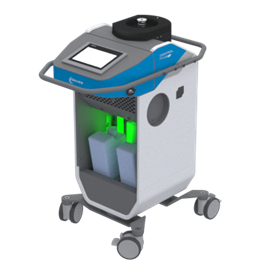
More information about Refrigerators and freezers
Applications
- Conservation of biological samples (DNA, RNA, proteins).
- Storage of vaccines and sensitive medications.
- Preservation of cells and tissues for research or therapy.
Critical issues
- Energy consumption: They are high consumption equipment, so efficiency is sought.
- Maintenance: Filter cleaning, compressor control and sensor calibration.
- Safety: Alarms for power failure, prolonged opening or temperature out of range.
How does a blast freezer work?
- It uses very cold air streams (between -30 °C and -40 °C) circulating at high speed around the product.
- The objective is to reduce the food temperature from +90 °C to -18 °C in less than 4 hours.
- This rapid cooling prevents the formation of large ice crystals, which maintains the cellular structure of the food.
Advantages of blast freezing
- Quality preservation: Maintains flavor, texture and nutrients.
- Food safety: Reduces the risk of bacterial proliferation.
- Longer shelf life: Allows prolonged storage without significant loss of properties.
