


Avionics testers
Aeroprobe offers advanced solutions for measuring aerodynamic data on UAVs and manned aircraft.
Its Pitot-static probes, multifunction probes and Air Data Computers provide accurate information on speed, angle of attack, slip angle, pressure and altitude, essential for flight control, navigation and real-time aerodynamic analysis.
Description
From linear to rotary actuators
- Compact and lightweight design: Ideal for UAVs, missiles and systems where space and weight are critical.
- High power density: Brushless motors and gearboxes optimized to deliver power and speed in a small form factor.
- Precise control and redundancy: Integrated sensors and dual channel options for critical applications.
- Versatile interfaces: Support for PWM, CAN, RS-485 protocols and more.
- Rugged construction: MIL-STD certifications and resistance to vibration, humidity and extreme temperatures.
Other products you may be interested in
Processing cards
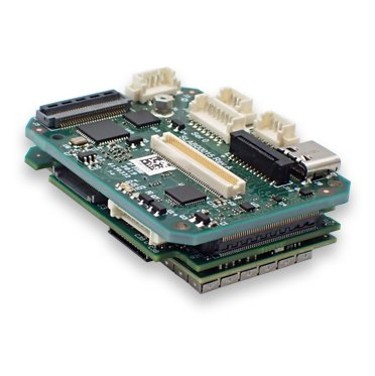
Imaging applications in onboard systems are increasingly critical in environments such as ISR (Intelligence, Surveillance and Reconnaisance), infrastructure inspection, precision agriculture, fire prevention, perimeter security or border control. Onboard image processing boards play a key role in obtaining the necessary results in visible, thermal or multi/hyperspectral range onboard cameras.
Pitot probes, multifunction and Air data computers
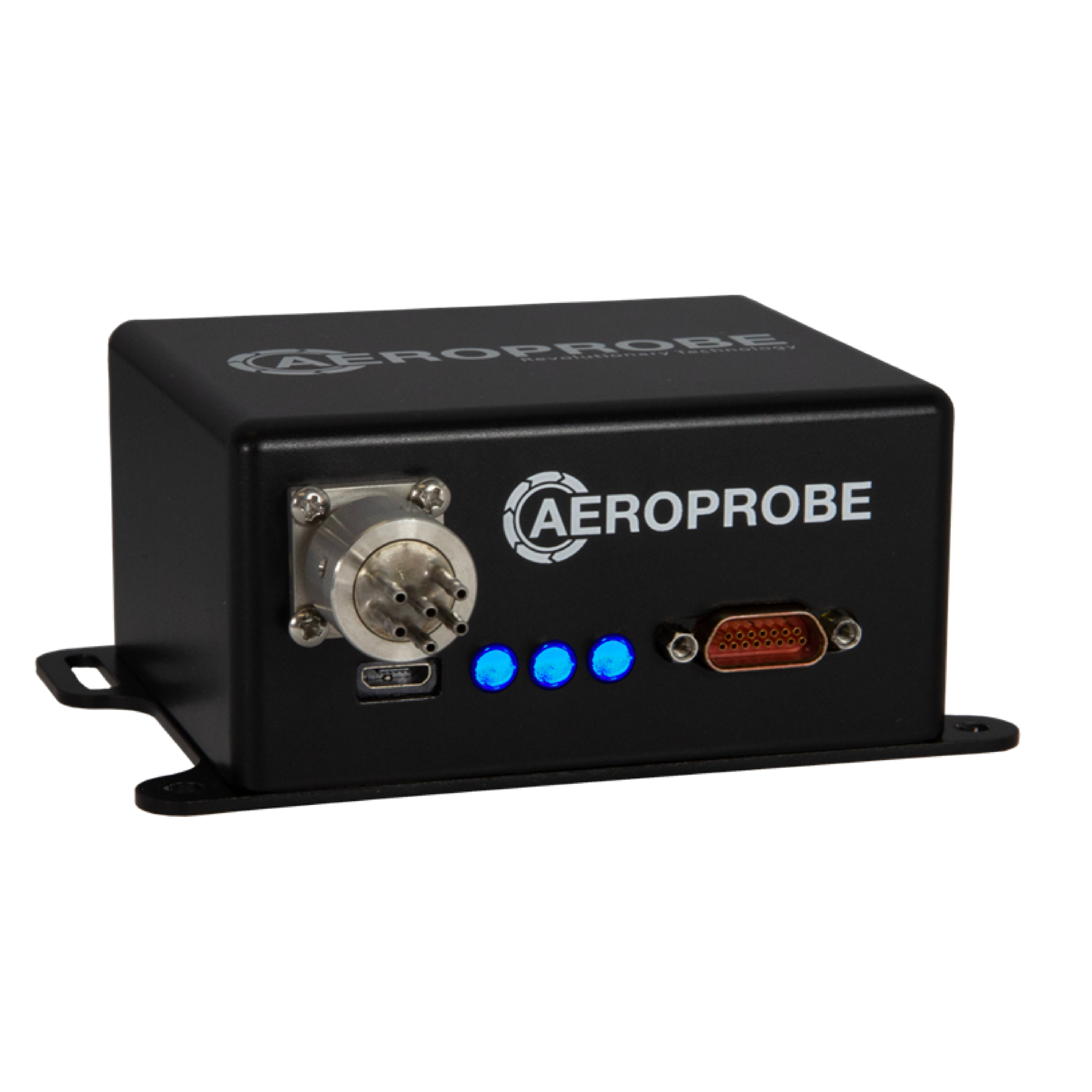
Aeroprobe offers advanced solutions for measuring aerodynamic data on UAVs and manned aircraft. Its Pitot-static probes, multifunction probes and Air Data Computers provide accurate information on speed, angle of attack, slip angle, pressure and altitude, essential for flight control, navigation and real-time aerodynamic analysis.
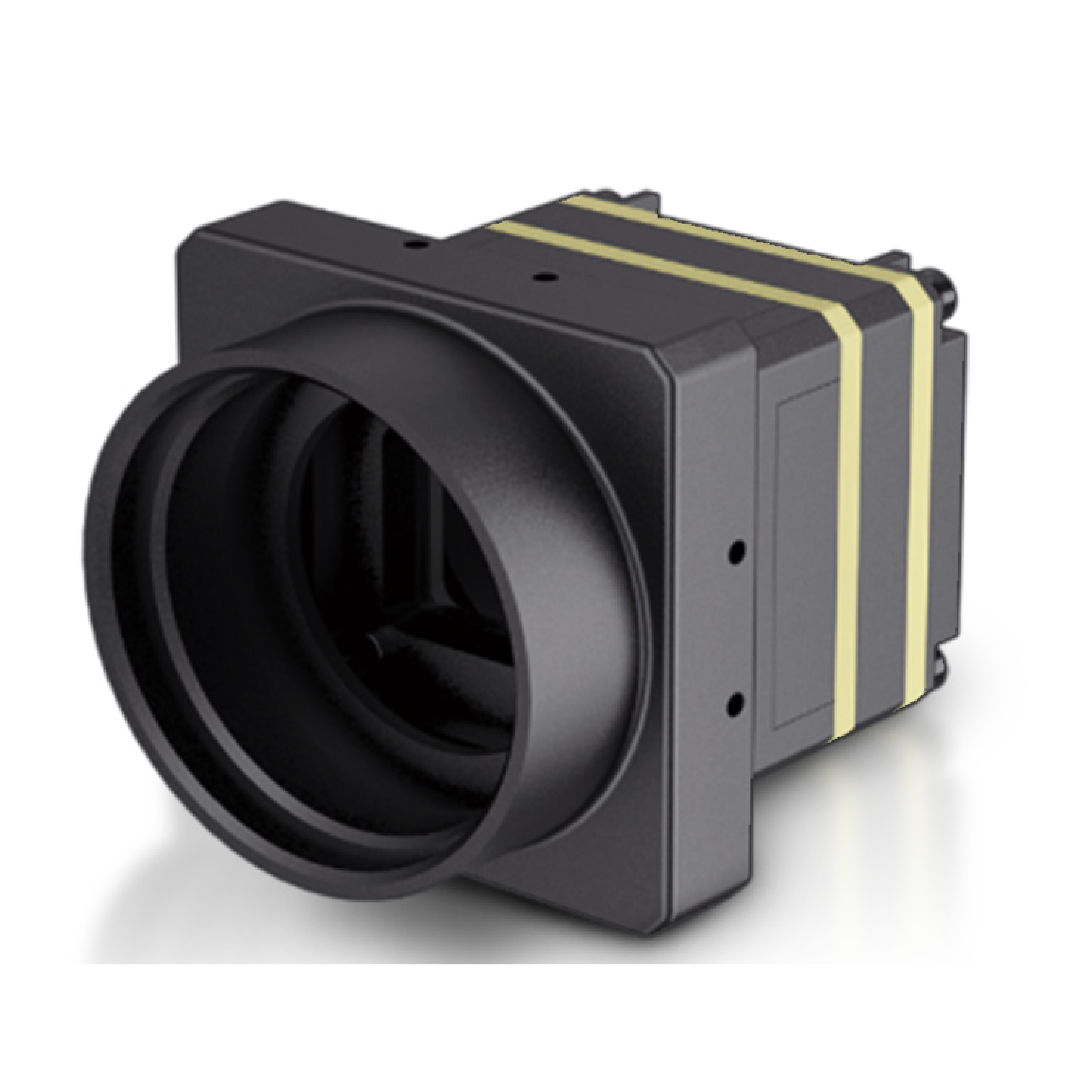
IR modules
HIKMICRO's thermal modules offer advanced solutions for security, observation and temperature measurement from UAVs. With 12 μm VOx sensors, resolutions up to 1280×1024 and ultra-compact formats from 20 grams, they allow integrating high-precision thermal vision in lightweight aerial platforms, adapting to demanding environments and critical applications.
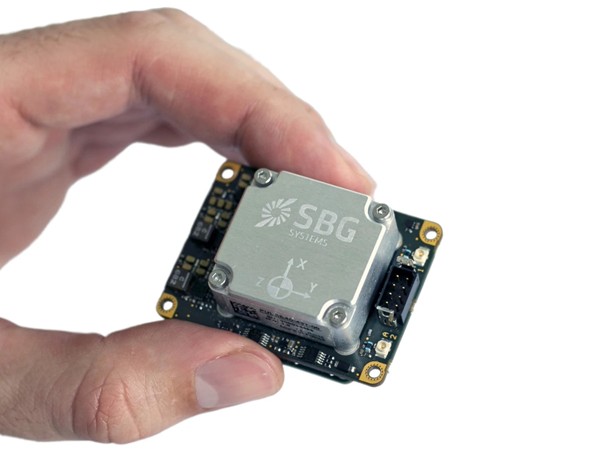
Inertial systems
Imaging applications in onboard systems are increasingly critical in environments such as ISR (Intelligence, Surveillance and Reconnaisance), infrastructure inspection, precision agriculture, fire prevention, perimeter security or border control. Onboard image processing boards play a key role in obtaining the necessary results in visible, thermal or multi/hyperspectral range onboard cameras.
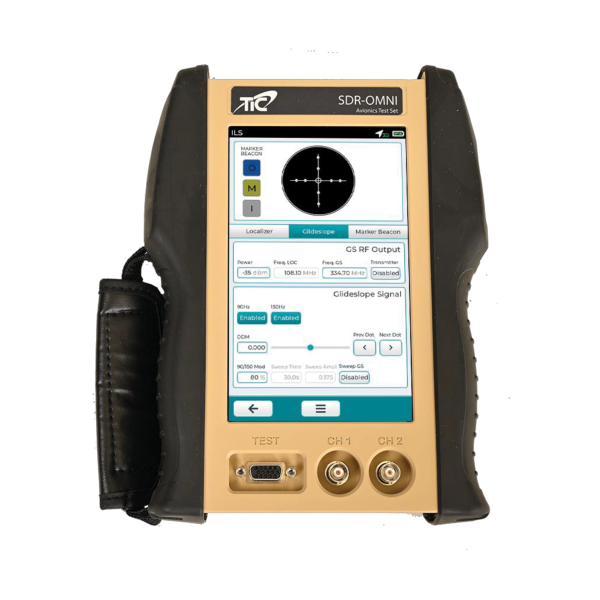
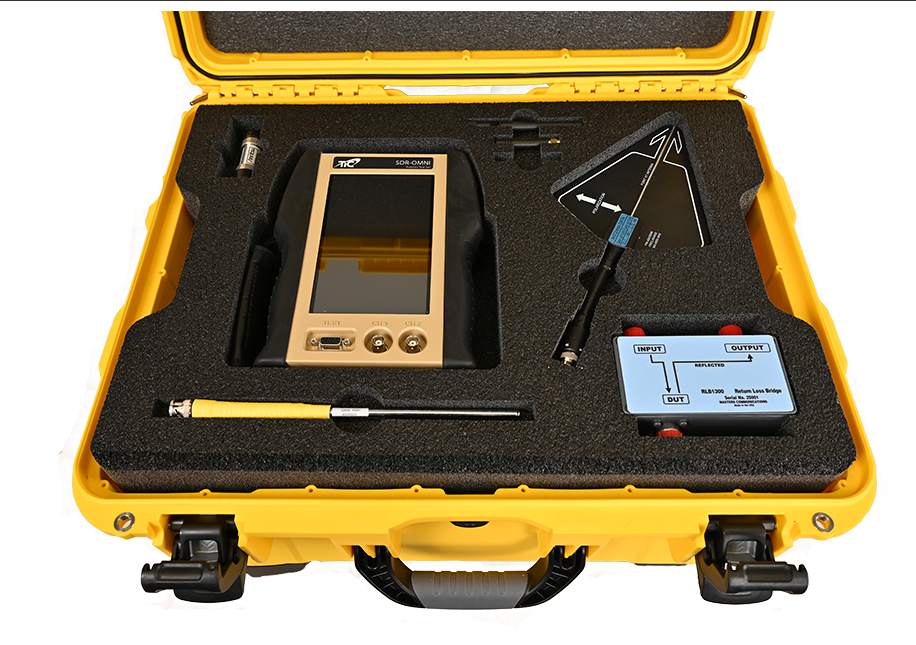
More information about Avionics testers
UAVs (unmanned aerial vehicles) require avionics instrumentation similar to that of manned aircraft to ensure safe and efficient operation. Here are some of the key pieces of equipment:
- Transponders: UAVs use transponders to communicate with air traffic control and other surveillance systems. These devices allow identification and tracking of the aircraft, similar to manned aircraft.
- Navigation systems: These include GPS and inertial navigation systems (INS) to determine the position and orientation of the UAV. These systems are essential for autonomous navigation and precise flight control.
- Altimeters: UAVs use altimeters, both barometric and radio altimeters, to measure altitude over the ground. This is crucial to maintain proper altitude during flight and avoid collisions.
- TCAS (Traffic Collision Avoidance System): Although not all UAVs are equipped with TCAS, those operating in congested airspace can use this system to avoid collisions with other aircraft.
- TACAN (Tactical Air Navigation): Used mainly in military applications, TACAN provides precise navigation information, similar to VOR systems used in civil aviation.
- Interrogators: UAVs can be equipped with interrogators to interface with other transponders and identification systems, facilitating air traffic management and coordination in joint operations.
In addition to these systems, UAVs may also include other equipment such as:
- Flight data sensors: Include Pitot-static probes, angle of attack (AoA) sensors and slip sensors to measure critical flight parameters.
- Communication systems: Radio communication links between the ground control station and the UAV, essential for transferring information and commands.
- Sensors and cameras: Equipped with infrared sensors, high-resolution cameras and LiDAR systems for visual and thermal inspections.
These systems allow UAVs to perform complex missions and maintain a safe and efficient operation, similar to manned aircraft. The review and calibration of these systems is performed from the ground, using specialized control stations and test equipment.
Need for and benefits of avionics testers
- Accuracy in testing: Avionics testers provide accurate and reliable measurements essential for diagnosing and maintaining aircraft electronic systems. This ensures that systems function properly and helps identify and correct problems before they become critical failures.
- Operational safety: Ensuring that avionics systems operate without failure is crucial to the safety of the aircraft and its occupants. Avionics testers help maintain the integrity of these systems, which contributes to overall flight safety. In the case of UAVs, operational safety is ensured by remote monitoring and real-time anomaly detection.
- Regulatory compliance: Civil aviation authorities impose strict regulations that must be complied with. Avionics testers ensure that aircraft electronic systems comply with these regulations, avoiding penalties and ensuring compliance. UAVs must also comply with specific regulations, and testers help verify that all systems are in compliance.
- Cost reduction: TEL Instruments has led the way in integrating multiple test functions into a single unit, which reduces acquisition, training and lifecycle support costs. This is especially beneficial for commercial and military customers seeking efficiency and savings. UAVs, when monitored from the ground, also reduce operational costs and risks associated with manual inspections.
- Reliability and durability: Designed to be rugged and reliable, TEL Instruments testers are suitable for use in demanding conditions Their durability ensures consistent performance over time, which is vital for continuous operations.
- Ease of use: TEL Instruments focuses on creating units that are easy to use, making them easy to operate in the field. This includes intuitive interfaces and ergonomic designs that enhance the user experience and operational efficiency.
Types of avionics and UAV testers
Avionics testers are divided into several types, each designed to evaluate different systems:
- Radio altimeter testers: Verify the accuracy of the radio altimeters, which measure the altitude of the aircraft on the ground.
- Communication testers: Used to test and calibrate VHF and HF communication systems, ensuring clear and reliable transmission between aircraft and control towers.
- Navigation testers: They evaluate navigation systems such as VOR (VHF Omnidirectional Range) and ILS (Instrument Landing System), ensuring navigation accuracy during flight.
- Transponder testers: Verify the operation of transponders, which are essential for the identification and tracking of aircraft by air traffic control.
For UAVs, ground control systems include:
- Communication systems: Radio communication links between the ground control station and the UAV, essential for transferring information and commands.
- Sensors and cameras: Equipped with infrared sensors, high-resolution cameras and LiDAR systems for visual and thermal inspections.
- Analysis Software: Advanced analysis tools that process data in real time, allowing anomaly detection and damage assessment.
