
Description
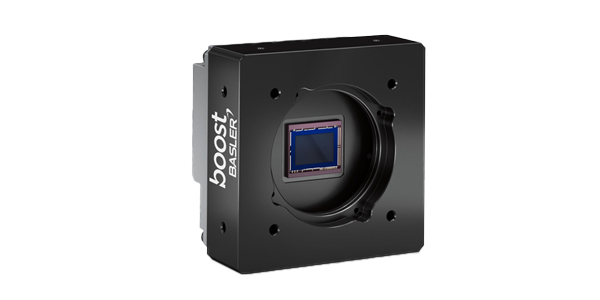
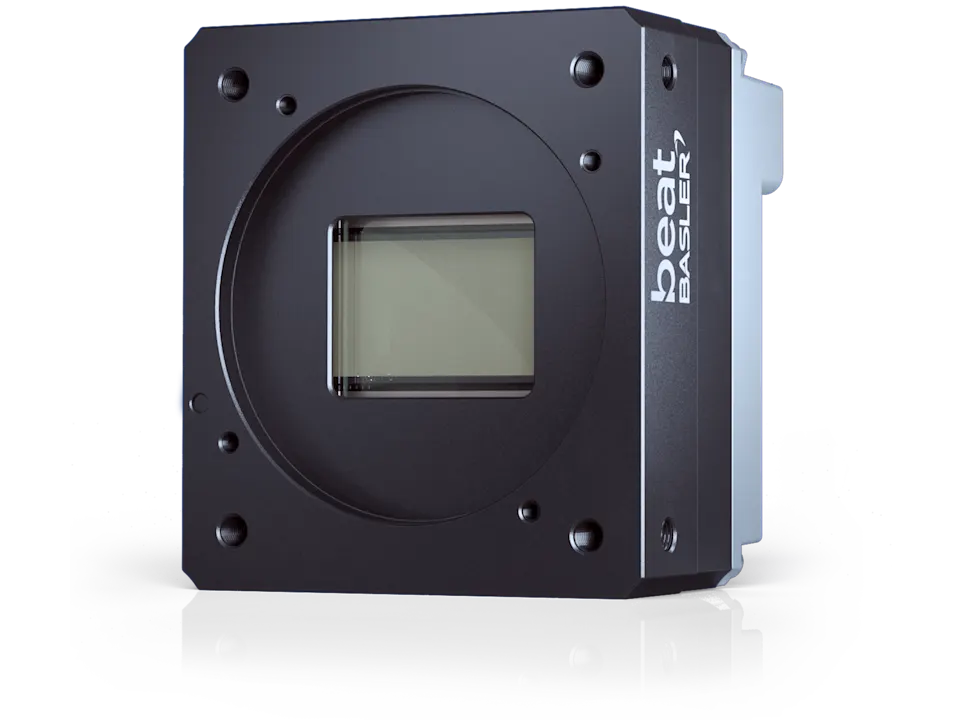
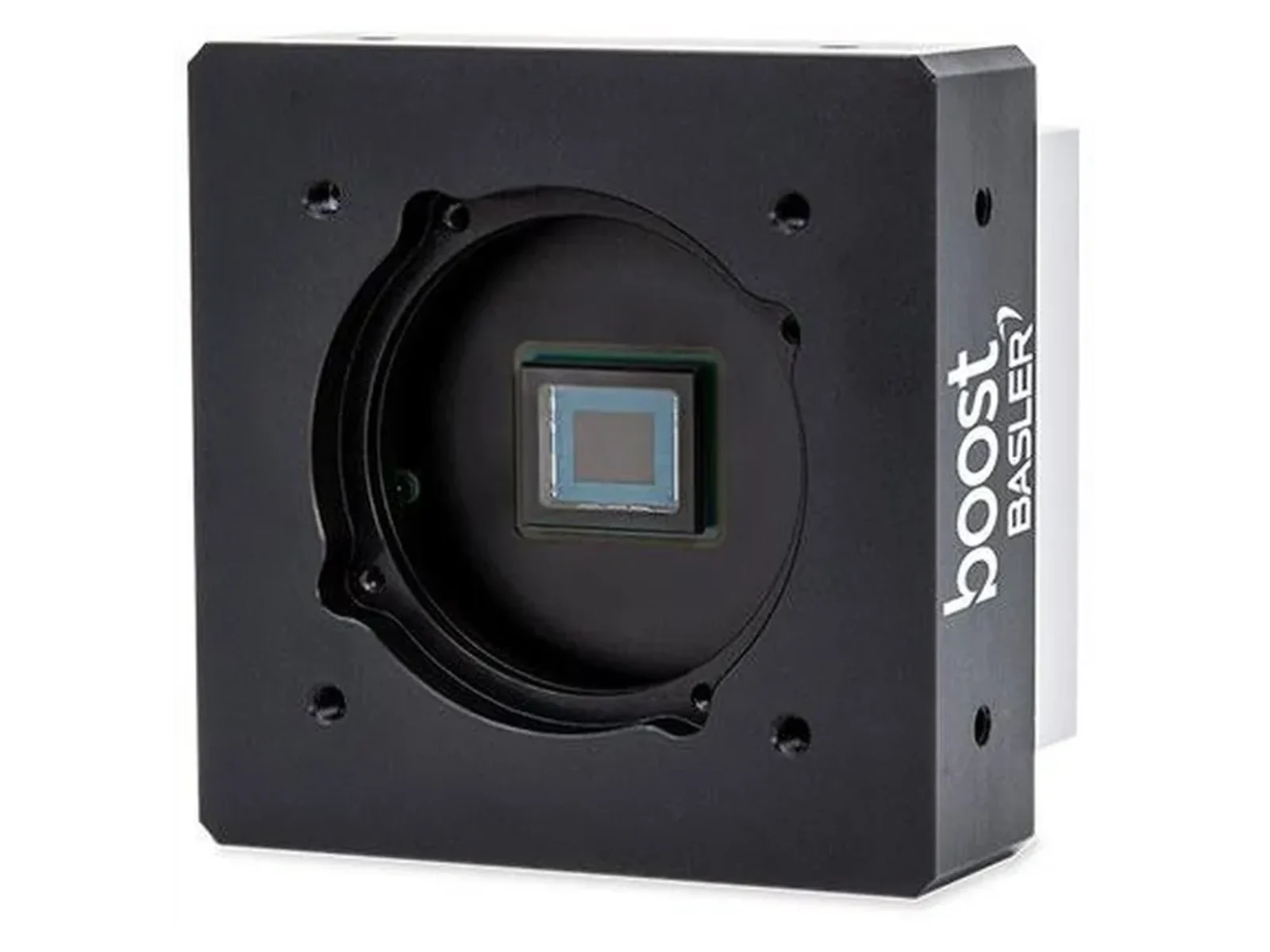
The boost series combines CMOS sensor technology with high bandwidth and all the advantages of the CoaXPress 2.0 standard, offering excellent image quality at high data rates.
They are ideal for applications that require high data rates, high resolutions and where camera image data must cover longer distances, for example: solar and semiconductor industry, battery cell production, chip inspection, sports analysis, medical technology and high-speed microscopy, intelligent transportation systems (ITS), among others.
The CoaXPress 2.0 standard offers a very attractive, simple and, above all, reliable alternative to applications previously implemented with options such as Camera Link or CoaXPress 1.1.
It is a device with a simpler hardware configuration, significant economic advantages and higher performance of its image processing system.
Features
-
Six camera models with the latest Gpixel sensors (GSPRINT4521, GMAX0505, GMAX3265), monochrome and color options, and four channels (4 x CXP-12) for high-performance applications.
-
A set of special computer vision functions, including: flat field correction, shot geometry classification, color characteristics and dual ROI.
- Especially suitable for 3D AOI/SPI applications, with the GSPRINT4521 sensor replacing the CMV12000 sensor.
- Designed for demanding applications such as: inspection of flat panel displays, wafers, solar modules and battery cells.
- Equipped with a suitable cooling solution and compatible with GenTL.
- Separate pins for power, trigger and external cooling, all with matching cables.
- Matching cables: Basler Standard cables (up to 30 meters), Premium cables suitable for drag chains, USB 2.0 cable for firmware updates, pigtail cable for signal control and power cable.
- Compatible with Basler C- and F-mount lenses (C- and F-mount adapters pre-installed in each box).
- 4-channel CXP-12 interface card available for integration with Pylon software for plug-and-play performance.
-
Particularly small format: 65 x 65 x 73 mm.
-
21, 25 and 65 MP resolutions with frame rates up to 230 fps (2 times the resolution or frame rate compared to boost R), resulting in even better detection of the smallest defects or objects.