Share:

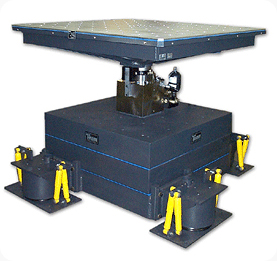
Mechanical vibration equipment


Performing vibration tests in a laboratory provides us with information on how our product behaves under vibration, allowing us to anticipate possible problems.

Description

All products are subjected to vibration at some point since their manufacture (some even during) either during their transportation or during their application, as may be the case of all products that are at some point shipped in automobiles, ships, airplanes, satilletes, etc.

Performing vibration tests in a laboratory provides us with information on how our product behaves under vibration, allowing us to anticipate possible problems.

The purpose ofvibration testing and simulation systems is therefore to emulate, under controlled laboratory conditions, vibration stresses on elements that are typified and standardized, in order to characterize them in their different stages.

In order to characterize the different vibration environments, the following main types of tests are established:

  • Fixed frequency, swept or resonant sine vibration
  • Random vibration (random)
  • Classical shock test (semi-sine, trapezoidal, sawtooth) and SRS
  • Combined vibration
  • Simultaneous multiaxial vibration
  • Sequential multiaxial vibration

Álava Ingenieros has been supplying and maintaining equipment for the performance of all types of vibration tests in the most important laboratories and companies for more than 30 years. We also provide training in the use of vibration test equipment, interpretation of test standards, consultancy and other services related to vibration tests.

  • Uniaxial vibration systems (electrodynamic and electrohydraulic)
  • Sliding table systems
  • Independent sliding tables
  • Vibration test servo controllers
  • Multiaxial vibration systems.
  • Mechanical vibration systems.

Do not hesitate to consult our experts for the vibration system best suited to your needs and budget.
Other products you may be interested in

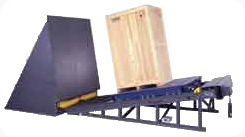
  • Horizontal impact testing of packaging simulates in the laboratory the impacts suffered by the packaging during transport.
    Inclined impact equipment

      Horizontal impact testing of packaging simulates in the laboratory the impacts suffered by the packaging during transport.

  • The Box Compression Test (BCT) evaluates the stacking strength of boxes and is one of the most common tests on packaging.
    Compression tests

      The Box Compression Test (BCT) evaluates the stacking strength of boxes and is one of the most common tests on packaging.

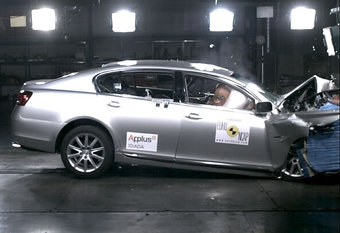
  • Crash tests of vehicles against fixed objects make it possible to reproduce the behavior of the vehicle in a wide range of configurations both in the direction of impact, in the occupancy level of the vehicles and in the objects against which the vehicle collides.
    Shock equipment

    Crash tests of vehicles against fixed objects make it possible to reproduce the behavior of the vehicle in a wide range of configurations both in the direction of impact, in the occupancy level of the vehicles and in the objects against which the vehicle collides.

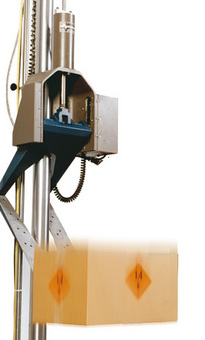
  • The equipment for free fall tests guarantees the impact against the ground on the different faces, edges and corners of the packaged product with an accuracy of up to 2° in free fall from 184 cm (can be increased on request).
    Drop tests

    The equipment for free fall tests guarantees the impact against the ground on the different faces, edges and corners of the packaged product with an accuracy of up to 2° in free fall from 184 cm (can be increased on request).