

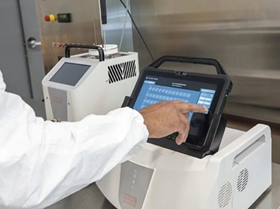

Description
Thermal validation in the pharmaceutical industry is a critical process that ensures that temperature-sensitive products – such as drugs, vaccines and biotech products – are manufactured, stored and transported under controlled and reproducible thermal conditions.
Thermal validation measures and verifies the temperature distribution within a specific environment, such as sterilizers, autoclaves or controlled chambers, to confirm that the system consistently reaches and maintains the required temperature for the specified time. This process ensures uniform thermal conditions, maintains product integrity and complies with regulatory standards.
By documenting system performance, thermal validation demonstrates reliability, reproducibility and consistent operation, making it a critical component of quality control in pharmaceutical, biotech and laboratory operations.
At Alava Ingenieros, we provide you with both wired and wireless thermal validation systems as well as all the tools to help you and accompany you in all your needs (advice, training, IQOQ validation, PQ validation, remote assistance, technical support, etc).
Our technology partner, Kaye Instruments, offers a suite of products designed for accurate thermal validation, combining wired and wireless technology with essential accessories and reporting tools.
Common applications
- Steam sterilizers (autoclaves)
- Dry heat sterilizers
- Steam in Place (SIP)
- Water cascade / fall sterilizers
- Incubators
- Stability chambers
- Freezers
- Freeze dryer / lyophilization
Other products you may be interested in
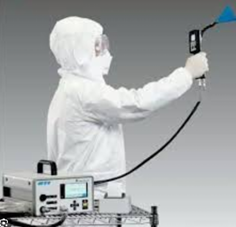
Filter validation
The filter leakage test (filter leak testing) is a critical technique in the validation and maintenance of clean roomsespecially in environments where air purity is essential, such as in the pharmaceutical industry, hospitals, biosafety laboratories and semiconductor manufacturing.
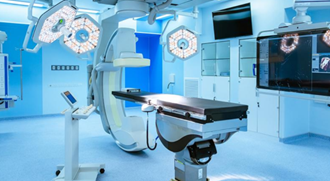
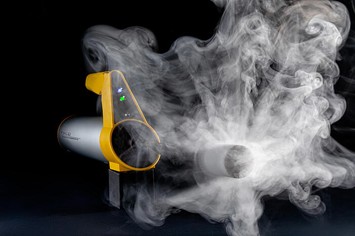
More information about Thermal validation
Why is thermal validation important?
- Regulatory compliance: demonstrates compliance with applicable regulations, good manufacturing practices and relevant standards, and provides evidence for regulatory submissions and inspections.
- Reliable performance and product launch: demonstrates that the process is reproducible and supports sound launch decisions.
- Quality assurance and product integrity: guarantees microbiological safety while protecting the material, functional and stability properties throughout the product life cycle.
- Risk mitigation: reduces the likelihood of recalls, deviations, adverse events and costly corrective actions.
- Audit readiness and data integrity: creates traceable and well-documented records (including raw data and metadata) required for audits and inspections.
- Life cycle control: defines change control triggers, revalidation criteria and periodic requalification to maintain long-term compliance.
- Business and reputation protection: helps avoid financial losses and preserves customer and stakeholder confidence.
