


Modal analysis, bridges and viaducts
Operational modal analysis (OMA) is a non-invasive technique used for monitoring bridges in operation.
Based on the natural vibrations of the structure, OMA allows the identification of natural frequencies, vibration modes and damping factors without interrupting traffic.
Description
Operational modal analysis (OMA) is a non-invasive technique used for monitoring bridges in operation. Based on the natural vibrations of the structure, OMA allows the identification of natural frequencies, vibration modes and damping factors without interrupting traffic.
The solutions provided by Álava Ingenieros allow this analysis to be carried out accurately and in real time. Among the benefits of OMA are the early detection of failures, the optimization of maintenance, and the possibility of continuous monitoring. It is essential to ensure structural safety and extend the service life of bridges. We offer the most advanced technologies and software to perform this work in the simplest and most efficient way.
Operational modal analysis (OMA) is a fundamental tool in the evaluation and monitoring of bridges. This technique is based on the observation of the natural vibrations that the structure undergoes during its normal operation, without the need to apply external forces, which makes it an efficient and non-invasive method to evaluate the structural health of bridges.
The OMA uses environmental vibrations generated by factors such as wind or small seismic movements to identify the dynamic properties of bridges, such as natural frequencies, vibration modes and damping factors. This information is crucial for assessing the condition of the structure and detecting possible damage or degradation that could affect its safety and long-term performance.
Benefits of OMA in bridge analysis
- Non-invasive: By not requiring the application of external forces, OMA can be performed during normal bridge operation without disrupting traffic or causing damage to the structure.
- Real-time monitoring: OMA’s tools allow continuous monitoring of the structural health of the bridge, detecting changes in its dynamic properties immediately.
- Early detection of problems: Modal analysis makes it possible to identify deterioration or failures at an early stage, which helps prevent major problems and reduce repair costs.
- Maintenance optimization: The data provided by the OMA allows to plan bridge maintenance more efficiently, intervening only when necessary.
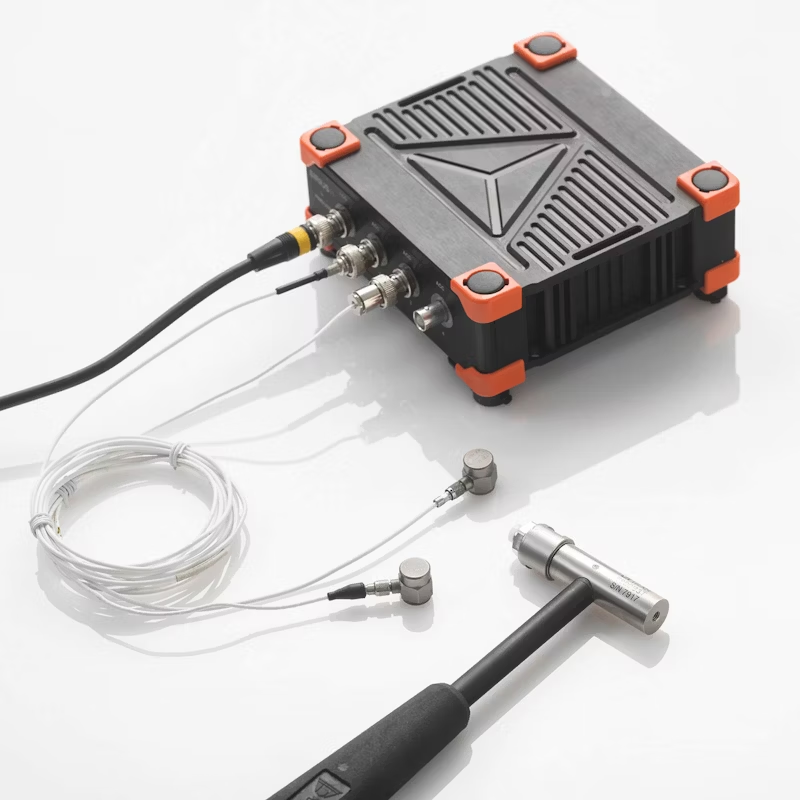
Other products you may be interested in
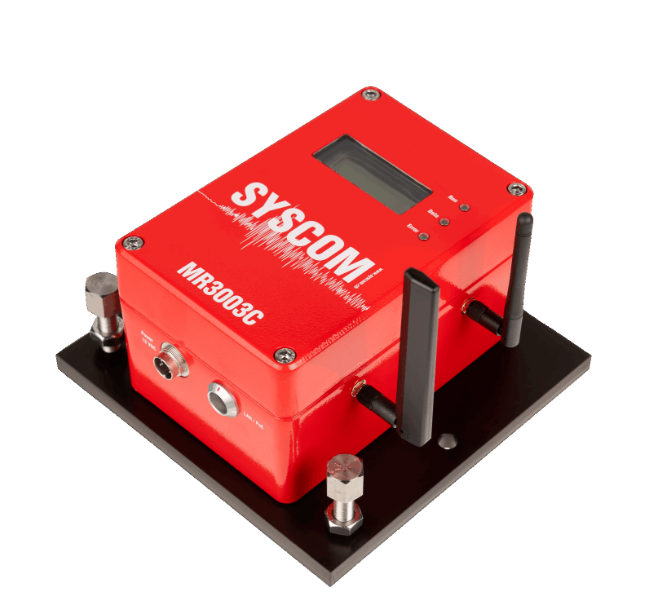
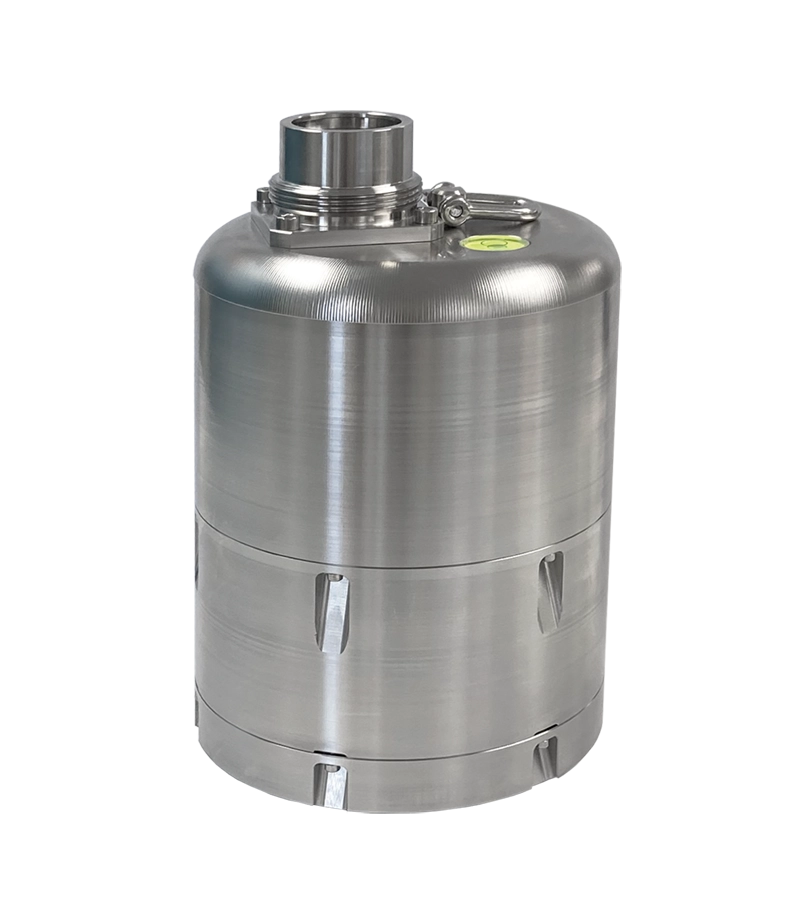
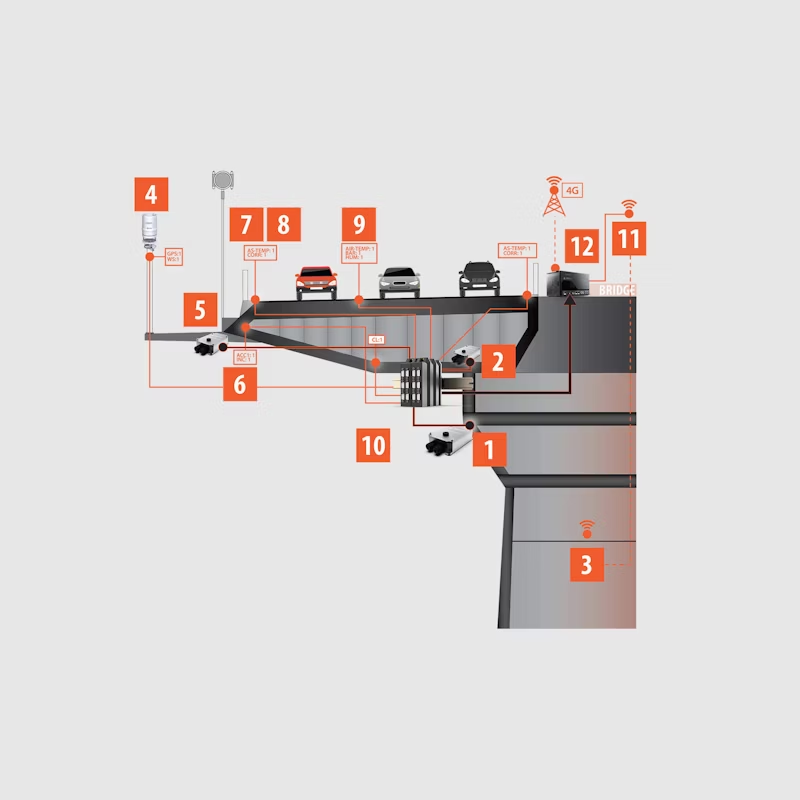
More information about Modal analysis, bridges and viaducts
OMA applications in bridges
- OMA solutions have very diverse applications in bridge analysis. Some of the most common include:
- Monitoring of bridges in operation: The OMA allows the dynamic behavior of bridges in use to be evaluated, which is key to detecting changes that could compromise their structural integrity.
- Post-earthquake assessment: After seismic events, the OMA can be used to assess possible damage to the structure without the need to stop the use of the bridge.
- Inspection of new bridges: During the construction of a bridge, the OMA is useful to verify that the dynamic properties are within the expected parameters. Establishment of a behavioral “card” of the structure at the beginning, as a basis for successive comparisons.
- Predictive maintenance: The OMA facilitates the creation of predictive maintenance plans based on accurate bridge condition data.
Tools Álava Group
Monitoring solutions can be very diverse:
- Distributed wired accelerometry solutions with integrated and communicated acquisition system powered by ECAT.
- Artemis Software
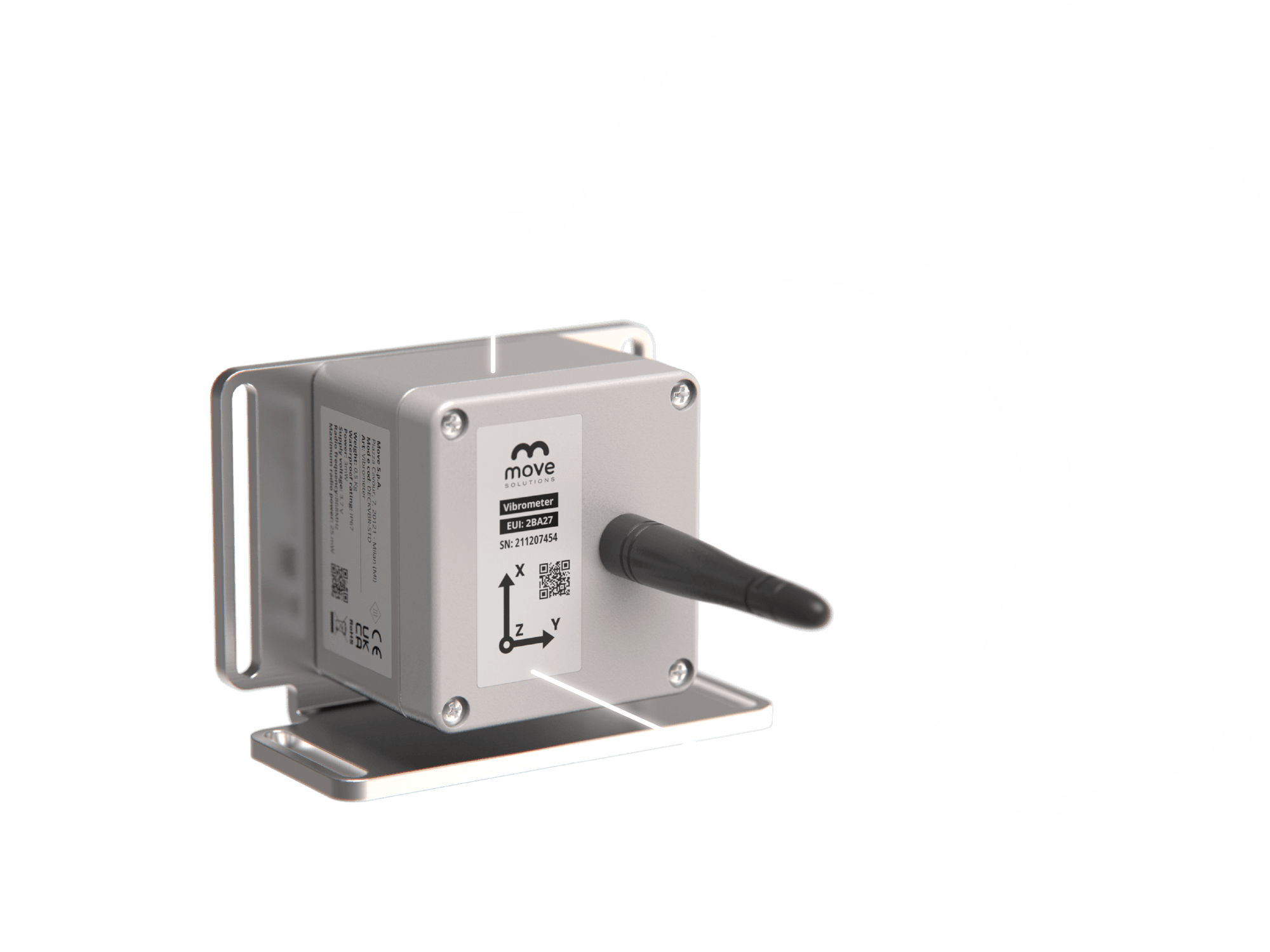
- Wireless solutions for short-term (trial) and long-term monitoring.
In summary, operational modal analysis (OMA) is an indispensable tool for ensuring the safety and integrity of bridges, enabling early detection of problems and optimization of maintenance. The advanced solutions presented by Álava Ingenieros provide an accurate and reliable assessment, helping specialists to make informed decisions that improve the durability of structures.
