


Share:

Tribological tests


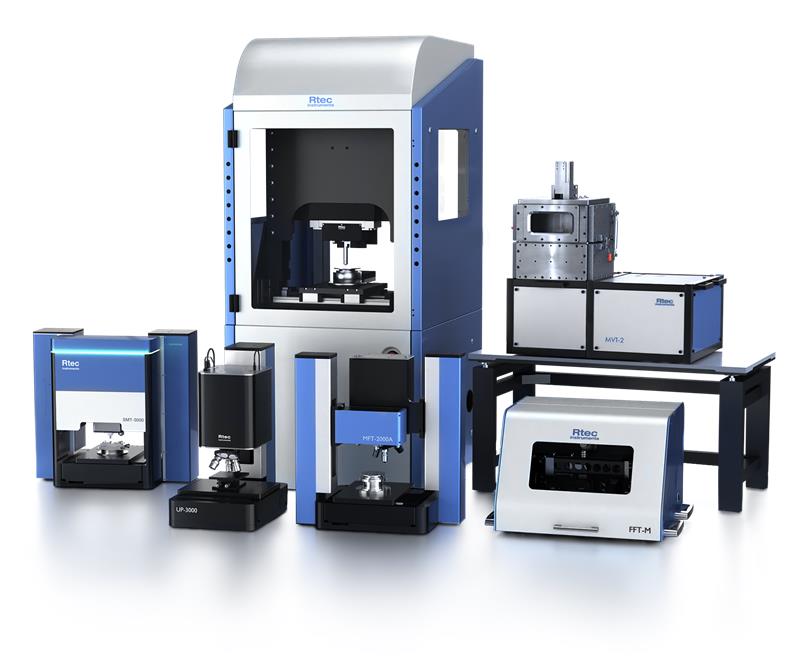
Tribological tests are vital to study friction, wear and lubricity between surfaces and lubricants. Álava Ingenieros, in collaboration with RTEC Instruments, offers a complete range of advanced tribological testing equipment and services. These tests optimize the performance and durability of components in industries such as automotive, aerospace and renewable energies. Benefits include reduced maintenance costs and improved efficiency.

Description

In the competitive world of engineering and manufacturing, tribological tests are essential to study friction, wear and lubrication between surfaces in relative motion. Álava Ingenieros stands out for offering a wide range of tribological testing equipment, collaborating with RTEC Instruments to provide advanced solutions in the characterization of materials.


Wide Range of Tribological Tests

Álava Ingenieros offers a complete range of tribological tests that include wear tests, friction analysis and evaluation of lubricant properties, as well as surface roughness analysis. Using state-of-the-art technology and innovative methodologies, our services guarantee accurate and reliable results that meet the most demanding international standards.


Specialized Tribology Equipment
We provide an extensive selection of equipment to accurately reproduce friction, wear, scoring and lubrication properties. From multifunctional tribometers to specialized systems for bearing fretting and fatigue testing, our technology covers all tribological needs from academic research to intensive industrial applications.


Tribology equipment highlights
– Fretting Tester: high performance equipment for fretting, HFRR and SRV tests.
– Multifunctional tribometer: versatile MFT series tribometers for multiple measurements on the same platform.
– Special tribometers: optimized to operate under specific conditions such as high pressure or vacuum.
– 3D Scratch Tester: platform for scratch, adhesion and hardness testing at nano, micro and macro scales.
– 3D Universal Profilometer: universal optical profilometer for detailed 3D surface profiles.


Tribological test methods
We use various tribological test methods to evaluate the tribological properties of materials:
– Friction and wear tests
– Lubricity evaluation
– Bearing fatigue tests
– Scratch and hardness testing
– Tribo-electrical testing


Benefits of Tribological Tests
– Reduced maintenance cost: Understanding the interaction of surfaces enables the design of more wear-resistant components.
– Improved production efficiency: Identification of effective lubricants that minimize friction and heat.
– Increased product durability: Optimization of materials and surface treatments.


Some applications of Tribological tests
Tribological testing is essential in many fields:
– Automotive: improving the performance and efficiency of engines and transmissions.
– Wind energy: turbine lubrication optimization.
– Sports equipment: guarantee of endurance in extreme conditions.
– Biomedicine: reduction of friction in prostheses

Documents

Testing Lubricants, Fuels, Greases and Metelworking Fluids

3D Universal Optical Microscopes

Fretting Tester

Multi Function Tribometer - MFT-5000

Nanoindentation Tester - SMT-2000

Other products you may be interested in
  • Characterization of nanoparticles

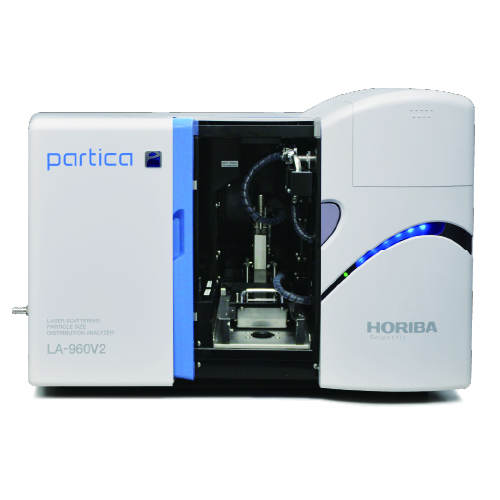
    Latest technologies for particle characterization from Horiba Scientific. Through techniques such as laser diffraction or dynamic light scattering (DLS), Horiba's equipment allows the identification of particle size and shape, as well as molecular weight and zeta potential. This improves product quality, optimizes processes and ensures regulatory compliance, guaranteeing accuracy and efficiency in numerous industries, such as pharmaceuticals, food and materials.
  • Mechanical testing of materials

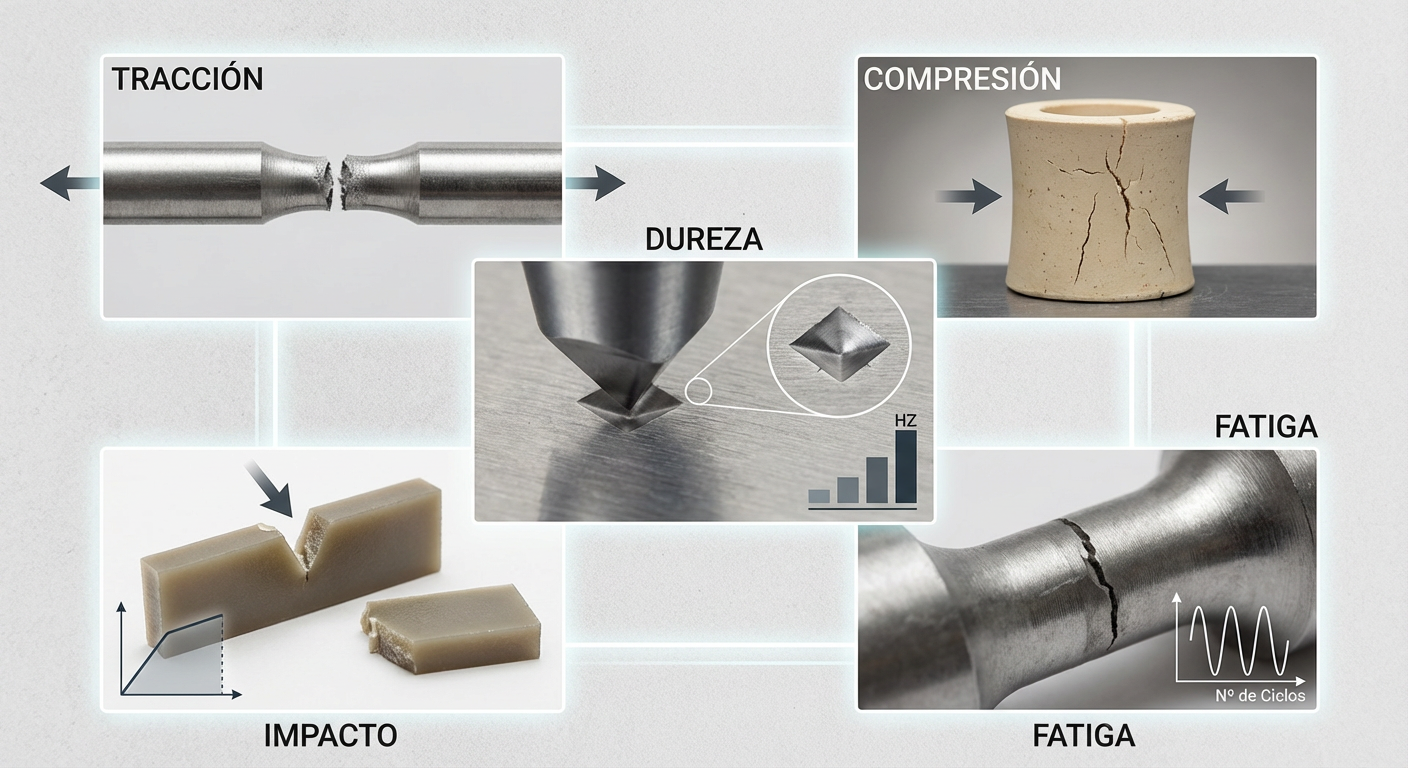
    Mechanical tests are tests performed to determine the mechanical properties of materials, such as resistance, ductility and hardness, under different load conditions. At Alava Ingenieros we offer equipment to determine their physical and mechanical properties through tests such as tensile, flexure, compression, fracture and fatigue.
  • EMGA
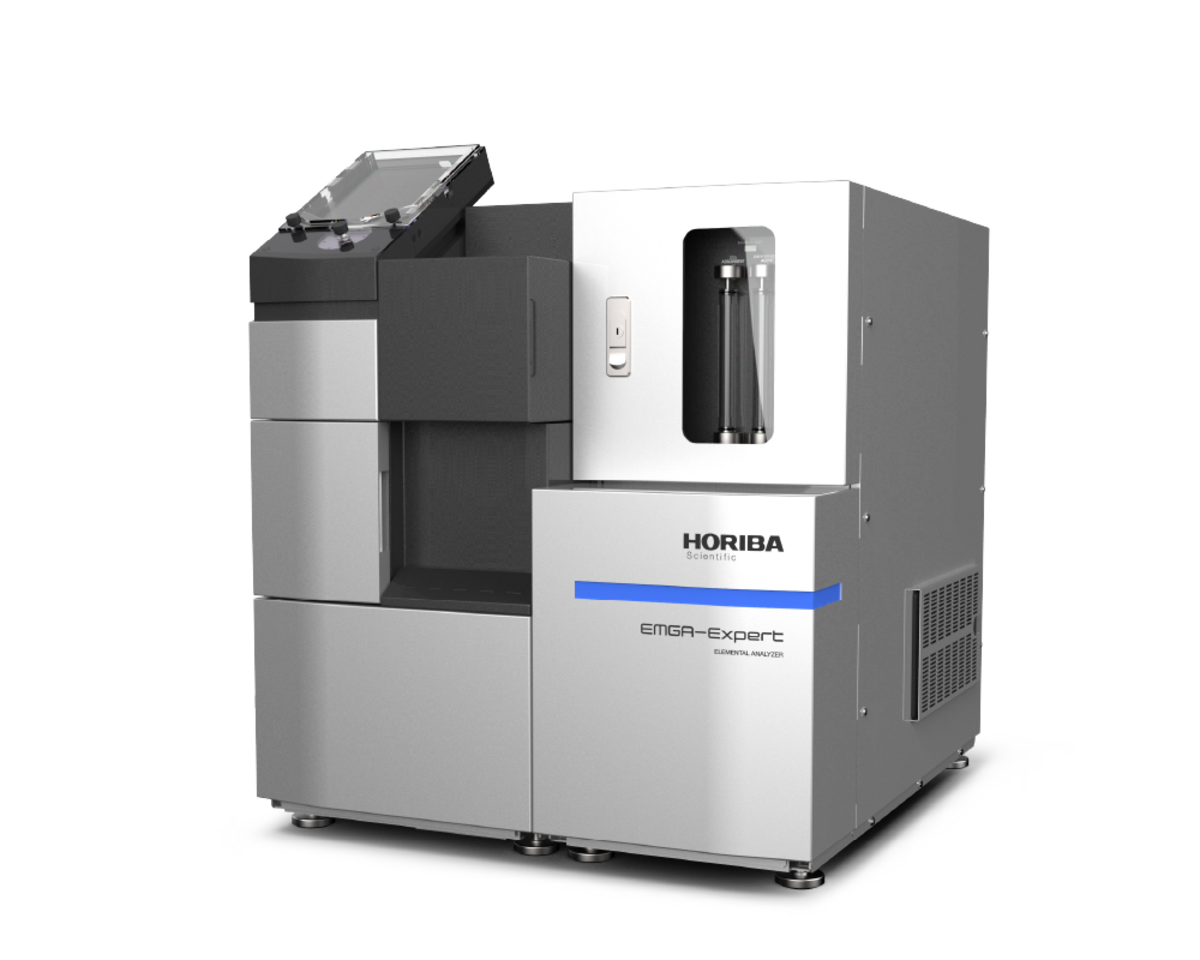
    Elemental Analyzers

    Álava Ingenieros offers advanced solutions for elemental analysis from HORIBA Scientific, allowing highly accurate measurements of carbon, sulfur, oxygen, nitrogen and hydrogen concentration. Thanks to its exclusive non-dispersive infrared spectroscopy (NDIR) analysis technology, this equipment performs fast and highly sensitive measurements, even at trace levels (ppm), optimizing quality control in sectors such as metallurgy, semiconductors, batteries, ceramics and non-metallic materials.
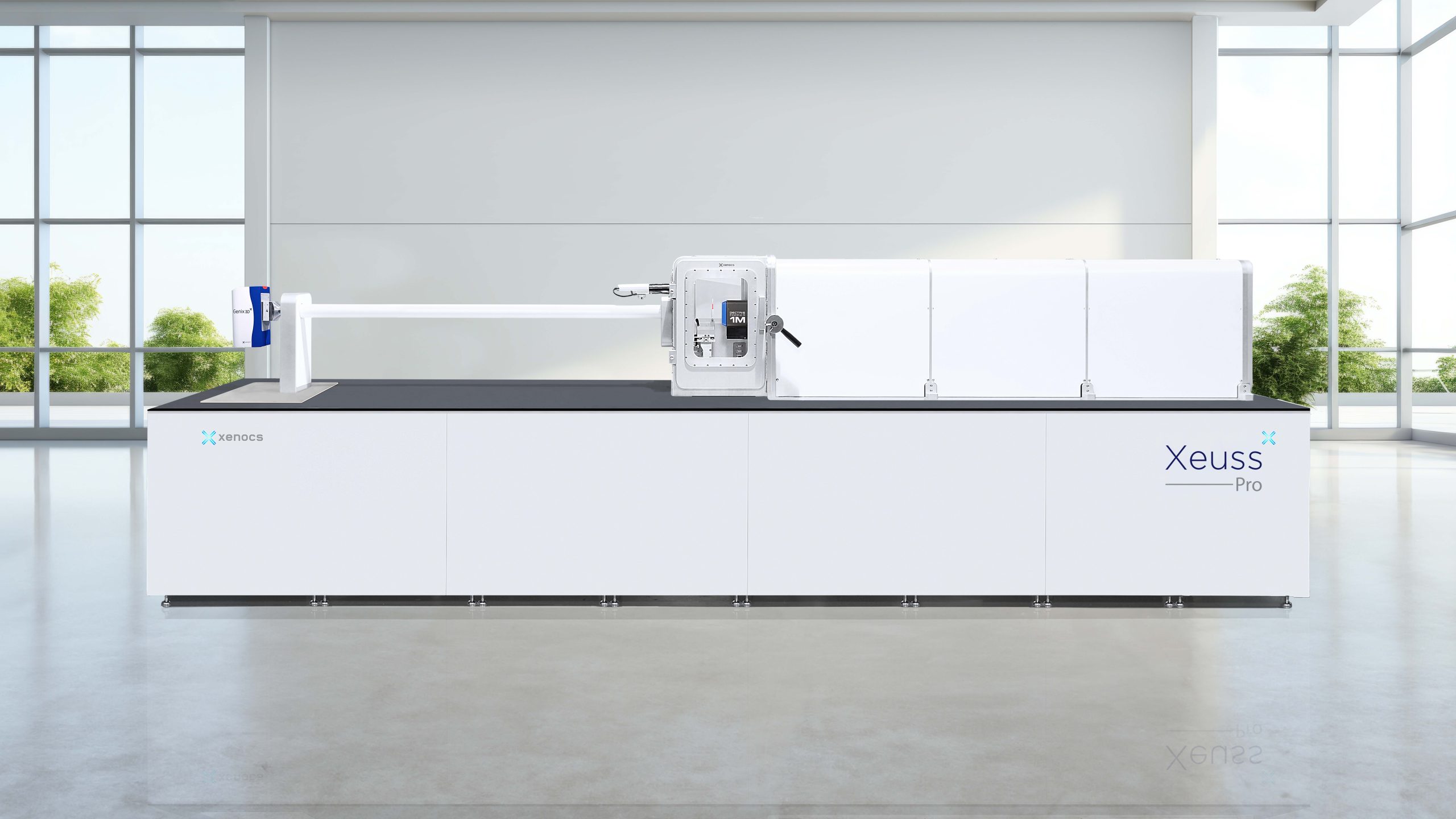
  • Characterization of nanomaterials by SAXS and WAXS techniques is essential to study the internal structure and morphology, size distribution, organization and orientation and interactions of nanoparticles, as well as dynamic analysis of all types of materials, such as polymers and biomolecules.

    Characterization of SAXS/WAXS nanomaterials

    Characterization of nanomaterials by SAXS and WAXS techniques is essential to study the internal structure and morphology, size distribution, organization and orientation and interactions of nanoparticles, as well as dynamic analysis of all types of materials, such as polymers and biomolecules.