Specialized Article
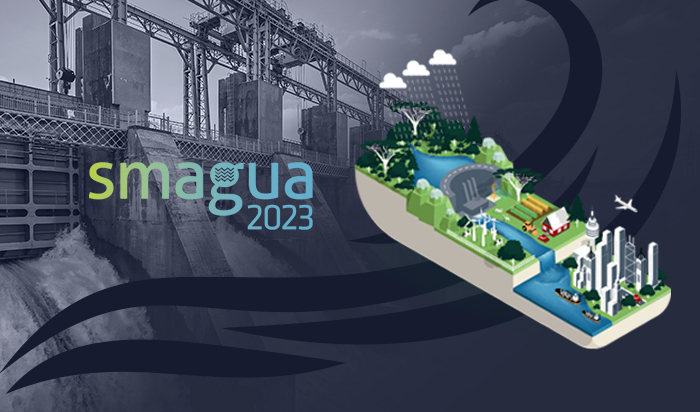
DIGITALIZATION OF THE ENTIRE WATER CYCLE

We all have a great responsibility, which is none other [...]
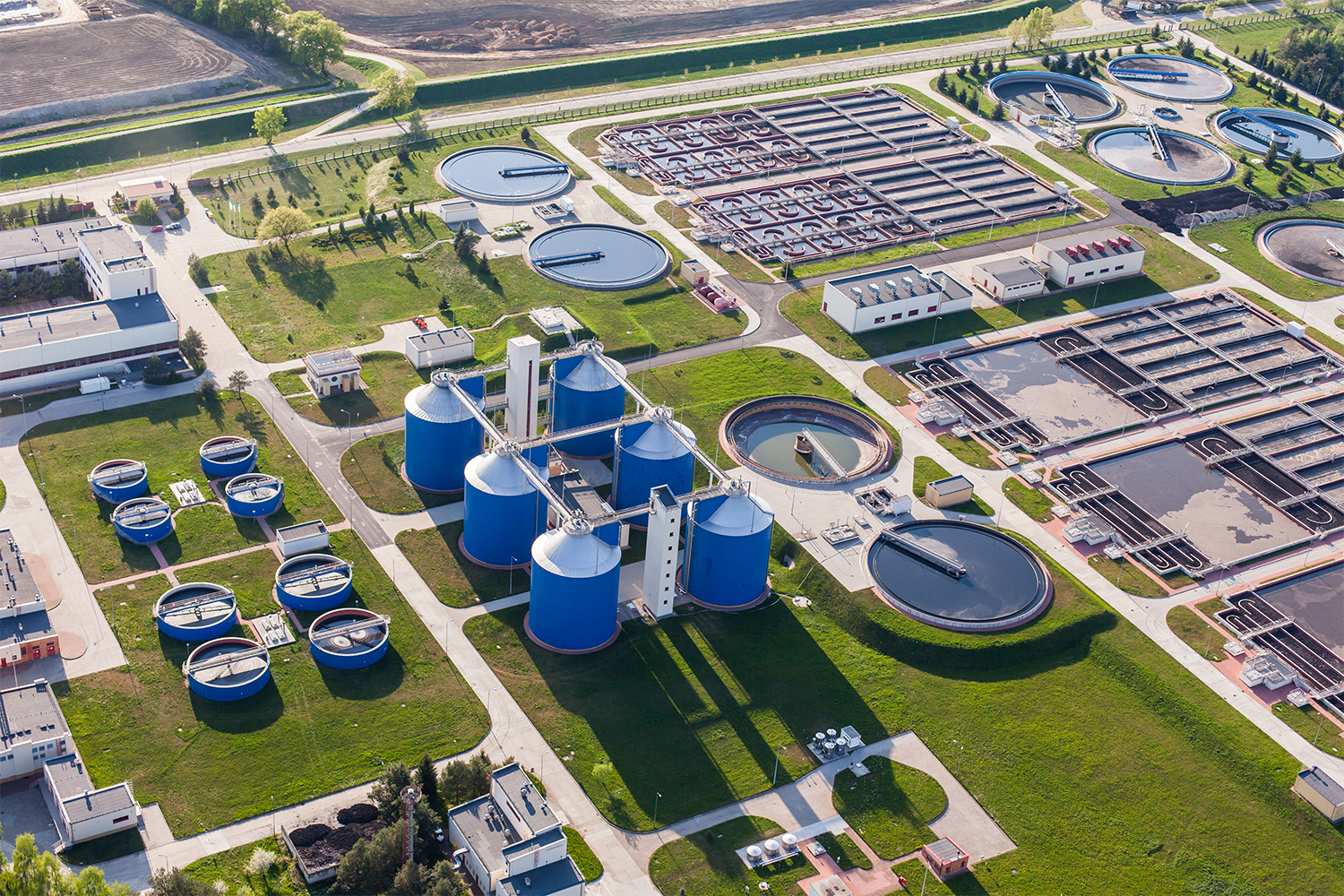
We all have a great responsibility, which is none other than to help ensure that future generations have access to adequate drinking water and sanitation services, in line with the UN Sustainable Development Goals. To make this possible, companies must commit to the digitization of integrated water cycle management.
This digital transformation will generate a massive amount of data that must be processed and leveraged to support decision-making by organizations and companies in the sector. As an example, we’d like to discuss some of the technologies that will help generate new solutions and use cases for the sector. Technologies such as AMI (Advanced Metering Infrastructure), Geographic Information Systems (GIS), 5G, and Artificial Intelligence, digital twins, and smart asset management will help revolutionize the sector, enabling progress in the digitization of the entire water cycle.
A more sustainable world is possible. But we cannot rely solely on technology; we must also rely on people. It is human beings who are capable of bringing all the pieces together to transform water management. The race toward the digitalization of water is a reality, and the most innovative companies and organizations have already jumped on board.
José Fernández-Díez
Vice President, Álava Group
Advanced Metering Infrastructure (AMI)
For several years now, companies have been investing in the digital transformation of micro-metering—not as an end in itself, but as a way to extract value from data and turn information into business intelligence. There is no denying the growing investment in AMI aimed at helping companies, organizations, and end customers make better, more predictive decisions.
We could say that water meters and their evolution are among the most significant advances in the water sector over the past five decades. Indeed, from the days when meters evolved to enable rapid, remote readings (walk-by and drive-by), we have now reached the era of AMI systems, where the meter has become an IoT sensor capable of transmitting useful information quickly, thereby digitizing the entire process.
AMI focuses not only on data collection, but also on its integration and processing using Big Data technologies. This requires cloud platforms that monitor not only smart meters but also all other assets involved in managing the water cycle. The goal is to provide value-added services that not only collect data but also interpret it holistically to enable more efficient water resource management.
The meter has become an IoT sensor capable of transmitting useful information quickly to facilitate the digitization of the entire process.
Jorge Arancón
Product Director at MonoM (Álava Group)
digital twins of water
The digital twin is racking up more and more success stories, ensuring its continued growth within water utilities. The most innovative companies have already incorporated its implementation into their strategic plans.
As in other industries, digitization begins with processes and assets, but the next step is to extract value from all the data, and in this regard, the digital twin is the best option, as it integrates detailed information with general information, allowing it to automatically adapt to the profile of the user, showing them only the information they actually need.
An efficient digital twin must include an integration platform for all the information collected from assets and infrastructure, hydraulic models, and advanced analytics, as well as a powerful visualization system tailored to
the users.
Implementing this requires companies to have high-quality data and the ability to connect that data regardless of where it is located—and, of course, to have a simulation model that is constantly updated and operates in real time. Nor should we overlook the human element—both in terms of making the necessary investment and in terms of transforming the organization’s
and the mindset of its employees toward a much more digital and innovative approach.
Raúl Galán
CTO at MonoM (Álava Group)
5G in the Water Sector
The digitization of integrated water cycle management will bring numerous benefits. Water companies worldwide are committed to transforming their processes as a way to achieve greater water and energy efficiency. In this effort, it is vital to extract value from the data collected through sensor technology—and to do so securely—in order to make better decisions.
Thanks to its low latency and ability to connect millions of devices, 5G will become a key ally for these companies.
Furthermore, in a context where greater transparency is sought, this technology will help unlock and democratize data, making it more accessible. The 21st-century customer not only wants to know how much water they’ve consumed, but also how much is left in the reservoirs, or the quality of the water we’re using in real time. 5G can answer these questions.
These public demands, along with others related to environmental sustainability, are also shared by the government and are part of the water utilities’ roadmap. For this reason, 5G—as an enabler of innovative use cases—will receive a firm commitment to its deployment and adoption. The water sector has a unique opportunity to continue transforming the management of our most precious resource thanks to the advantages offered by 5G. The range of available technologies will benefit all water utilities, regardless of their level of digitalization.
Juan Gil
Unit Director at Grupo Álava
Geographic Information Systems (GIS)
For companies in the water sector, Geographic Information Systems (GIS) have become an invaluable and indispensable tool. They enable these companies to integrate and visualize an ever-increasing flow of information, along with the sensor-based monitoring of processes, assets, and infrastructure, thereby achieving optimal digital transformation to improve management and business operations.
The advantage of a GIS is that it can represent any data or information with a geospatial component. This includes satellite imagery, drone data, sensor data, and more. This allows us to consolidate location data and related information into a single tool, providing a platform for centralized management.
The visualizations are dynamic and collaborative because they can be shared across various platforms, including digital twins. The major advantage is that they keep track of changes made to the infrastructure, ensuring that real-time information is available at all times.
GIS is not a standalone system; like many other IT/OT systems, its value is greatly enhanced when it is connected to other corporate tools and systems, enabling the resolution of key aspects of day-to-day management.
Yolanda Gómez
Director of Solutions at Grupo Álava
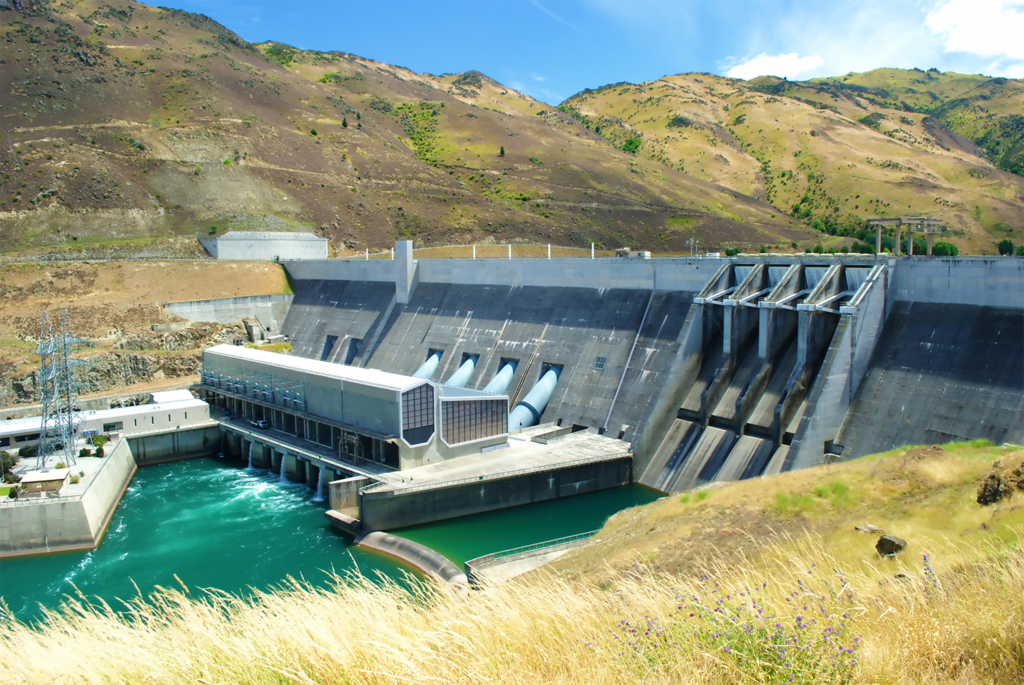
Benefits of GIS for Companies in the Water Sector
- Irrigation water efficiency: allowing irrigation communities to view the volume of water at each point on the plot in real time. Farmers can adjust the flow rate or check for possible leaks or other issues, thereby achieving more efficient irrigation.
- In the drinking water supply: it helps minimize service disruptions following an outage by providing information about the affected branches and pipes, which helps determine which valves need to be shut off to minimize the impact. Not to mention that it helps identify and alert end customers if the supply will be interrupted.
- In Wastewater: It aids in wastewater management by cross-referencing data from certain viral analyses in the population with geolocation data on pipes, service connections, branch lines, and other infrastructure, making it possible to map infection patterns within communities. It is an accurate way to identify areas with higher incidence rates and cross-reference them with data on population, age, or other variables, thereby enabling informed decisions on how to respond.
Forty percent of the world’s population is affected by climate change and water scarcity, making it urgent to address the challenges posed by this situation. Over the next few years, companies in the sector will continue to optimize their operations thanks to these types of technologies.
The future of integrated water cycle management depends on its digitization. However, this should not be viewed as an end in itself, but rather as a means of extracting value from data and turning information into business intelligence. Only in this way will we be able to meet the challenges of the coming decades.
How We Can Help You at Monom (Álava Group)
MonoM is one of the leading companies in the market for industry-specific AIoT cloud platforms, building on Grupo Álava’s 50 years of experience. With specialized solutions, it operates in markets such as Solar, Food, Wind, Defense, Automotive, Manufacturing, Oil & Gas, and Pharmaceuticals, among others. Its unique value proposition for water cycle management integrates the cloud platform with the industry’s most advanced IoT technology and advanced data modeling services. Its Deep Tech is based on the use of AI, Big Data, Cloud, IoT, and Digital Twin.
Contact us for an analysis of your organization’s challenges. We’re here to help!