

GD-OES Spectrometry
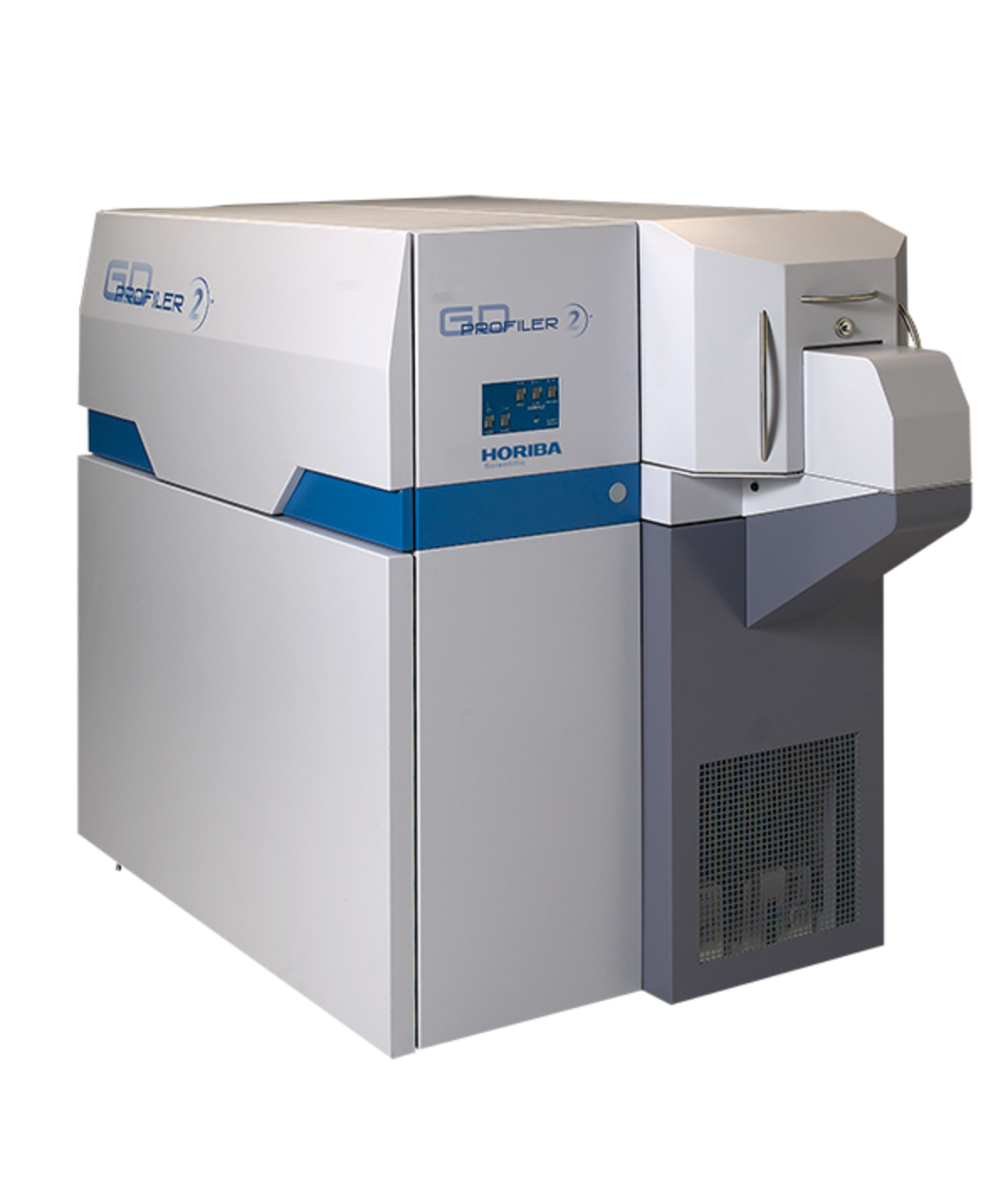
HORIBA Scientific’s GD-OES spectroscopy, a leader in elemental analysis and depth profiling, offers advanced equipment such as the GD-Profiler 2™. This technique uses an argon plasma to ionize and excite atoms in the sample, providing fast and accurate analysis up to 150 microns deep with 1 nm resolution. Ideal for many types of materials, with a focus on metallurgy and semiconductor industries, HORIBA stands out for its innovation and precision in the analysis of elemental composition and surface characteristics.
Description
Plasma optical emission spectroscopy (GD-OES) is an advanced analytical technique that allows elemental analysis and characterization of materials. Álava Ingenieros offers Horiba Scientific’s technology for GD-OES spectrometers that provide fast and accurate results in various industrial and research applications.
What is GD-OES spectrometry?
Plasma optical emission spectroscopy (GD-OES) uses an electrical discharge in a low-pressure gas, usually argon (Ar), to produce a plasma to analyze the composition of materials. This process is performed between two electrodes in contact, in vacuum and in contact with the argon.
Basic principles of GD-OES
- Ionization of argon: the electrical discharge ionizes the argon, creating a plasma that generates a current flow between the electrodes.
- Sample atomization: argon ions impact the sample surface, atomizing its components.
- Excitation and ionization: the atoms of the sample are excited and ionized, emitting photons at characteristic wavelengths.
- Photon detection: these photons are detected and analyzed to identify and quantify the elements present in the sample.
Advantages of GD-OES Spectrometry
- High depth resolution: allows investigation from a few nm to more than 150 microns deep, with a depth resolution of up to 1 nm.
- Speed and ease of use: it is an extremely fast and easy to handle technique, suitable for routine and research analysis.
- Simultaneous analysis: allows the simultaneous analysis of all the elements of interest, which improves the efficiency of the analytical process.
- Horiba Scientific GD-OES instruments
Horiba Scientific offers GD-OES spectrometers designed to meet the needs of elemental analysis and in-depth profiling of conductive and non-conductive samples. These instruments are ideal for applications in the materials industry, metallurgy, semiconductor and more.
GD-Profiler 2™
The GD-Profiler 2™ is one of Horiba Scientific’s featured products in the GD-OES spectrometer category. This instrument offers fast and simultaneous analysis of all elements of interest, including light elements such as Na, Li, H, ²H, O and Cl.
GD-Profiler 2™ features:
- Fast and accurate analysis: provides fast and accurate results, improving laboratory efficiency.
- Versatility: suitable for a wide range of applications, from surface analysis to in-depth profiling.
- Ease of use: intuitive design for easy operation, even for non-expert users.
- Applications of GD-OES spectrometry
The GD-OES technique is used in various industrial and research applications due to its ability to provide detailed and accurate analysis of the elemental composition and depth profiles of materials.
Some of the most common applications include:
- Materials industry: analysis of the composition and quality of alloys, coatings and composite materials.
- Metallurgy: study of the surface and in-depth properties of metals and alloys.
- Semiconductors: characterization of semiconductor materials and devices.
- Research and development: analysis of new materials and manufacturing processes.
Documents
Other products you may be interested in
Characterization of SAXS/WAXS nanomaterials
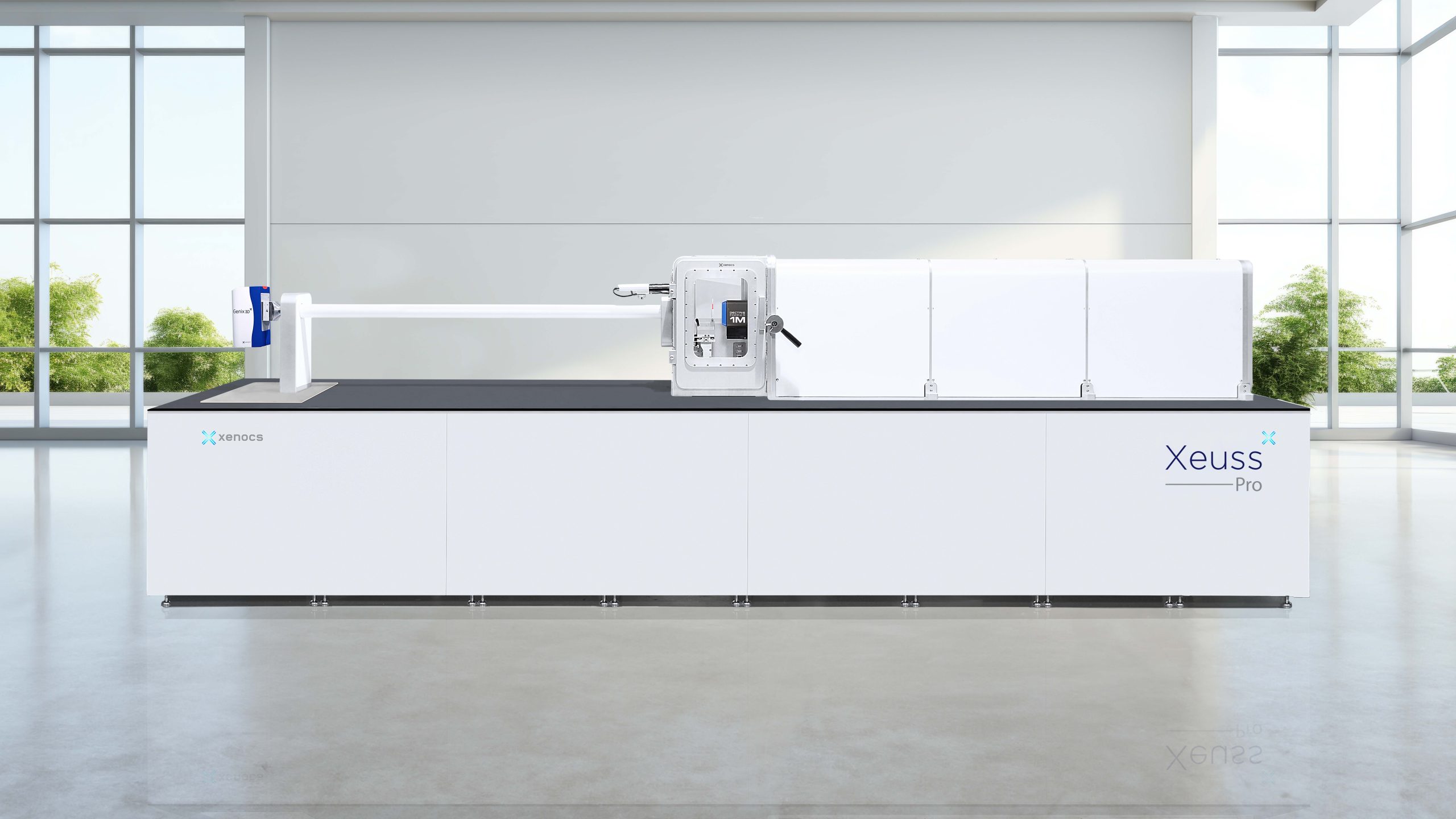
Characterization of nanomaterials by SAXS and WAXS techniques is essential to study the internal structure and morphology, size distribution, organization and orientation and interactions of nanoparticles, as well as dynamic analysis of all types of materials, such as polymers and biomolecules.
Raman spectroscopy
We lead the way in Raman spectroscopy technology with HORIBA Scientific offering advanced solutions such as macroRaman, microRaman, and hybrid AFM Raman systems (TERS). Its products enable detailed molecular analysis in the semiconductor, pharmaceutical and nanotechnology industries. Highlights include LabRAM Soleil, XploRA™ PLUS and LabRAM Odyssey, which combine precision, flexibility and ease of use. HORIBA Scientific's Raman spectroscopy is key in the identification of chemical compounds and structural studies, strengthening its position as a reference in analytical technology.
