

Description
X-ray microfluorescence is a spectroscopy analysis technique in which X-rays are used as a light source. X-rays are irradiated onto a small area of the sample with a high-energy beam. When the atoms in the sample absorb X-rays, the electrons in the atoms are excited and stripped of energy, causing the emission of secondary X-rays, characteristic of each element. The emitted fluorescent X-rays are detected and analyzed to detect the elements. These are systems that allow rapid analysis, with high sensitivity and are simple to perform.
Alava Ingenieros, together with Horiba, offers different solutions.
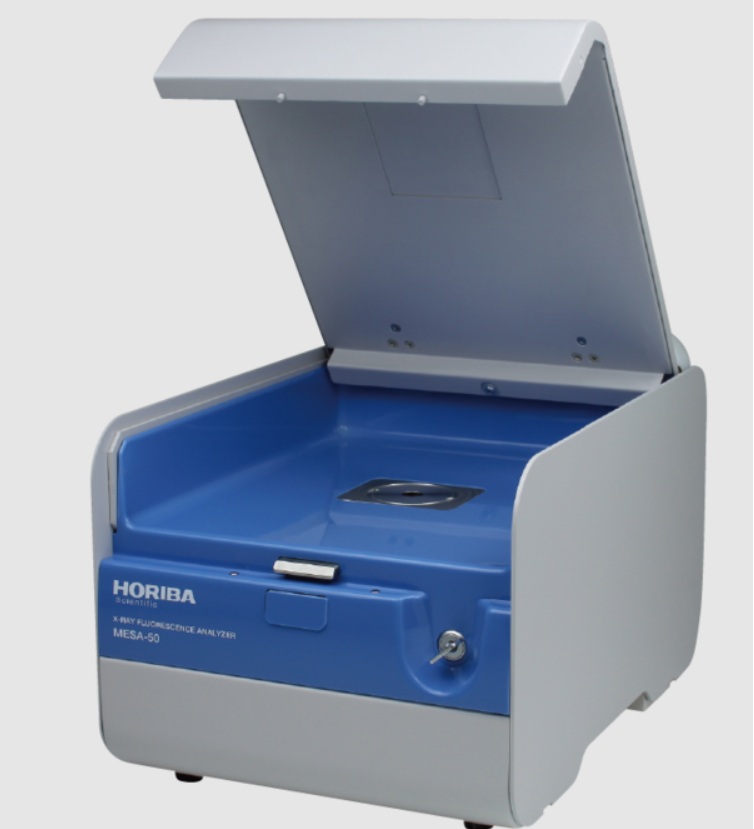
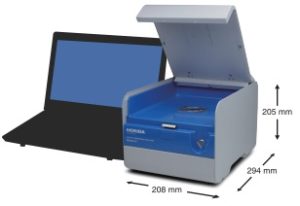
MESA 50K: The HORIBA MESA-50 series is a portable benchtop energy dispersive X-ray fluorescence analyzer (EDXRF) with extremely simple operation. It achieves a very compact size without compromising X-ray safety thanks to IEC 61010-1/JAIMAS 0101-2001 compliant X-ray shielding. Thanks to the built-in battery and pump-free optics, it allows you to perform your measurements wherever you want. It is a widely used equipment for RohS measurements, metals, food, materials (toy analysis, hazardous material in plastics), geology, etc.
XGT-9000: This is the latest evolution of X-ray micro fluorescence spectroscopy, with optimum performance in terms of speed and flexibility, high sensitivity and a wide range of detectable elements. In addition, this system has two types of detectors, which allows us to perform on the same point, x-ray fluorescence and x-ray transmission. With a size of ≥15 µm with an ultra-high intensity capillary, it has a high resolution camera and multiple illumination modes. The equipment is designed to perform measurements in atmosphere, partial vacuum, full vacuum, and even with helium purge for detection of lighter elements.
Industry Applications
HORIBA Scientific’s fluorescence spectroscopy systems are essential in several industries:
– Pharmaceutical: Quality control and product purity verification.
– Biomedical Research: Cell dynamics studies and biomarker detection.
– Chemical Industry: Identification of organic and inorganic compounds by rapid, non-destructive analysis.
– RoHS: RoHS compliance analysis.
Documents
Other products you may be interested in
Characterization of nanoparticles
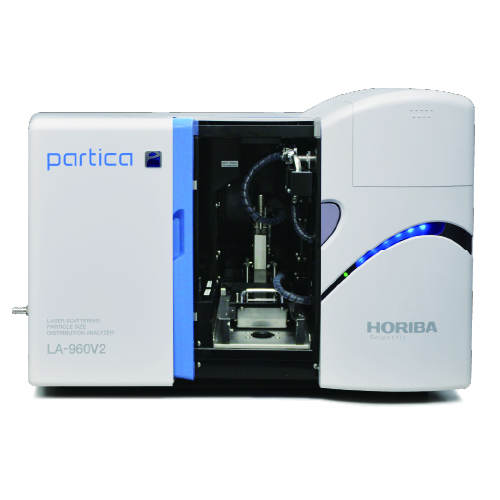
Latest technologies for particle characterization from Horiba Scientific. Through techniques such as laser diffraction or dynamic light scattering (DLS), Horiba's equipment allows the identification of particle size and shape, as well as molecular weight and zeta potential. This improves product quality, optimizes processes and ensures regulatory compliance, guaranteeing accuracy and efficiency in numerous industries, such as pharmaceuticals, food and materials.
Characterization of SAXS/WAXS nanomaterials
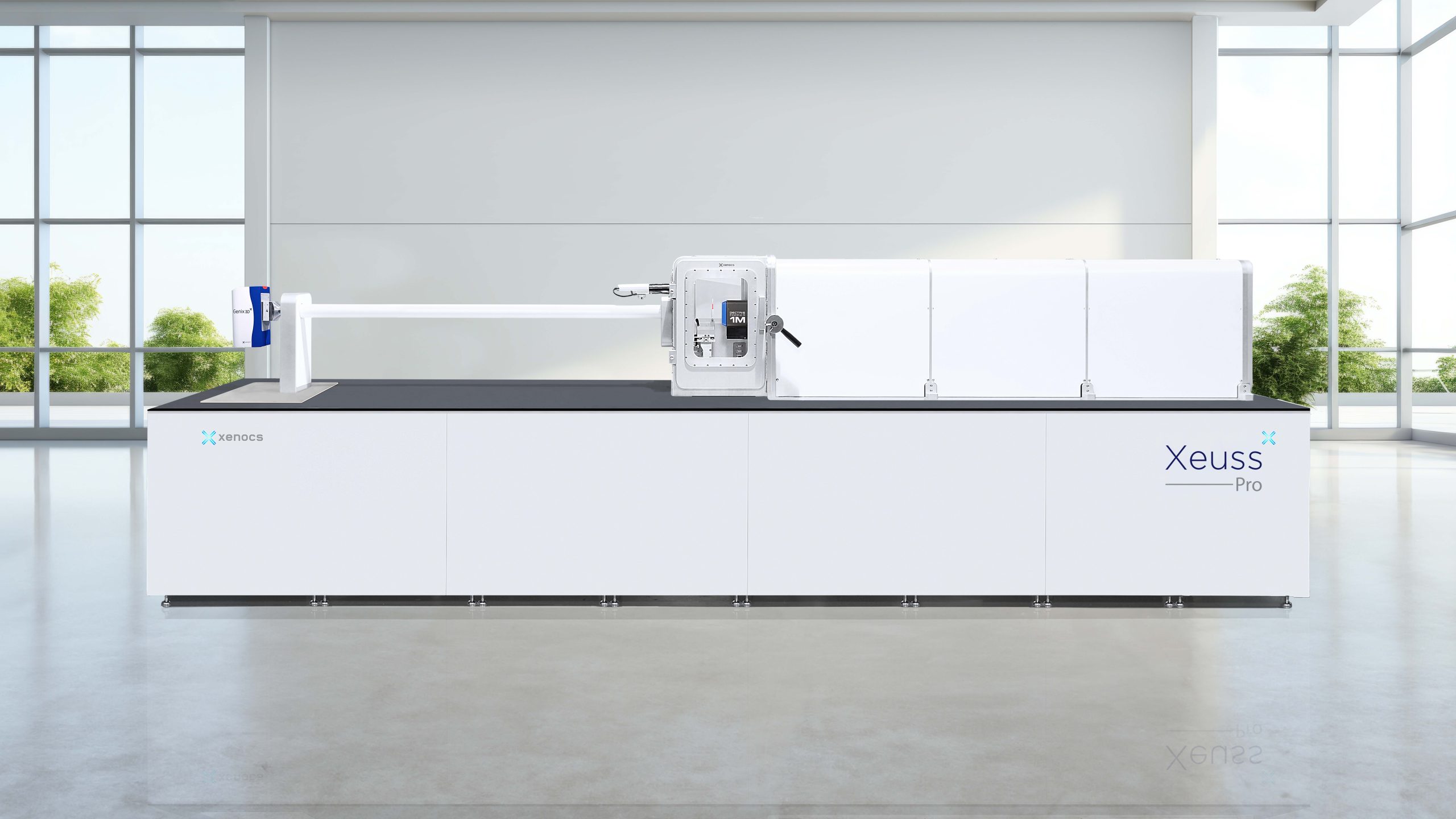
Characterization of nanomaterials by SAXS and WAXS techniques is essential to study the internal structure and morphology, size distribution, organization and orientation and interactions of nanoparticles, as well as dynamic analysis of all types of materials, such as polymers and biomolecules.
Raman spectroscopy
We lead the way in Raman spectroscopy technology with HORIBA Scientific offering advanced solutions such as macroRaman, microRaman, and hybrid AFM Raman systems (TERS). Its products enable detailed molecular analysis in the semiconductor, pharmaceutical and nanotechnology industries. Highlights include LabRAM Soleil, XploRA™ PLUS and LabRAM Odyssey, which combine precision, flexibility and ease of use. HORIBA Scientific's Raman spectroscopy is key in the identification of chemical compounds and structural studies, strengthening its position as a reference in analytical technology.
