

Characterization of SAXS/WAXS nanomaterials
Characterization of nanomaterials by SAXS and WAXS techniques is essential to study the internal structure and morphology, size distribution, organization and orientation and interactions of nanoparticles, as well as dynamic analysis of all types of materials, such as polymers and biomolecules.
Description
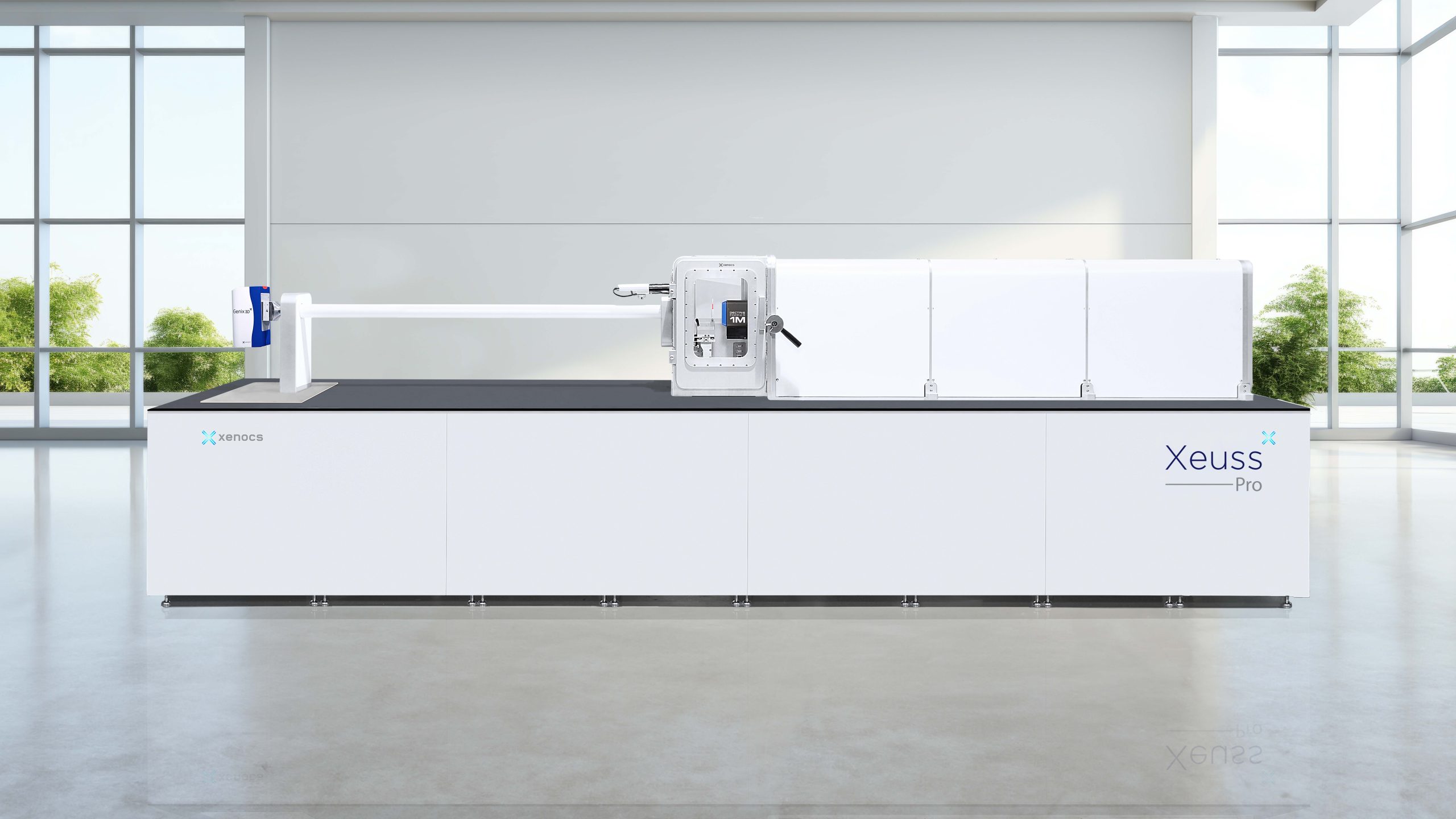
The characterization of nanomaterials using small-angle X-ray scattering (SAXS) and wide-angle X-ray scattering (WAXS) techniques has become an essential tool to study the internal structure and morphology of materials at the nanoscale. Our partner Xenocs, a leader in this technology since 2000, offers advanced solutions for the research and development of nanomaterials, providing equipment that allows the analysis of particle arrangement, size, shape and other fundamental aspects of nanostructures.
What is SAXS/WAXS and what are its main features?
SAXS (Small Angle X-ray Scattering) and WAXS (Wide Angle X-ray Scattering) are non-intrusive techniques that allow investigating the internal structure and physical properties of nanomaterials without altering them. SAXS focuses on larger particles and aggregates (1 to 250 nm), while WAXS explores atomic and crystalline arrangements at smaller scales (below 1 nm). These techniques provide detailed information on morphology, particle size, aggregation states, and more.
Benefits of SAXS/WAXS Characterization
Non-destructive analysis: Allows characterization of materials without damaging or altering them.
Versatility: Applicable in liquids, solids, powders, gels and thin films.
Accuracy: Simultaneous acquisition of atomic and nanometer scale data.
Efficiency in the laboratory: Compact equipment such as the Nano-inXider optimizes space and facilitates access for new users.
SAXS/WAXS applications
These techniques are widely applied in fields such as nanotechnology, colloids, structural biology, drugs in the pharmaceutical sector, polymers or industrial materials.
Outstanding Equipment for the Characterization of Nanomaterials
- XeussXeuss: High precision equipment for advanced characterization of nanostructures by SAXS/WAXS. Its modular design allows to work in research, development and production of advanced materials, offering unparalleled flexibility and precision.
- Nano-inXiderNano-inXider: A compact instrument that combines SAXS and WAXS in a single instrument. It is ideal for laboratories with limited space, providing simultaneous analysis of nanostructures and atomic structures. It is highly versatile, allowing the analysis of diverse samples such as liquids, solids, gels and thin films.
- BioXolverBioXolver: Advanced solution for biostructural studies with SAXS, ideal for detailed analysis of biological samples without the need for synchrotrons. Equipped with BioXTAS RAW software, it facilitates the biophysical analysis of biomolecules.
- XSACT SoftwareAdvanced analysis tool that optimizes the processing and interpretation of SAXS/WAXS data, enabling fast and accurate results.
At Alava Ingenieros we stand out for offering advanced solutions for the characterization of nanomaterials, providing cutting-edge technology that drives innovation and guarantees an accurate and efficient analysis in various industrial and scientific applications.
Documents
Other products you may be interested in
Mechanical testing of materials
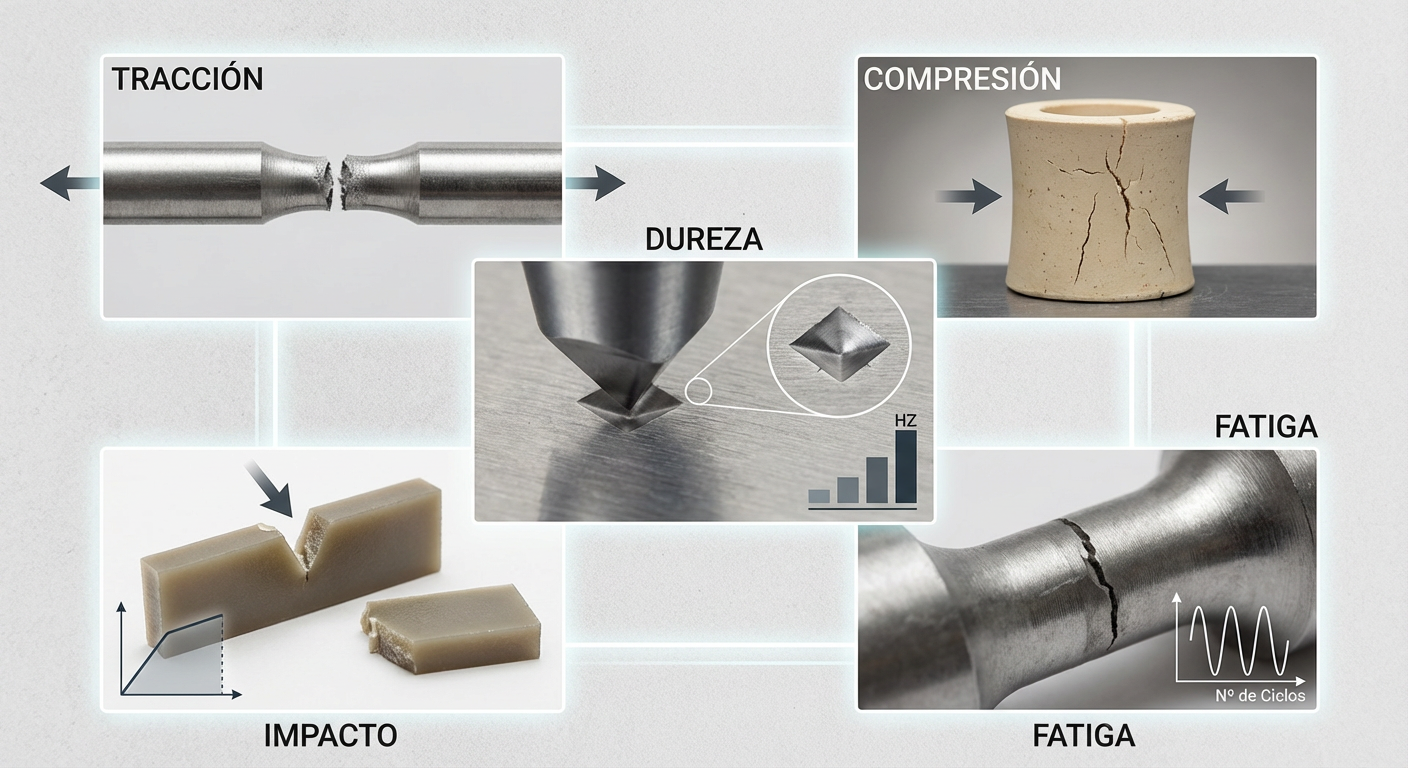
Mechanical tests are tests performed to determine the mechanical properties of materials, such as resistance, ductility and hardness, under different load conditions. At Alava Ingenieros we offer equipment to determine their physical and mechanical properties through tests such as tensile, flexure, compression, fracture and fatigue.
Fluorescence Spectroscopy
HORIBA Scientific, a leader in fluorescence spectroscopy systems, offers advanced equipment such as Duetta™, Aqualog and FluoroMax Series, which provide accurate and sensitive analysis in pharmaceutical, biomedical and chemical applications. Products include spectrofluorometers, lifetime systems and XRF analyzers, ideal for quality control and fluorescence studies. HORIBA stands out for its innovation and precision in the detection and quantification of materials at the molecular level, facilitating advanced scientific research.

Raman spectroscopy
We lead the way in Raman spectroscopy technology with HORIBA Scientific offering advanced solutions such as macroRaman, microRaman, and hybrid AFM Raman systems (TERS). Its products enable detailed molecular analysis in the semiconductor, pharmaceutical and nanotechnology industries. Highlights include LabRAM Soleil, XploRA™ PLUS and LabRAM Odyssey, which combine precision, flexibility and ease of use. HORIBA Scientific's Raman spectroscopy is key in the identification of chemical compounds and structural studies, strengthening its position as a reference in analytical technology.
Characterization of nanoparticles
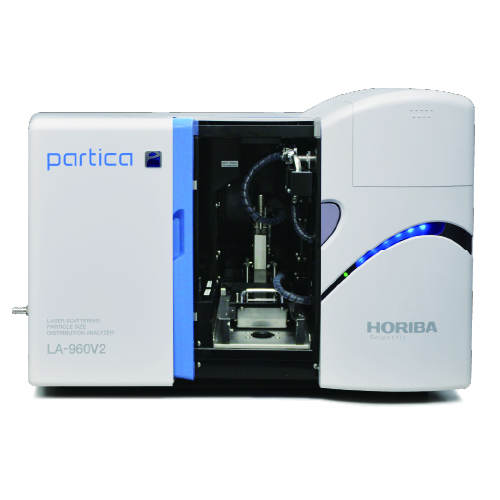
Latest technologies for particle characterization from Horiba Scientific. Through techniques such as laser diffraction or dynamic light scattering (DLS), Horiba's equipment allows the identification of particle size and shape, as well as molecular weight and zeta potential. This improves product quality, optimizes processes and ensures regulatory compliance, guaranteeing accuracy and efficiency in numerous industries, such as pharmaceuticals, food and materials.
