Specialized articles
Predictive Maintenance

Predictive or condition-based maintenance assesses the condition of machinery and [...]
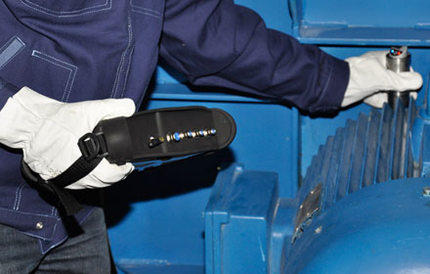
Predictive or condition-based maintenance assesses the condition of machinery and recommends whether or not to take action based on its condition, which results in significant savings.
Predictive machinery diagnostics was developed in industry during the decade spanning the mid-1980s to the mid-1990s. Currently, predictive approaches are applied to critical machinery in plants that have optimized asset management (RCM, ISO 55001, RBM, etc.). Condition-based maintenance optimizes preventive maintenance by determining the precise timing for each technical maintenance intervention on industrial assets.
Predictive maintenance is a set of instrumented techniques for measuring and analyzing variables to characterize the operating condition of production equipment in terms of potential failures. Its primary mission is to optimize equipment reliability and availability at the lowest possible cost.
Advantages and Benefits of Implementing Predictive Maintenance
Optimized maintenance scheduling offers the following benefits:
- Increased equipment availability.
- Improved overall reliability.
- Fewer raw material losses due to unplanned shutdowns and restarts.
- Reduction in the number of interventions per year by the teams.
- Reduced risk of infant mortality (due to human error during repairs), as fewer maintenance interventions are required.
- Reduced spending on replacement parts, as the number of maintenance interventions over the asset’s life cycle can be reduced by up to one-fifth (e.g., for bearings).
- As a result of the previous point, the workforce is reduced.
- Monitoring leads to fewer accidents and increased safety.
- If we use the monitoring data to establish a root cause analysis (RCA) program for failures, we will reduce failures in general and catastrophic failures in particular.
- Lower industrial insurance costs, as the plant achieves better KPIs and, therefore, reduces the risk for the insurance company.
European companies that do not adopt Operational Excellence practices will disappear. The only way to compete with countries that have a lower-cost labor force is through automation and the optimization of process management and the maintenance of production facilities.
Download the article, “Predictive Strategy in Industrial Maintenance” – PDF 2.6 MB.
Video: Why Implement a Predictive Maintenance Strategy in Industrial Maintenance. Predictive maintenance is the best way to plan inspections of your critical machinery. We invite you to watch this approximately one-hour presentation by Francisco Ballesteros Robles (Preditec), which outlines the main arguments in favor of a predictive maintenance strategy.
The main predictive maintenance techniques and their application to industrial machinery are:
- Vibration analysis
Vibration analysis is the primary technique for monitoring and diagnosing rotating machinery and implementing a predictive maintenance plan. - Ultrasound Applications in Predictive Maintenance
Ultrasound detection is a technique that has advanced significantly in recent years; discover the applications of this predictive technique. - Lubricant Analysis
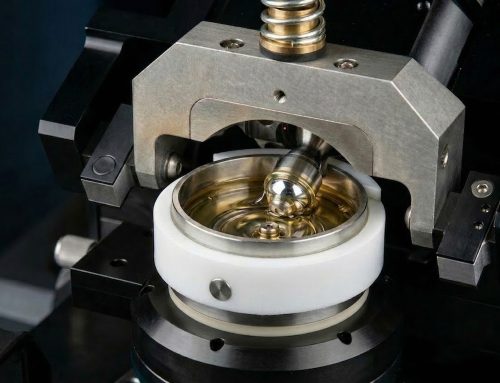
Lubricant analysis techniques are fundamental to determining lubricant deterioration, contaminant ingress, and the presence of wear particles. - Analysis of Reciprocating Machinery
Reciprocating engines and compressors can be diagnosed with high precision based on dynamic pressure, ultrasonic, and vibration signals. - Partial Discharges in Electrical Machines
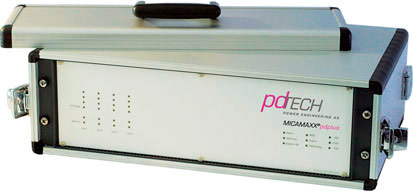
The technique of studying partial discharges is applied to large electrical machines to assess the condition of the stator while the machine is in operation. - Monitoring Parameters for Large Electrical Machines
The critical nature of large electrical machines justifies continuous monitoring using several complementary techniques. - Thermography
The reduction in the price of thermal imaging cameras has allowed any maintenance department to benefit from this powerful predictive technique. - Analysis of Induction Electric Motors (ESA&MCA)
In recent years, technologies have been developed that enable the diagnosis of electric motors through the simultaneous measurement of current and voltage.

We offer predictive maintenance services using vibration analysis, ultrasonic testing, thermography, oil analysis, and electric motor circuit analysis. Learn more.
We offer a selection of the best products available on the market: vibration analyzers, laser aligners, ultrasonic detectors, advanced monitoring systems, thermal imaging cameras, online sensors, and equipment for analyzing electrical machinery. See more.
Condition Monitoring Solutions for Predictive Maintenance – Download PDF (2.2 MB)