Specialized Article
Tackling the energy crisis is vital

We are facing a critical situation that we must address [...]
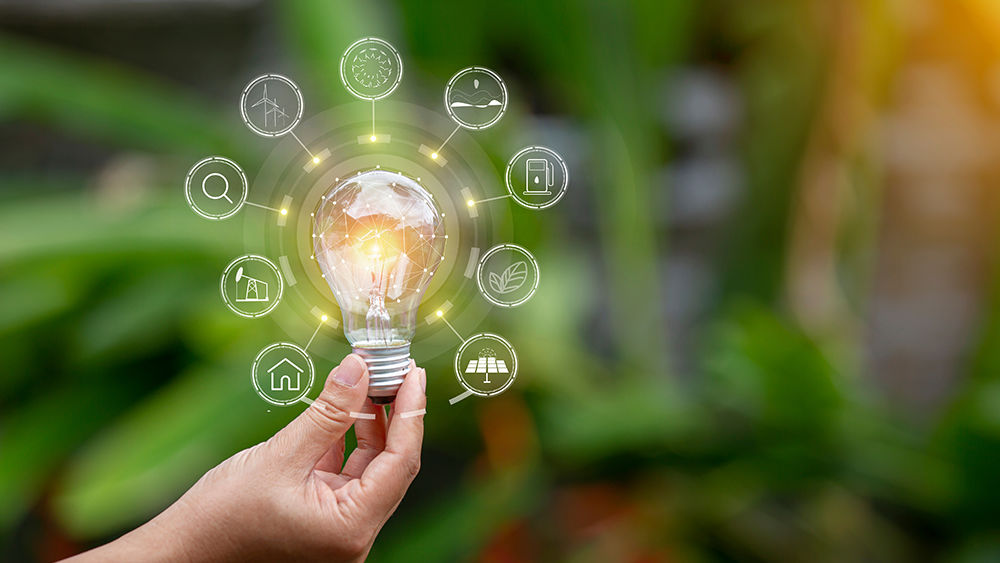
We are facing a critical situation that we must address together as a matter of urgency, because any excess in even the most remote corner of the world affects us all. That is why tackling the energy crisis is vital.
The Spanish Energy Framework
Climate change is the greatest challenge we face today, and halting it should be our top priority as a society. In this regard, a commitment to clean, emission-free energy is key to achieving this goal.
According to the Ministry for Ecological Transition and the Demographic Challenge, Spain is one of the European countries with the greatest potential for harnessing renewable energy. The sectors with the greatest potential for reducing greenhouse gas emissions are electricity generation and transportation.
the global energy landscape
Various studies indicate that there are already countries where 100% of the electricity generated comes from renewable sources. And many others where that percentage is over 80%. In fact, they have become the cheapest sources of electricity in many markets.
In accordance with the objectives of the European Green Deal, the European Union (EU) has committed to becoming the first climate-neutral region by 2050, proposing to increase the share of renewable energy sources in the Union’s energy mix by 40%.
measures implemented
In line with these objectives, the Integrated National Energy and Climate Plan and the Ecological Transition Act aim for the Spanish government to achieve an electricity system by 2030 in which at least 74% of generation comes from renewable energy sources. Furthermore, Spain is projected to achieve greenhouse gas neutrality from oil, natural gas, and coal by 2050 . And as one of the “first steps,” the International Energy Agency states that projections indicate energy from renewable sources such as solar and wind will surpass that from coal and gas by 2024.
Furthermore, the National Integrated Energy and Climate Plan (PNIEC) states that this will transform the energy system toward greater energy self-sufficiency by efficiently harnessing our country’s existing renewable energy potential. This will have a positive impact on national energy security, as it would significantly reduce dependence on fossil fuel imports, which entail high economic costs and are subject to geopolitical factors and high price volatility.
However, according to Rafael Mateo, CEO of Acciona, in an interview with Diario de Navarra, “the energy crisis is going to continue and is creating a volatile environment that we will have to live with for quite some time.” One solution is renewable energy, which we have already discussed, but others include efficiency and electrification measures, as well as various innovative technologies, for which research is a fundamental pillar.
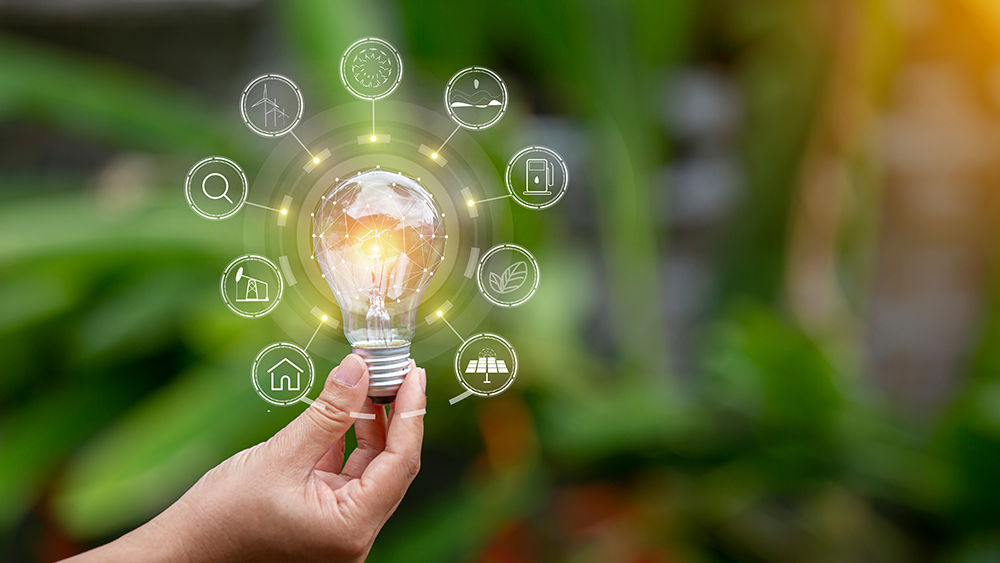
Let’s fight the energy crisis together
One of the fundamental principles that has guided the development of the PNIEC has been “energy efficiency first.” Energy efficiency measures are central to all sectors of the economy, with special emphasis on transportation and industry. These will be the key sectors for achieving climate neutrality in our country, since together they account for more than 60% of Spain’s greenhouse gas emissions. Moreover, these two sectors are interconnected and depend on one another.
There are ways to combat the energy crisis. One of them—perhaps the one most accessible to every citizen—is to embrace sustainable transportation, which is becoming increasingly important every day.
With regard to the industrial sector, which has been so severely affected by high energy and raw material prices, one way to address this issue is through the efficient management of production facilities, which, in addition to helping lower prices, will reduce downtime in many production processes and prevent the closure of certain operations. To this end, industrial companies must invest in new technologies that improve their energy efficiency and contribute flexibility to the national energy system.
The Spanish government’s national objectives for research, innovation, and competitiveness include:
- Focus research and development on finding solutions to social challenges and sustainable development goals
- Promote public-private partnerships and business-led research and innovation.
- Strengthen technology transfer from the public sector to society and industry to facilitate the green transition
- Place citizens at the center of the energy and climate transition model, helping them take on a more active role.
It all comes down to 4 key points
The new energy paradigm is based on the “4 Ds,” as defined in this article from Revista Empresarial:
- Decarbonization: transforming polluting energy sources into renewable ones to reduce environmental impact.
- Digitalization: In the case of the electric power industry, the digital transformation process is directly linked to the regulation of the electricity market.
- Decentralization: Creating New Business Models Centered on the Sharing Economy.
- Democratization: This involves equitable access to energy for all people, both in terms of housing and new technologies and business models.
At Grupo Álava, we work toward clear goals of promoting clean energy and sustainable mobility, because we believe that this is the only way we can build a fair future for everyone—and we must do it together.
Would you like to know how we can help you? Contact us!