Specialized Article
Thermography in H2 Combustion

Why is thermography so important in gas combustion, especially hydrogen [...]
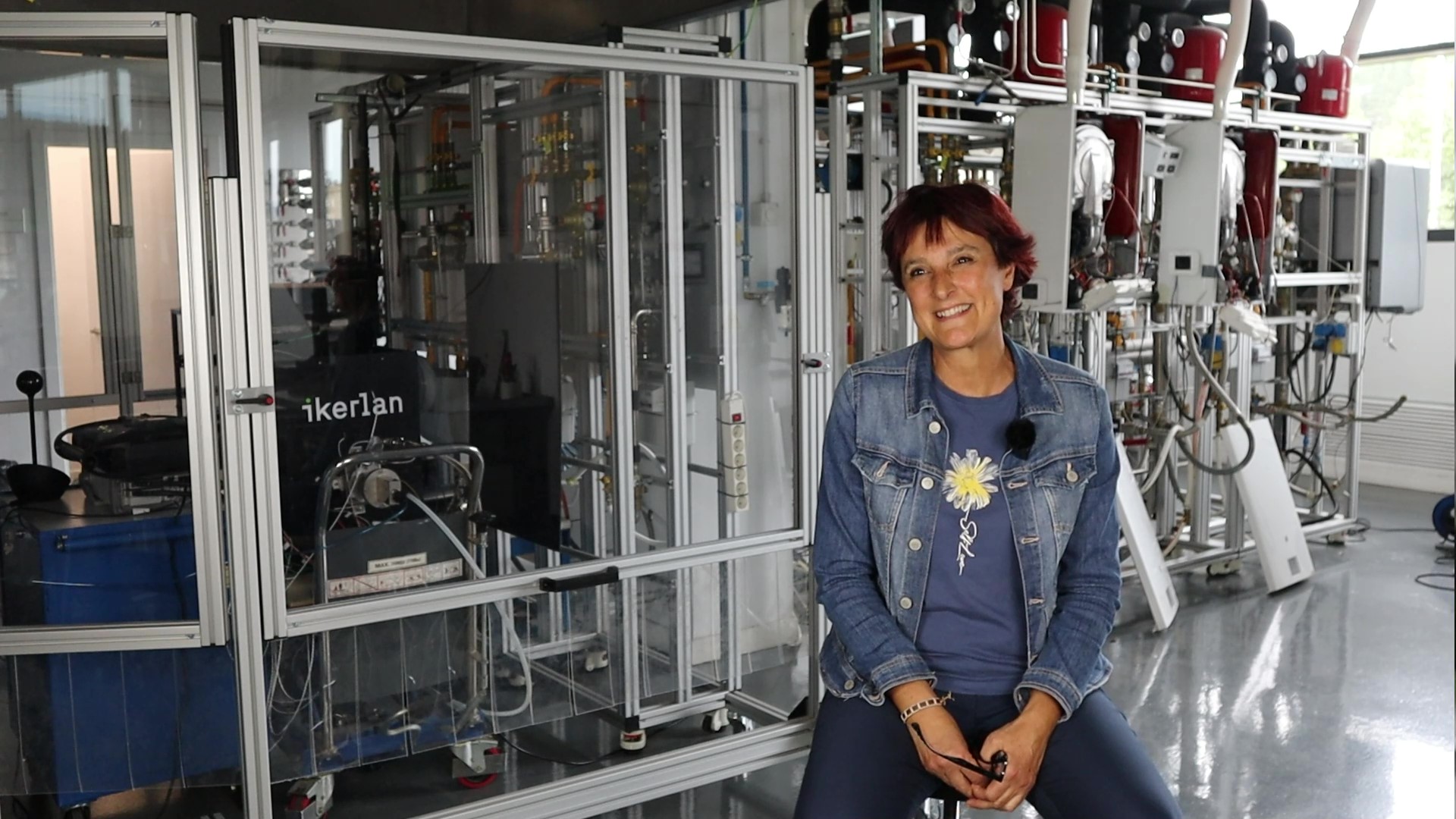
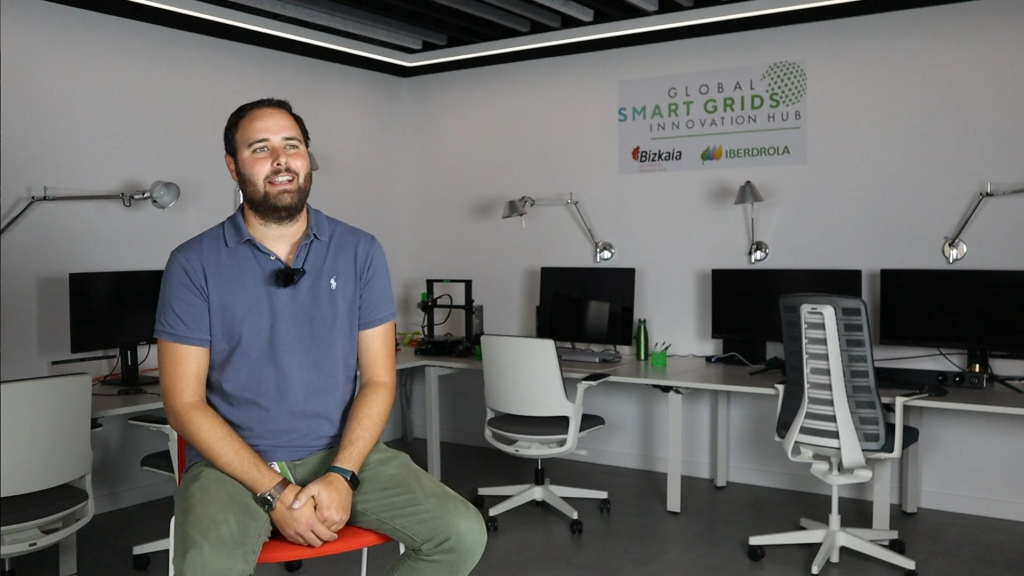
We interviewed Isabel Álava, a senior researcher at Ikerlan , about the importance of thermography in H2 combustion .
Why is thermography so important in gas combustion, especially hydrogen (H2)?
“When it comes to hydrogen combustion, measuring temperatures is essential, especially when we’re talking about hydrogen (H2). This is because the flame cannot be seen; it is invisible to the human eye.” – Isabel Álava, Head of the Combustion Laboratory at IKERLAN.
Isabel Álava is a Senior Researcher at IKERLAN, a technology center specializing in industrial digitization and technology transfer to companies, which is part of the Mondragón Group and the BRTA (Basque Research & Technology Alliance). She currently heads the Combustion Laboratory and has more than 20 years of experience working at the company.
We are fortunate to have the opportunity to speak with her so she can tell us how the collaboration between Grupo Álava and Ikerlan came about. They use the Teledyne FLIR thermal imaging cameras we provide not only to monitor temperatures, but also as a safety measure.
What do you do at Ikerlan?
We focus on energy, combustion, and the design and development of efficient systems, heat transfer and optimization processes. Both for residential and industrial applications, in sectors such as heating and cooking. We’ve been working on combustion for over 20 years and have a laboratory that we opened in 2019; in addition to being designed to test and validate conventional gases and fuels, we built it specifically as a laboratory for 100% hydrogen. Green hydrogen, generated and produced from renewable energy sources, is one of the key technologies for decarbonizing the planet. We have the entire protocol, detection systems… That is primarily what we do in the combustion group, which is part of the mechanics unit.
We have a fairly broad range of clients, and our core business right now is hydrogen. We’re destroying the planet… Reducing CO2 emissions by using hydrogen as a fuel, and developing solutions that don’t exist today. There’s no technology for hydrogen combustion, no hydrogen burners, and no systems to detect hydrogen. So, you could say we’re at the cutting edge of technological development.
It is one of the few laboratories in the country that allows hydrogen (H₂) to be burned in complete safety.
HOW DID THE PARTNERSHIP WITH GRUPO álava COME ABOUT?
We’ve been working together for many years now, because one of the key technologies we use to monitor, design, develop, and validate the systems we optimize, improve, or design is infrared thermography. Knowing the temperatures inside the burner—and whether the heat distribution is uniform or not—is incredibly interesting. For us, it’s a key tool, but especially so when we’re talking about hydrogen, because it’s invisible to the naked eye. We can see a natural gas flame, but not a hydrogen flame. So, the only way to detect it is through temperature, using infrared thermography. We’re not only using the Teledyne FLIR thermal imaging cameras you provided us to monitor temperature, but also as a safety measure.
How does GRUPO Álava’s solution benefit you?
It allows us to monitor flame temperatures—specifically those of hydrogen— up to 2000°C, something that other versions of other cameras would not allow us to do. This technology is very useful to us. And while I’m talking about hydrogen here, historically I could mention when we developed burners for gas furnaces, where you have to check whether the heat distribution inside the furnace is uniform. In short, there are countless problems that we solve with this technology.
WHAT IS YOUR DAY-TO-DAY EXPERIENCE WITH THE PRODUCT?
We handle everything from design and product improvement to testing, validation, and even pre-certification testing. We are not a certification body, but we guarantee our clients that the product we have developed is ready for industrial-scale production. We use the tool on a daily basis, depending on where we are in the project—whether it’s design, validation, or, above all, validation of results.
We need to have tools in the lab that allow us to validate the theoretical models we’re using. Thermography is one of the basic tools, along with other types of tools. In hydrogen combustion, it’s essential to monitor temperatures because the flame isn’t visible. You might be burning hydrogen, but since you can’t see it, you run the risk of getting burned.
How would you describe your experience with Grupo Álava?
Positive, approachable, and reliable. Whenever I have a technical issue, I give you a call, and you either try to resolve it for me or refer me to specialized centers or institutions that have dealt with the same problem.
Apart from that, we occasionally request training courses. It’s helpful when we purchase a product, because we have our own “quirks” when it comes to using the tool. It’s always good to have a supplier like you nearby.