Specialized Article
Diagnosis of neurological disorders

Technology and medicine go hand in hand, having followed parallel [...]
According to the WHO, hundreds of millions of people worldwide suffer from a neurological disorder. Epilepsy, Alzheimer’s disease, and strokes are among them. Although some of these conditions have no cure, many others can be managed or, failing that, their symptoms can be alleviated through timely diagnosis and appropriate treatment.
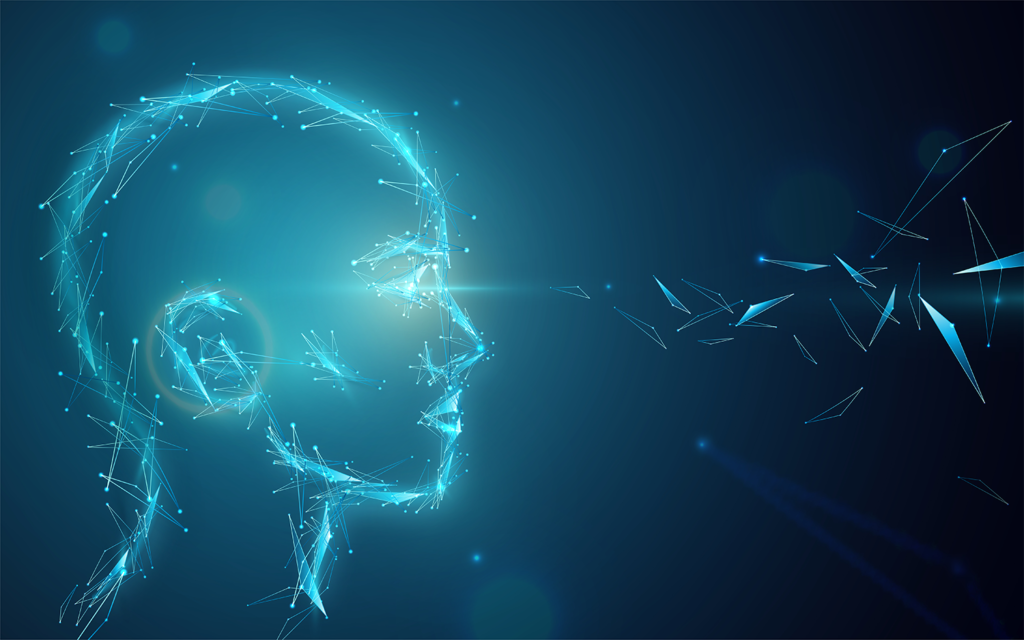
Technology and medicine go hand in hand, having followed parallel paths for decades. Technological advances are reshaping the concept of health, and healthcare needs are influencing the development of technology. Currently, there are numerous methods for detecting and treating these types of diseases, but new challenges are emerging that must be addressed as we look to the future. That is why technological advances are providing medicine with new methods and tools for early diagnosis of a wide range of highly prevalent disorders. We’re talking about technological solutions based on computer vision.
By combining this type of technology with robotics, it is possible to create intelligent machines that greatly facilitate the diagnosis and monitoring of patients through individualized prognostic assessments. At Grupo Álava, thanks to our knowledge and expertise in computer vision, we can advise our clients so they can offer better solutions to society. Doctors can significantly improve the quality of their assessments in the early stages of these types of neurological and mental disorders, thanks to the development of systems that enable a diagnosis combining the analysis of eye and head movements with data from other sources, such as medical histories or physical examinations.