Specialized Article
Non-Invasive Technique for Materials Testing

To promote technological solutions for materials testing, Grupo Álava and [...]
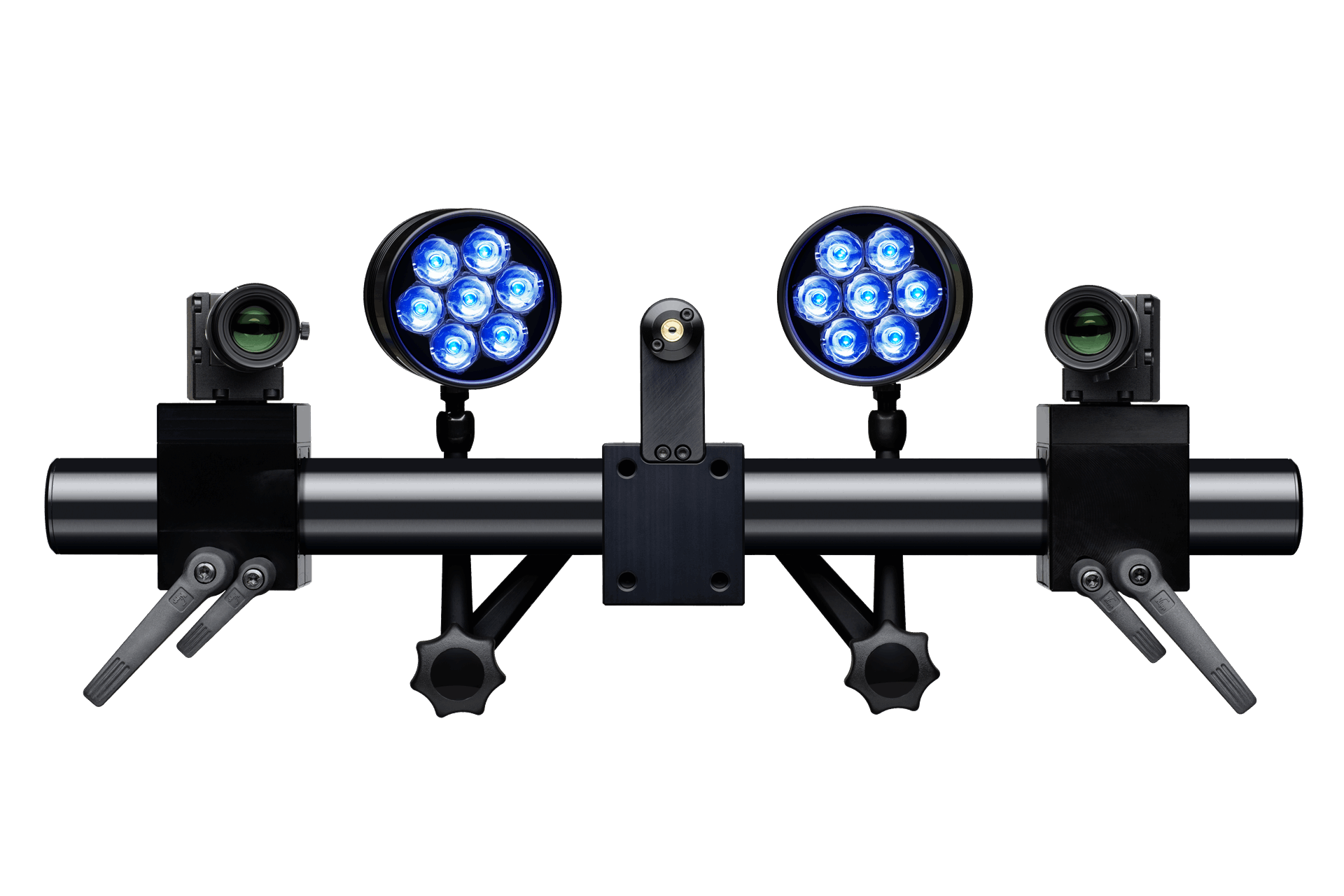
Digital image correlation, the fastest and safest noninvasive technique for 3D material testing
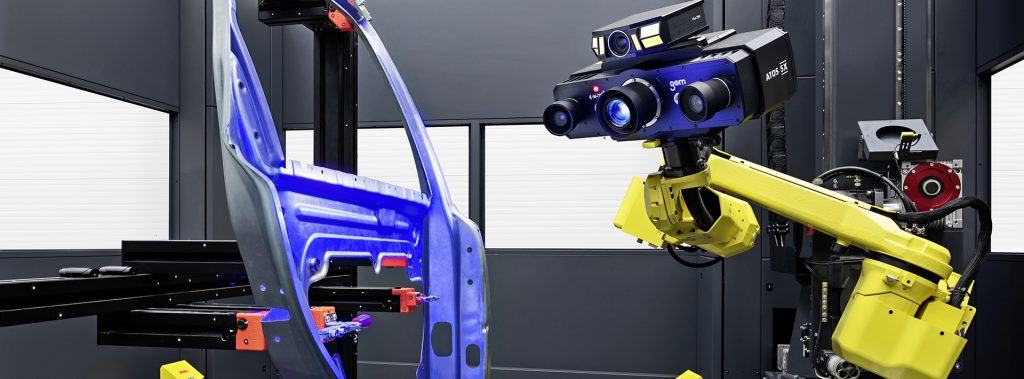
To promote technological solutions for materials testing, Grupo Álava and GOM Metrology (a Zeiss group) have signed a strategic agreement. This agreement will promote the digital image correlation solutions in the ARAMIS for measuring displacement, deformation, and stress. In addition, the ARGUS photogrammetry system is ideal for forming analysis.
Digital image correlation is a non-invasive, non-contact technique that allows us to determine the characteristics of a material or an entire object without interfering with its actual conditions.
One of its main features is that it does not limit the measurement range to the position of a strain gauge, but rather to the area corresponding to the field of view of one or more digital cameras.
This method allows us to obtain data from a portion of the object or even the entire object, avoiding unnecessary repeat testing and also providing much more accurate results.
The forming results are then compared with the Forming Limit Curve (FLC). This is a set of material parameter data that describes the maximum formability using a Forming Limit Diagram (FLD). This diagram can be created directly in the GOM Correlate Pro software .
The results of the diagram will indicate whether the areas are overdeformed or still within a certain safety margin. This provides crucial information for optimizing forming processes and validating simulations.
KEY FEATURES TO HIGHLIGHT:
- From an optical standpoint, the principle is simple. By using one or more cameras, consecutive images are obtained of the material subjected to some form of excitation.
- The video correlation software compares a reference image with the images captured during the test. Using advanced algorithms, the software displays object contours, displacements, stresses, and even vibration frequencies to the user.
- The system is compatible with cameras with a range of frame rates (from quasi-static to high-speed cameras). It is also compatible with microscopic systems and thermal cameras, allowing it to be used with any object regardless of its size or the speed of the test.
SHALL WE TALK? Please provide your contact information, and we’ll send you a technical white paper outlining the principles of image videocorrelation.