Specialized Article
Our Technology and the Volcán de la Palma

We are contributing our technology to help monitor, predict, and [...]
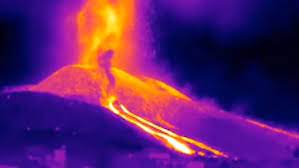
We are contributing our technology to help monitor, predict, and measure key factors in the research being conducted by the National Geographic Institute (IGN) and the Canary Islands Volcanological Institute (INVOLCAN) on the La Palma Volcano in the Canary Islands. We would like to extend our special thanks to the National Geographic Institute (IGN) for providing us with all the information and images.
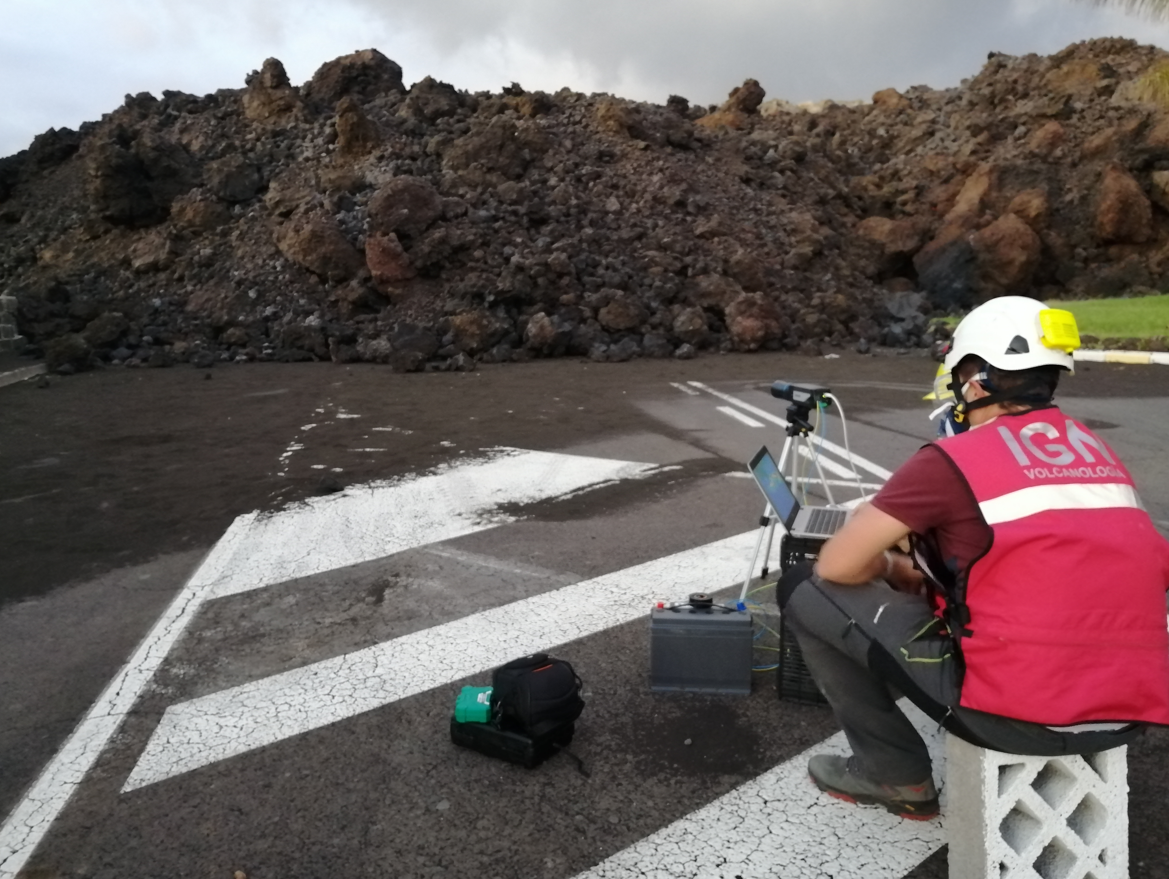
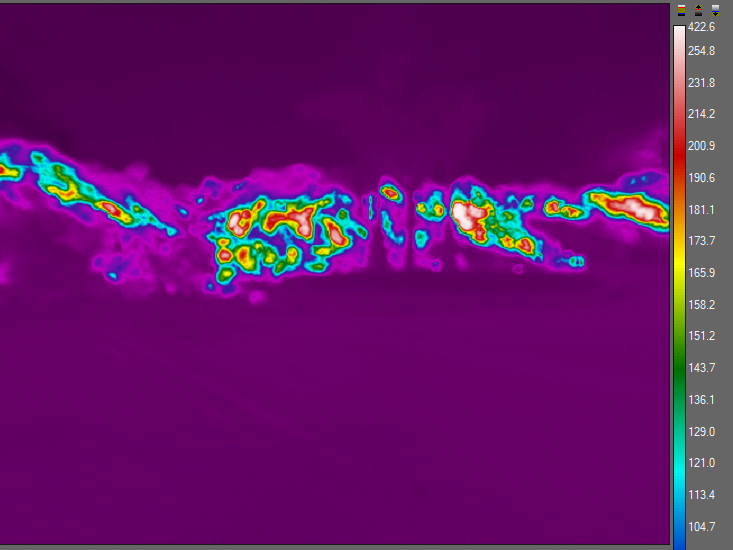
For their studies, they use high-precision thermal imaging cameras from Teledyne FLIR, technology supplied by Álava Ingenieros. Thanks to infrared technology, we can analyze the thermal image in great detail by taking precise temperature measurements of the flow, crater, or any other region of interest we deem relevant.
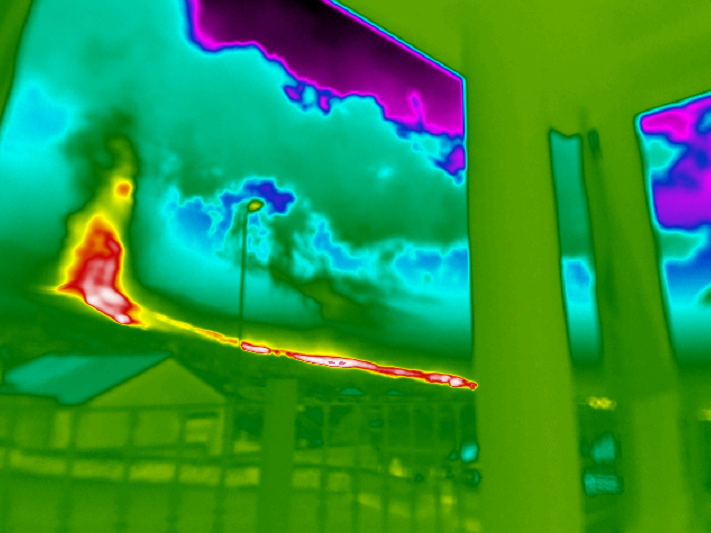
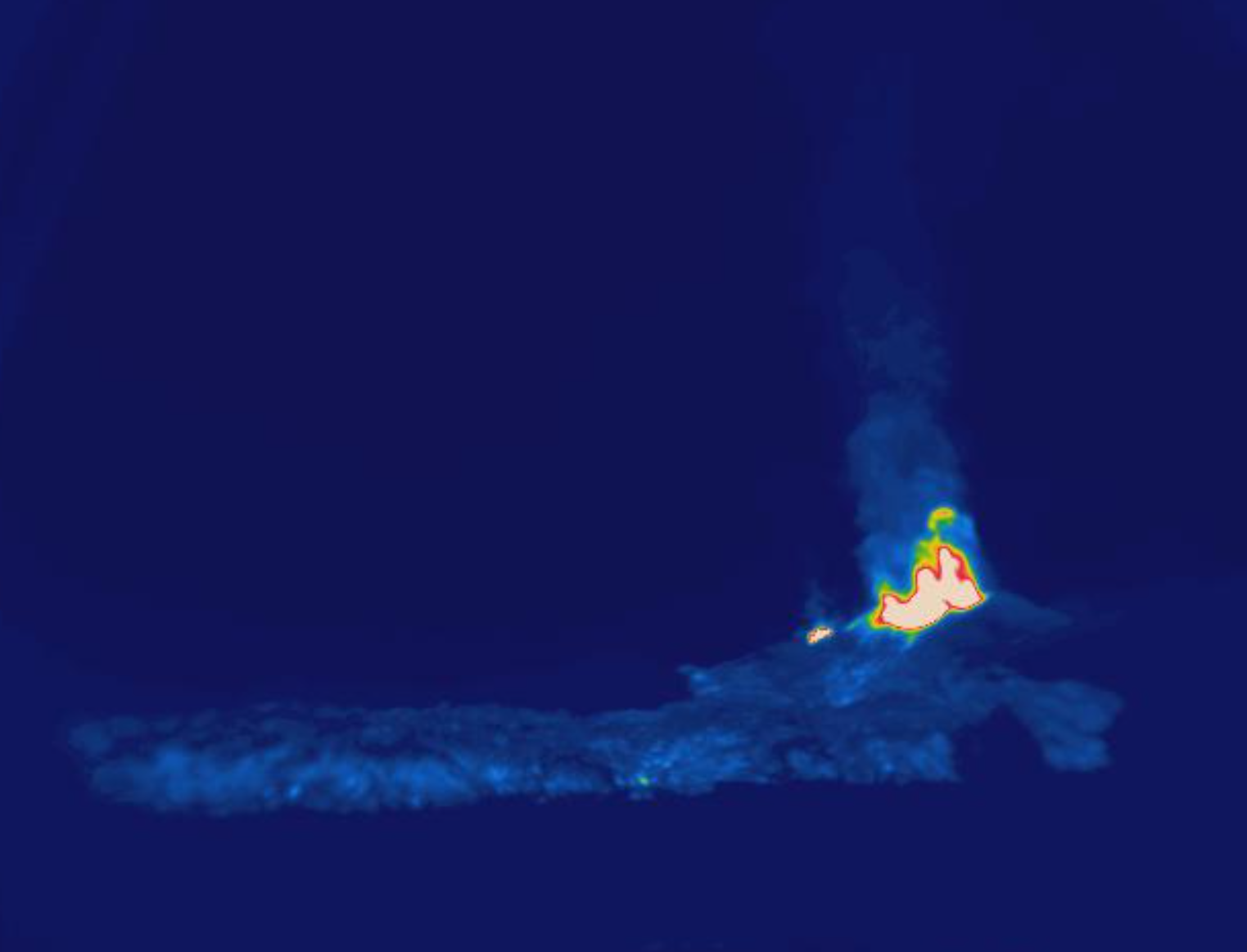
The thermal data collected will be used not only to determine temperature values but also to determine the spatial distribution of temperature. It will also be used to calculate heat flux and thermal energy emissions, as well as the volume of material emitted. This data is of great importance for research and highlights the danger present in nearby areas since, as can be seen, the temperature exceeds 400°C at some points.
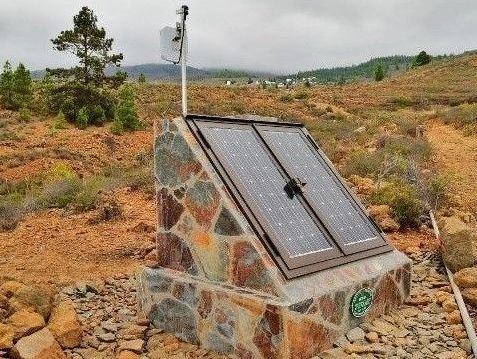
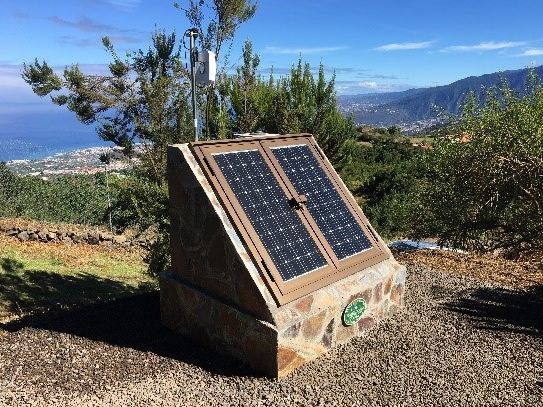
Álava Ingenieros installed 10 seismic stations that are part of the National Volcanic Seismic Monitoring Network, which are designed to issue alerts in the event of volcanic activity. In addition, they provide data to the National Seismic Network for the detection and localization of seismic activity throughout the country.
The stations are equipped with Radian broadband seismometers, designed for posthole and borehole deployments. They have a very wide tilt range: they can operate at virtually any angle. This capability, combined with their small diameter of just 55 mm, allows for easy ground coupling using sand, thereby eliminating the need for traditional anchors. The ultra-wide frequency response (between 120 s and 200 Hz) makes the Radian ideal for seismic monitoring at all scales.
In addition, the Minimus digitizers function as a surface interface unit for the Radian sensor, providing access to the status of the health monitoring sensor and instruments, as well as data communication, synchronization, and storage capabilities. It is particularly useful for early warning applications, as it supports the Common Alert Protocol (CAP) for automated emergency alerts. Both devices are provided by its technology partner, Güralp.