Specialized Article
The Special Microscope for CITIUS (University of Seville)

The Center for Research, Technology, and Innovation at the University [...]
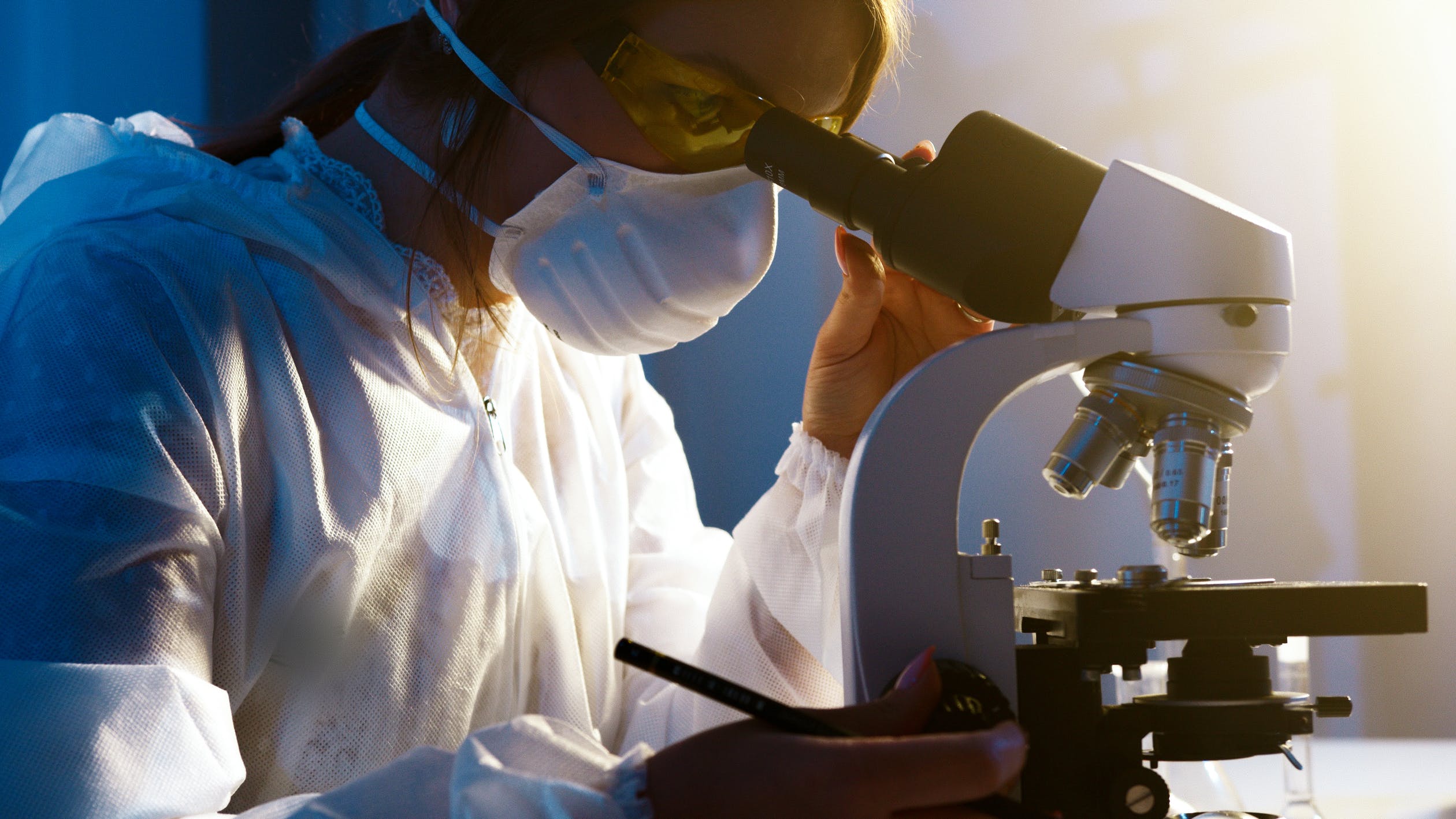
The Center for Research, Technology, and Innovation at the University of Seville (CITIUS) provides functional and instrumental support for research, technology, and innovation activities. It offers integrated solutions to real-world problems. It provides results from highly complex tests, makes high-performance facilities available to users, manages and coordinates research and innovation projects with companies, offers specialized courses, conducts scientific outreach, and much more.
The University of Seville established CITIUS in 2004 as a way to optimize the operations of its General Research Services, as part of a comprehensive strategy to strengthen the science-technology-business system.
CITIUS is, therefore, one of the key players in the University of Seville’s R&D&I efforts, providing support to the University itself, other public research organizations (OPIs), and companies. It provides access to state-of-the-art scientific and technological equipment.
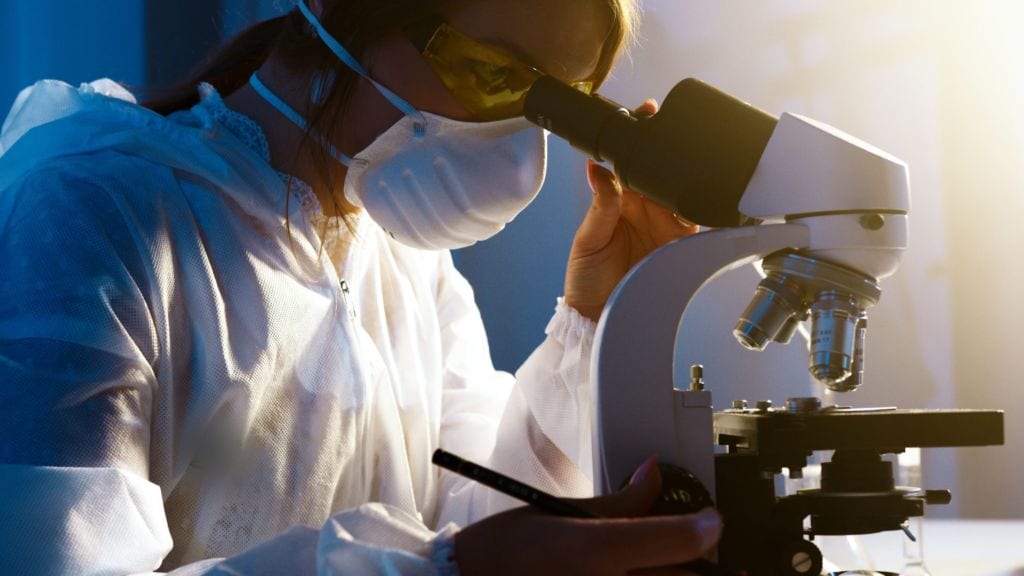
Within the Analysis and Testing department, it offers various services, including microscopy. It is a fundamental characterization tool in fields ranging from Materials Science and Engineering to Biology, as well as Archaeology, Pharmacy, Chemistry, and Medicine, among many others.
To this end, it has two laboratories equipped with the necessary equipment for preparing both organic and inorganic samples, as well as a wide range of microscopes employing various electron microscopy techniques (transmission, scanning, FIB, analytical techniques, etc.), optical microscopy (confocal, epifluorescence, interferometric), and atomic force microscopy (AFM/STM), making it, overall, one of the best-equipped facilities in Spain.
To complement all the microscopy technologies it already has, the university decided to partner with Álava Ingenieros and purchased a Raman microscope, a device for characterizing particles. Its main advantage is that it is a highly automated device, capable of taking measurements much faster than similar equipment. In this case, given its versatility, it will serve all researchers at the university.