Specialized Article
Electric Vehicle Battery Testing

Electric Vehicle Battery Testing System for Applus + Laboratories The [...]
Electric Vehicle Battery Testing System for Applus + Laboratories
The automotive industry is booming
Electric Vehicle Battery Testing System for Applus + Laboratories
“There’s no doubt that the future is electric. They’re here to stay.” – Volkswagen
The transition to eco-friendly and sustainable transportation models is now a reality. It is becoming increasingly common to see more and more drivers opting for electric vehicles.
In line with our commitment to the development of sustainable mobility, a key factor in the proper functioning of electric vehicles is providing companies and technology centers with testing systems that enable them to improve the performance and range of these vehicles’ batteries.
These solutions offer a high degree of automation and flexibility in routine tasks. As a result, they lead to increased productivity. All of this comes with the assurance that every parameter is under control at all times.
an approximation of reality
Recently Applus+ Laboratories has opened a new laboratory for testing electric vehicle batteries. Located at the Applus+ 3C Test testing center in the United Kingdom, it is dedicated to battery testing.
These tests are necessary to achieve the quality standards that various automotive manufacturers require for their products. They are also necessary to ensure compliance with the key regulations applicable to the product being tested, thereby guaranteeing proper operation and expected performance and preventing unforeseen failures.
Among the various types of tests that can be performed on these components, Grupo Álava specializes in all tests required by current regulations, whether at the cell, module, or—of course—“battery pack”level. These types of tests are typically delicate, as batteries can self-destruct. In the event of overheating due to malfunctions, they can become very dangerous to their immediate surroundings.
What solutions can Grupo Álava offer?
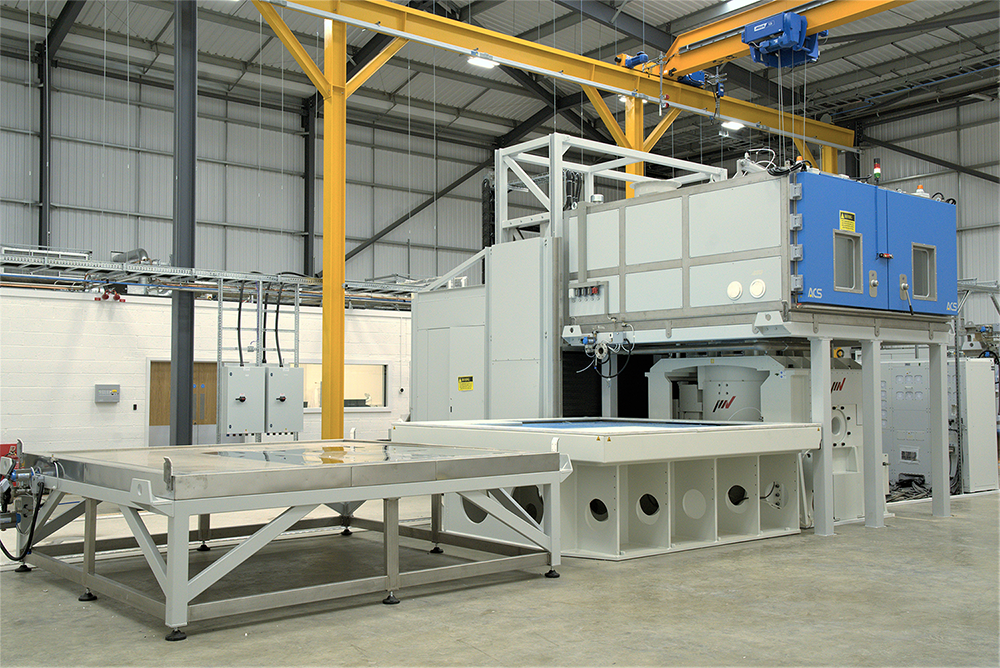
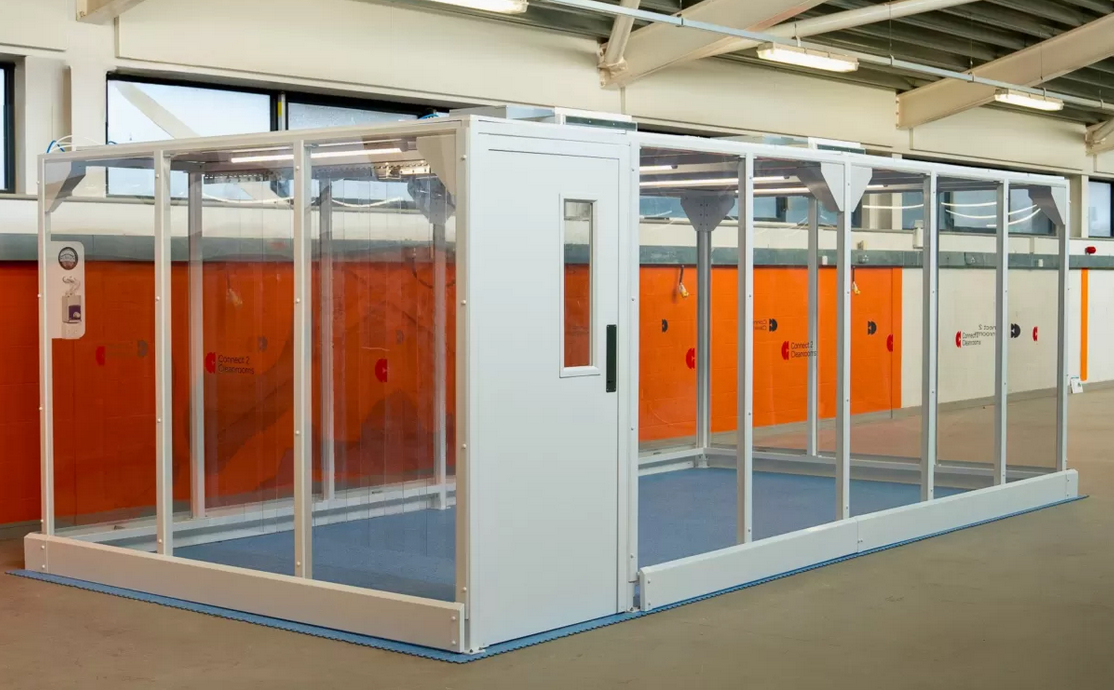
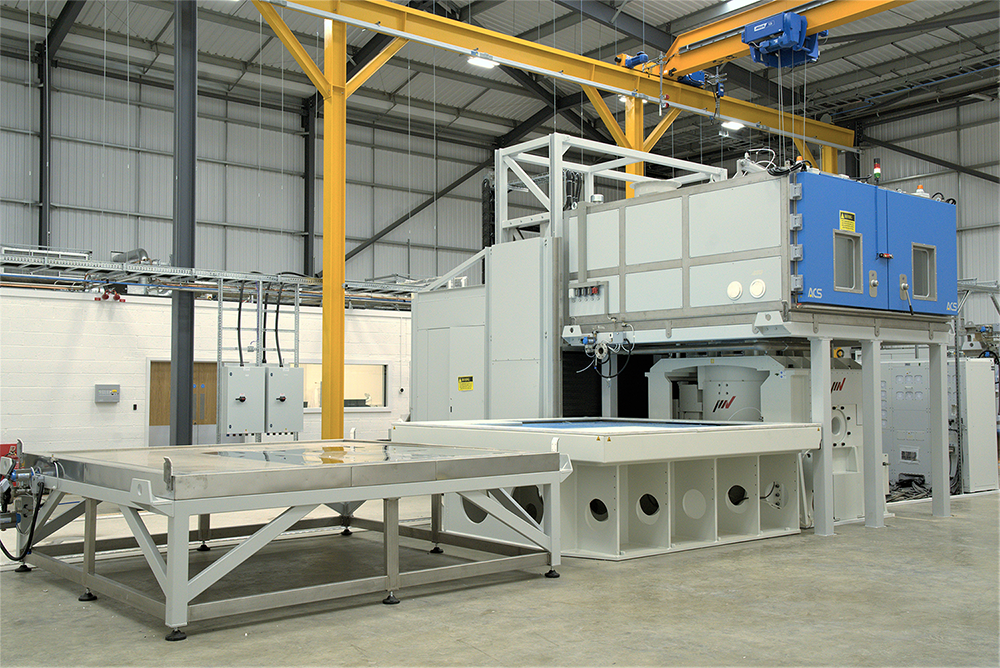
Specifically, we have equipped the laboratory with a system consisting of an integrated vibration system combined with a large climate chamber. This chamber serves a dual purpose: simulating climatic conditions and providing the appropriate safety and protection systems for battery testing under adverse conditions and/or malfunctions not covered by the test protocol.
The vibration system is designed to reproduce or simulate certain vibration profiles that are characteristic or representative of the manufacturer’s products; these profiles make it possible, in just a few hours, to induce the fatigue that the product will experience in its day-to-day use over the course of many years.
Meanwhile, the climate chamber is responsible for replicating physical parameters such as temperature and relative humidity (RH%), which, in combination with vibration, create the perfect environment for inducing the desired fatigue in the component under test. This same chamber is equipped with various types of sensors—such as O2,CO2, andH2 —to detect early on if something has happened or is happening to the battery and to determine whether any preventive or containment safety systems need to be activated.
By inerting the test chamber, the climate chamber allows testing to be conducted at extremely low oxygen levels, thereby increasing the safety of the test in progress and minimizing the risk of fire inside the chamber. If a sensor detects an increase in gas levels, the chamber’s built-in fire suppression system will be activated via pressurized water sprinklers or by venting harmful gases from the chamber.
We’re talking about a one-of-a-kind team
There are few systems like this one in all of Europe that can test battery packs as large as this one. The 11 m³ climate chamber has a temperature range of -50°C to 120°C. The shaker has a capacity of up to 200 kN for vibration testing (random and sinusoidal) and 600 kN for shock testing. This testing system meets the industry’s most stringent safety requirements.