Specialized Article
Thermographic Inspections at Substations

Why is thermography so important in substation inspections? Gorka Barayazarra [...]
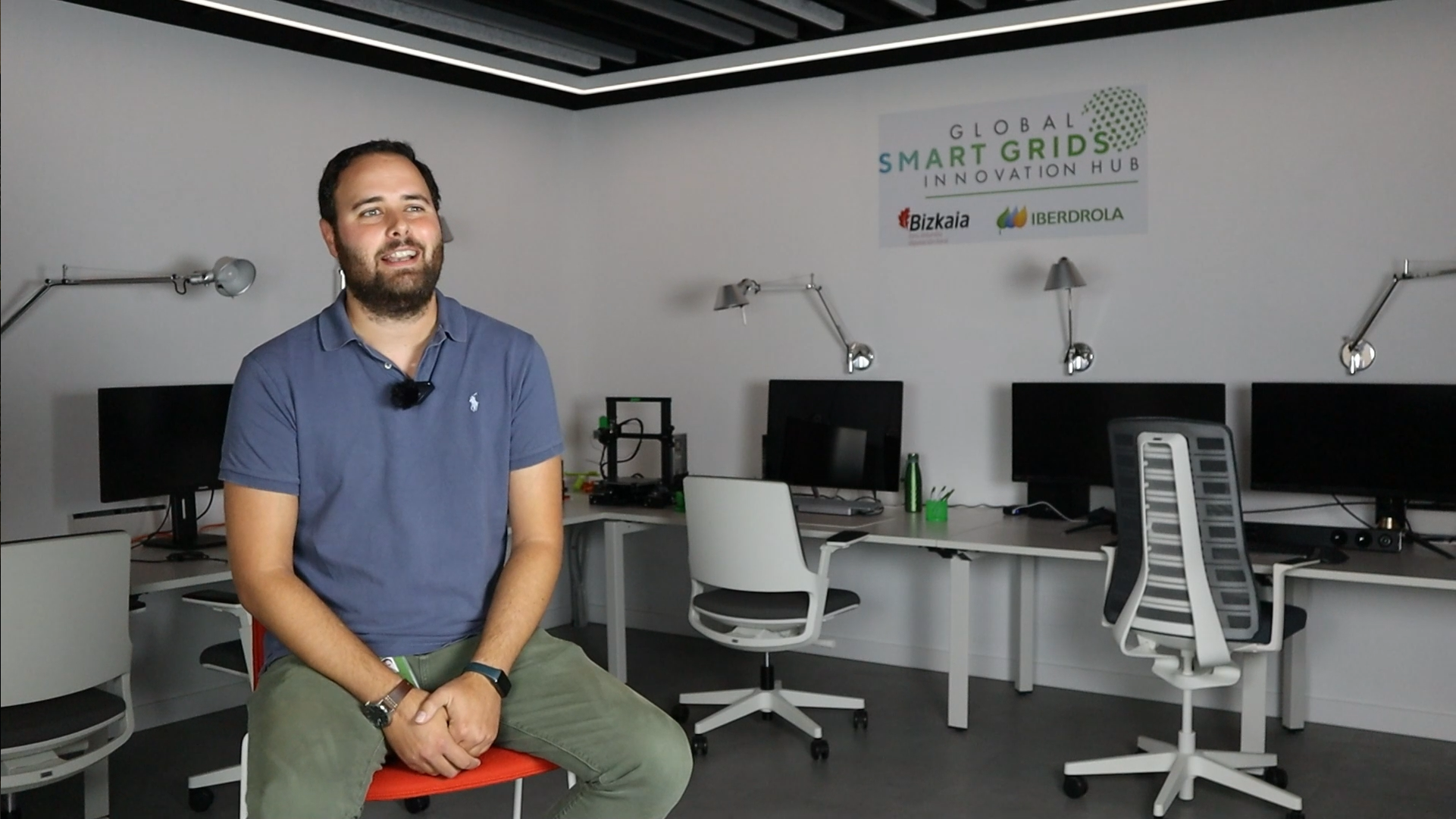
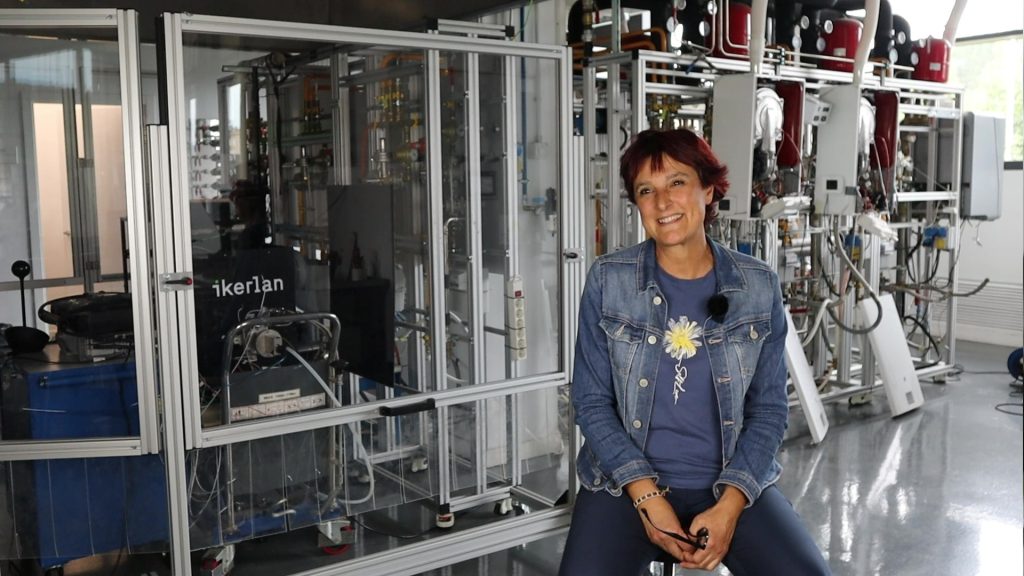
We interviewed Gorka Barayazarra, Integration Solutions Specialist at Iberdrola.
Why is thermography so important in substation inspections?
“Thermography is now a mandatory part of substation inspections. It allows us to identify potential failures in advance that might otherwise occur.” – Gorka Barayazarra, Integration Solutions Technician at Iberdrola.
Gorka Barayazarra has been an Integration Solutions Specialist at Iberdrola for more than 8 years; Iberdrola is a business group dedicated to the production, distribution, and sale of energy. Specifically, he works for i-DE (Iberdrola’s distribution company), focusing on mobility, innovation, and finding new, more efficient ways of working.
Grupo Álava has been collaborating with Iberdrola for many years on various projects, but in this interview, Gorka shares his personal experience. They use the Teledyne FLIR thermal imaging cameras we provide for inspections at substations. These cameras help identify hot spots in the low-voltage grid, which sooner or later can lead to a power outage.
FROM YOUR PERSPECTIVE AT iBERDROLA, HOW DO YOU THINK YOU CONTRIBUTE TO SOCIETY?
There are two sides to Iberdrola: Iberdrola in general, and—I believe—the vision it has demonstrated, for example, with renewable energy. At a time like this, with the war and all the uncertainty we’re facing, it has largely allowed us to show that this is the path to follow. It’s what we need to do—both for the planet and for ourselves, as a country, to ensure our energy security. I believe this is the right path.
And then, on the i-DE side, I think there are things we don’t appreciate—either because we’ve forgotten about them or because we take them for granted—such as the fact that when you flip a switch, the lights come on. The improvement in grid quality in recent years has been spectacular. This is largely thanks to technology, which has allowed us to greatly improve our reliability and provide a very good service. During the pandemic, for example, hospitals were given additional support. Furthermore, when a disaster strikes—something technology alone cannot resolve—we have a task force in the field and at control centers that goes above and beyond, and in the face of storms, floods, and other emergencies, they restore services in record time.
HOW DID THE PARTNERSHIP WITH GRUPO álava COME ABOUT?
We’ve been working with Grupo Álava since before I even joined the company. In my own experience—I’ve been with the company for 8 years—we started with thermal imaging cameras for mobility, back when that wasn’t quite as common yet. My first contact with Ángel Lezana and Grupo Álava was actually when we purchased the CATs with built-in cameras. They explained the hardware limitations and such to us, but it served us very well for testing what we could achieve with thermal imaging in our day-to-day work. Since then, Ángel has become a key point of contact for me, and whenever we have any questions of this nature—about thermography or technologies we’re not experts in (since we’re just users)—we turn to him.
Thermal imaging cameras make it possible to detect hot spots in the low-voltage power grid early on, which sooner or later could lead to a power outage.
How does GRUPO Álava’s solution benefit you?
In this case—I think it was about 2 or 3 years ago—we made a fairly large purchase of thermal imaging cameras for mobile devices, and it has benefited us in every way, because we really haven’t had any issues. I mean, we were able to talk to you, we got the cameras, and we’ve had excellent support —we’ve been able to ask any questions we had, even regarding training. So, we’re happy.
WHAT IS YOUR DAY-TO-DAY EXPERIENCE WITH THE PRODUCT?
We use the cameras for substation inspections. In other words, when we visit a substation—which we’re required to do at regular intervals—until now we had the option of using thermal imaging cameras for large equipment, but we often found that the batteries were dead or that the cameras weren’t being used, and it wasn’t something we’d incorporated into our regular routine. Now, however, performing a thermal imaging scan is a mandatory part of that inspection, and it allows us to identify potential failures in advance that would otherwise occur. In other words, it allows us to find hot spots in the low-voltage grid, which sooner or later could lead to a power outage.
Does this solution help you solve problems and improve processes?
Yes, it allows us to anticipate problems —and what’s more, these are problems that are invisible to the human eye, but thanks to the technology we’re using, we can visualize them and anticipate them before anything happens.
How would you describe your experience with Grupo Álava?
Well, my experience has always been positive. I’ve always had a very close relationship with you all. Whenever I’ve asked you a question, you’ve responded with kindness and expertise—which isn’t always the case. And so, to me, you’re a provider of solutions.