
THE CHALLENGE
Minimization of defects in the rolling process
Rolling mills, used in the metalworking industry to shape metals, are subject to vibrations that can affect the quality of the final product. Excessive vibrations can generate ripples and other defects in the rolled material. Controlling these vibrations is key to maintaining process accuracy and quality.
Implementation of Vibration Sensors
Vibration sensors are placed on critical rolling mill components to measure the frequencies generated during the rolling process. This data identifies variations that could indicate bearing problems, misalignment or imbalance.
Proactive Maintenance and Quality Assurance
Thanks to the information provided by the sensors, it is possible to make adjustments to the rolling mills before vibrations affect the final product. This not only optimizes the quality of the laminate, but also extends the service life of the equipment.
WHAT TO SOLVE THIS APPLICATION WITH
Preditec services for this application
Advanced analysis
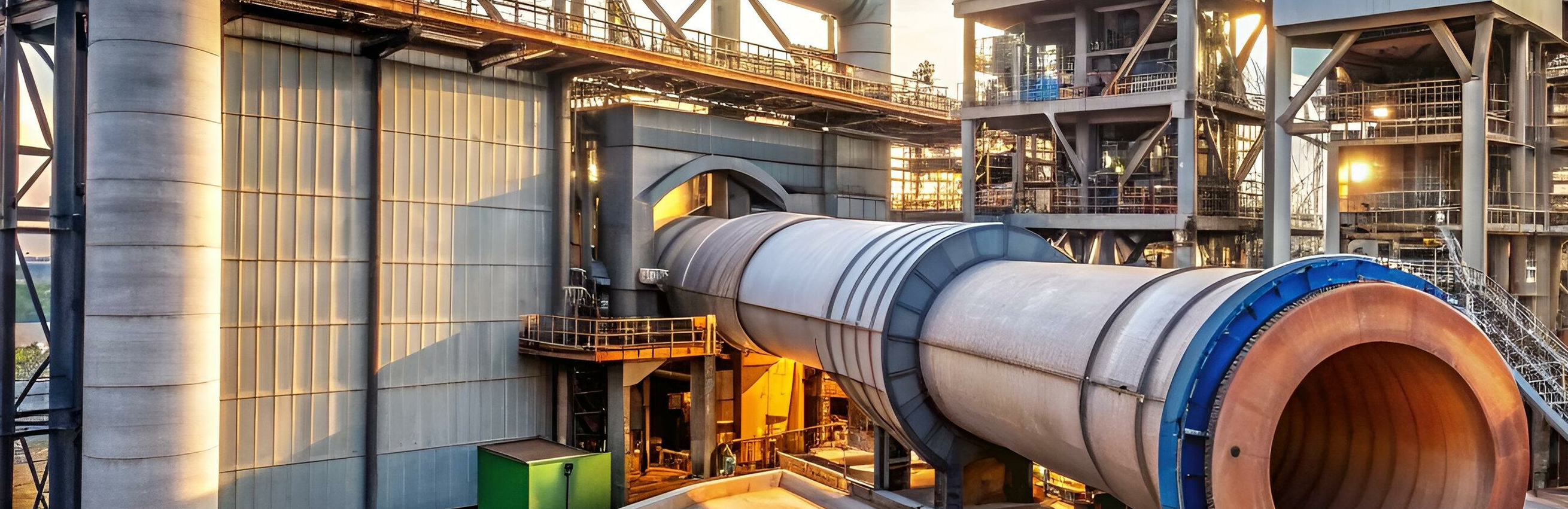
Machinery diagnostics is a key tool in predictive maintenance, as it allows to detect and prevent failures in critical equipment before they affect the industrial productivity and operability. It is used to analyze the condition of assets, optimizing their performance and extending their useful life. At Preditec, we offer advanced machinery diagnostics services, applying technologies such as vibration analysis, thermography, ultrasound and real-time monitoring, which are essential to ensure equipment reliability, avoid catastrophic failures and improve industrial maintenance management.
Vibration analysis and diagnosis
Preditec offers you its machinery vibration analysis and diagnosis service to identify the causes of machinery failures.
Preditec products for this application
RESULTS
Increased quality and efficiency in the metal rolling process
Vibration monitoring in rolling mills ensures a highly accurate process, reducing defects in final products and optimizing operational efficiency. This results in improved product quality and reduced maintenance and waste costs.