

KEYS TO THIS INDUSTRY
Reduced downtime and increased production in the paper industry
The application of predictive maintenance systems, both portable vibration data collectors and modern on-line monitoring systems, is well proven in the paper industry.
The following are the critical points where it is advisable to sensor the machines in order to continuously monitor their status.
This is perhaps the most critical area of the paper machine because of its influence on paper quality. Vibration monitoring will provide information on the condition of:
- Bearings.
- Lubrication.
- Cylinders and rollers.
- Fabrics.
- Drives.
RELEVANT FIGURES
Learn some facts about the paper industry
WHAT WE OFFER
Everything the paper industry could need
- Products
- Training
- Services





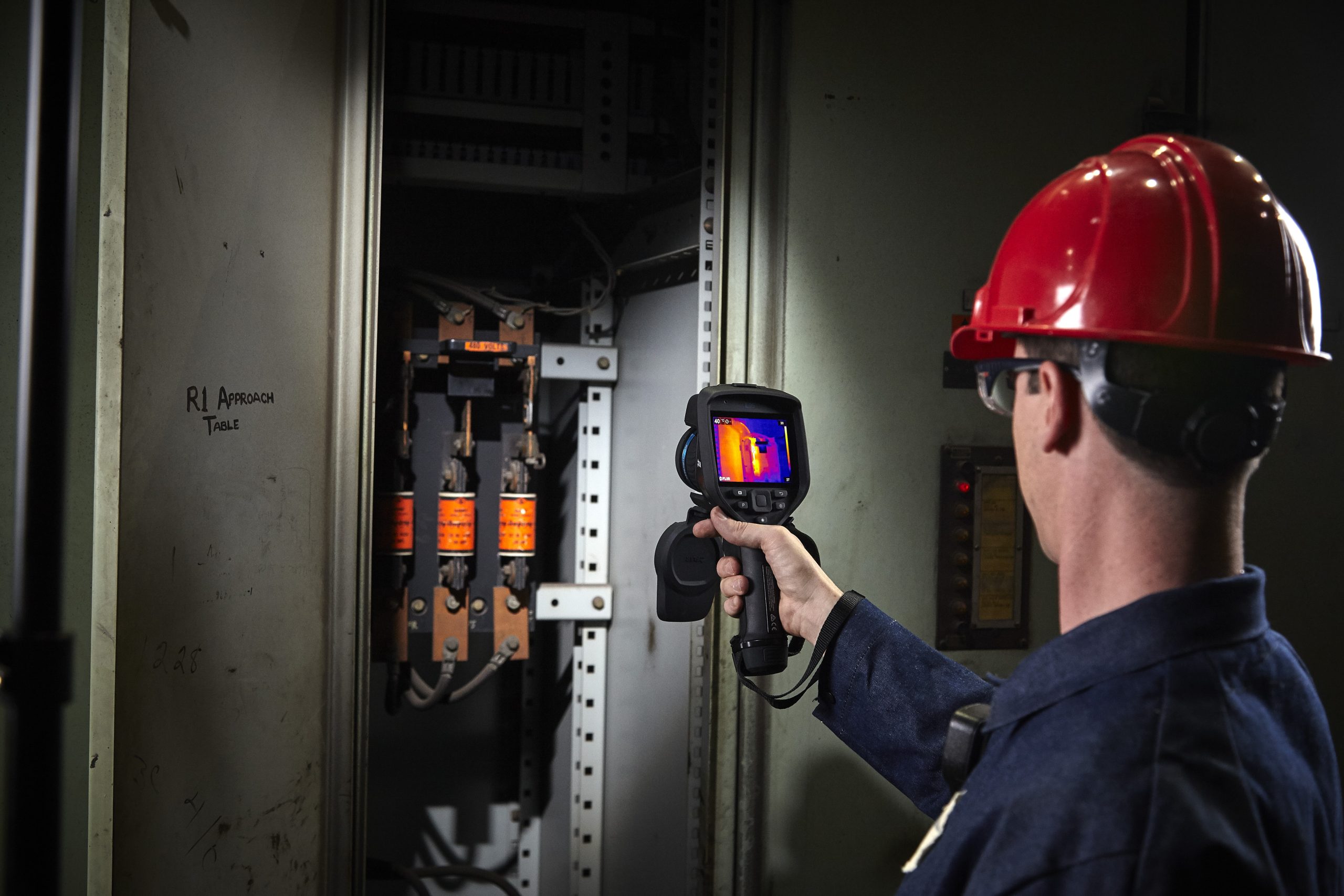
Thermographic Inspection Courses
Train in the use of infrared thermography for early detection of failures in industrial equipment and systems. Learn how to interpret thermal images to optimize predictive maintenance and improve operational efficiency. Some courses are certified by ITC - Infrared Training Center, guaranteeing international recognition.

Maintenance management courses
These courses provide the tools and strategies to optimize the planning, execution and control of industrial maintenance. Learn how to improve equipment availability, reduce costs and apply methodologies such as predictive and condition-based maintenance for efficient and operational reliability oriented management.
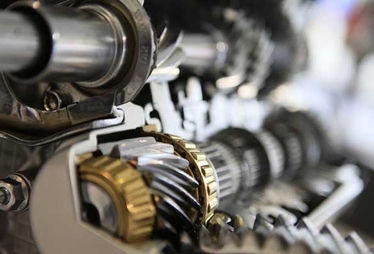
Lubrication courses
Provides essential knowledge for effective lubrication management in industrial machinery. Learn how to select, apply and monitor lubricants to reduce wear, improve efficiency and extend equipment life. Our courses will help you optimize maintenance and improve operational reliability.

Machinery diagnostics courses
Provides the key methodologies and tools to detect, analyze and prevent failures in industrial equipment. Learn how to interpret vibration data, ultrasound and other parameters to optimize maintenance, reduce downtime and improve the operational reliability of your machinery.

Predictive maintenance
Predictive maintenance is an advanced strategy for detecting incipient failures in industrial equipment before they become serious failures. It is used to optimize production, reduce downtime and minimize maintenance costs, and is key in sectors such as energy, automotive, petrochemical and manufacturing.
At Preditec, we offer basic and advanced predictive maintenance services designed to maximize the efficiency and reliability of industrial assets. Through vibration analysis, thermography, ultrasound and lubricant monitoring, we help our customers achieve greater competitiveness and reduced operating costs.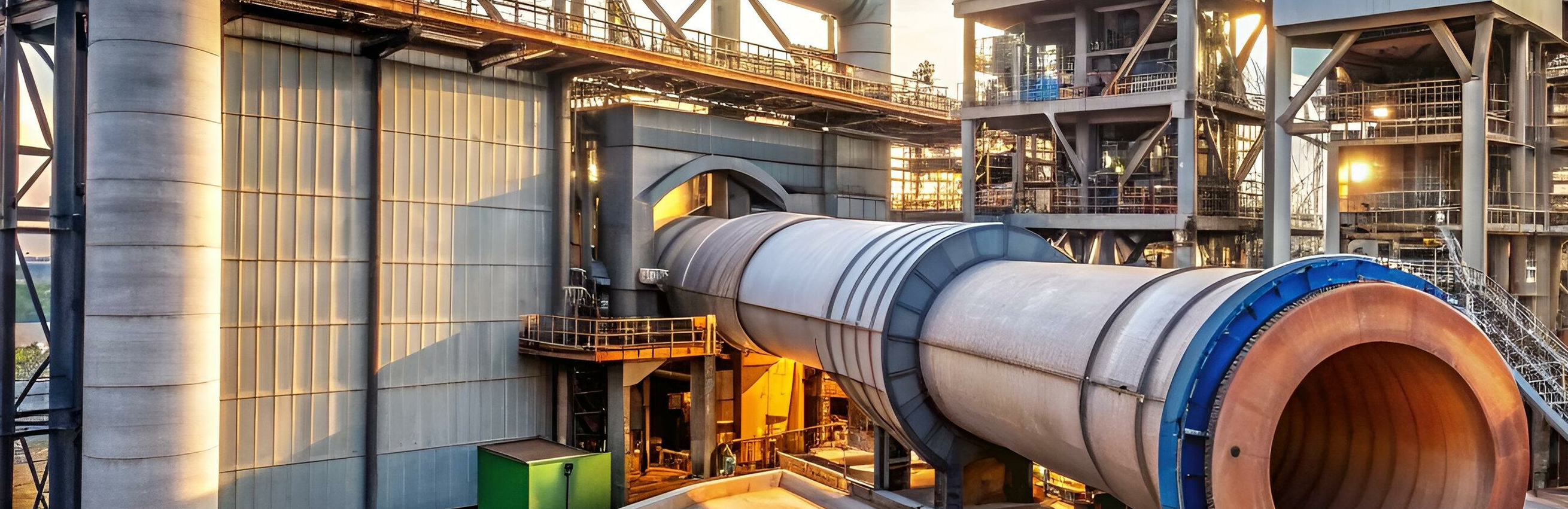
Advanced analysis
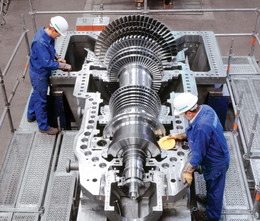
Machinery diagnostics is a key tool in predictive maintenance, as it allows to detect and prevent failures in critical equipment before they affect the industrial productivity and operability. It is used to analyze the condition of assets, optimizing their performance and extending their useful life. At Preditec, we offer advanced machinery diagnostics services, applying technologies such as vibration analysis, thermography, ultrasound and real-time monitoring, which are essential to ensure equipment reliability, avoid catastrophic failures and improve industrial maintenance management.
Maintenance of monitoring systems
The maintenance of monitoring systems is an essential process to ensure the correct operation of continuous monitoring systems in industry. These systems allow early detection of failures by measuring and analyzing parameters such as vibrations, temperature or pressure. Keeping them in optimal conditions is key to ensure the availability of machinery and minimize operating costs.
Preditec has a team of technical personnel specialized in the design, installation and commissioning of continuous monitoring systems.





CUSTOMERS
Who has already trusted Preditec?




More about the Paper
Benefits of predictive maintenance in the paper industry
Predictive maintenance in paper mills offers multiple operational and economic advantages. Thanks to the implementation of specific technologies, such as vibration sensors and online analysis, it is possible to monitor the condition of machinery in real time, optimize technical resources and reduce the total cost of maintenance.
Reduction of critical failures in cylinders and rollers
One of the most common risks in paper production is the failure of rolls or cylinders, especially in presses. Vibration monitoring in these areas makes it possible to detect misalignment, worn bearings or lubrication problems before they become serious failures that force the machine to stop for hours.
Optimization of the availability of key machinery
Continuous monitoring of the condition of paper machines by means of vibration analysis and intelligent sensors allows decisions to be made based on real data. This results in a significant improvement in the operational availability of equipment such as presses, dryers, motors or fans.
Efficient planning of scheduled shutdowns
With a well-implemented predictive system, it is possible to coordinate maintenance interventions with planned shutdowns, avoiding unexpected interruptions in production. The detection of incipient failures in areas such as the drying section allows to act proactively, reducing downtime and operating costs.
Improved end-product quality and waste reduction
Mechanical failures in rolls, bearings or drives can directly affect paper quality, generating marks, unwanted vibrations or surface defects. Predictive maintenance ensures process stability, reduces material waste and improves product uniformity.
Technological trends in predictive maintenance in the paper industry
Technologies applied to predictive maintenance have evolved to meet the specific challenges of the paper industry. Digitization, intelligent sensing and the integration of multiple parameters enable more accurate and reliable diagnostics.
Maintenance digitization and data-driven analysis
The incorporation of digital platforms facilitates the collection, analysis and management of data obtained through sensors. This allows historical tracking of asset status, automatic reporting and informed technical decisions, all within an Industry 4.0 strategy.
Sensors for continuous monitoring in hard-to-reach areas
In areas such as the drying hood, where high temperatures prevent manual inspection during operation, the installation of permanent sensors on the bearings is an effective solution. These devices allow continuous and safe monitoring, anticipating failures without the need to stop the machine.
Integration of vibration analysis with other critical parameters
In addition to vibration analysis on paper machines, data on temperature, pressure, energy consumption or lubrication can be integrated to obtain a complete diagnosis. This multi-technology improves fault detection capability and allows prioritizing interventions according to the level of criticality of the equipment.
Application of predictive technologies in auxiliary equipment
Pumps, fans, gearboxes and electric motors are also responsible for many unplanned stops in paper mills. The application of predictive techniques on these auxiliary equipment helps to reduce the number of corrective interventions and to guarantee the continuity of the production process.