
KEYS TO THIS INDUSTRY
The importance of predictive maintenance in the shipbuilding industry
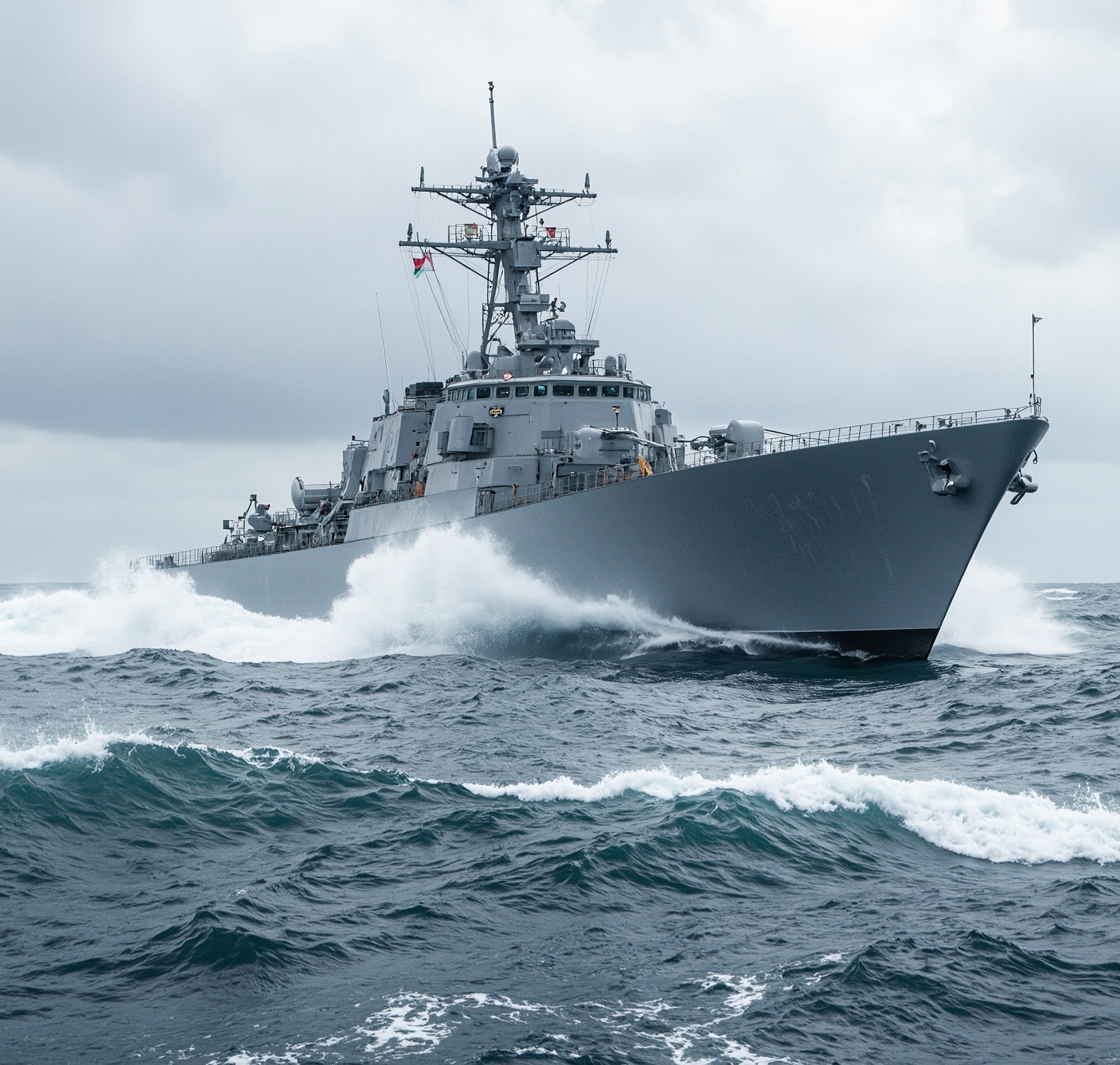
The shipbuilding industry is a strategic sector for the Spanish economy, representing approximately 3.5% of Galicia’s GDP and generating more than 14,000 direct jobs in the region.
In addition, the sector has experienced significant growth, with a 45% increase in hiring over the last three years, doubling the number of contracts recorded in 2020.
RELEVANT FIGURES
Learn some facts about the shipbuilding industry
WHAT WE OFFER
Everything the shipbuilding industry needs
It is a platform that concentrates all the information from predictive diagnostic systems in a single database accessible from any location.
- Products
- Training
- Services




Thermographic Inspection Courses
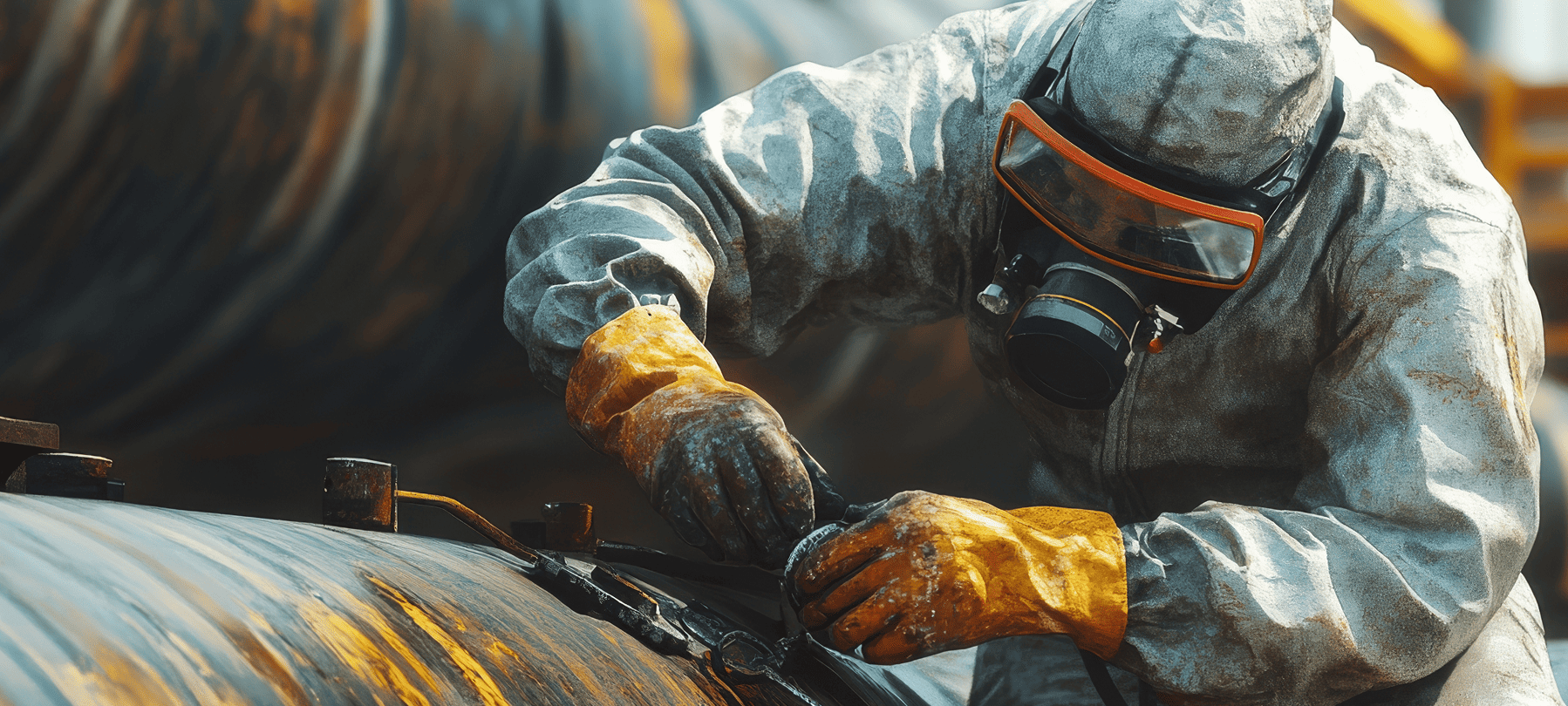
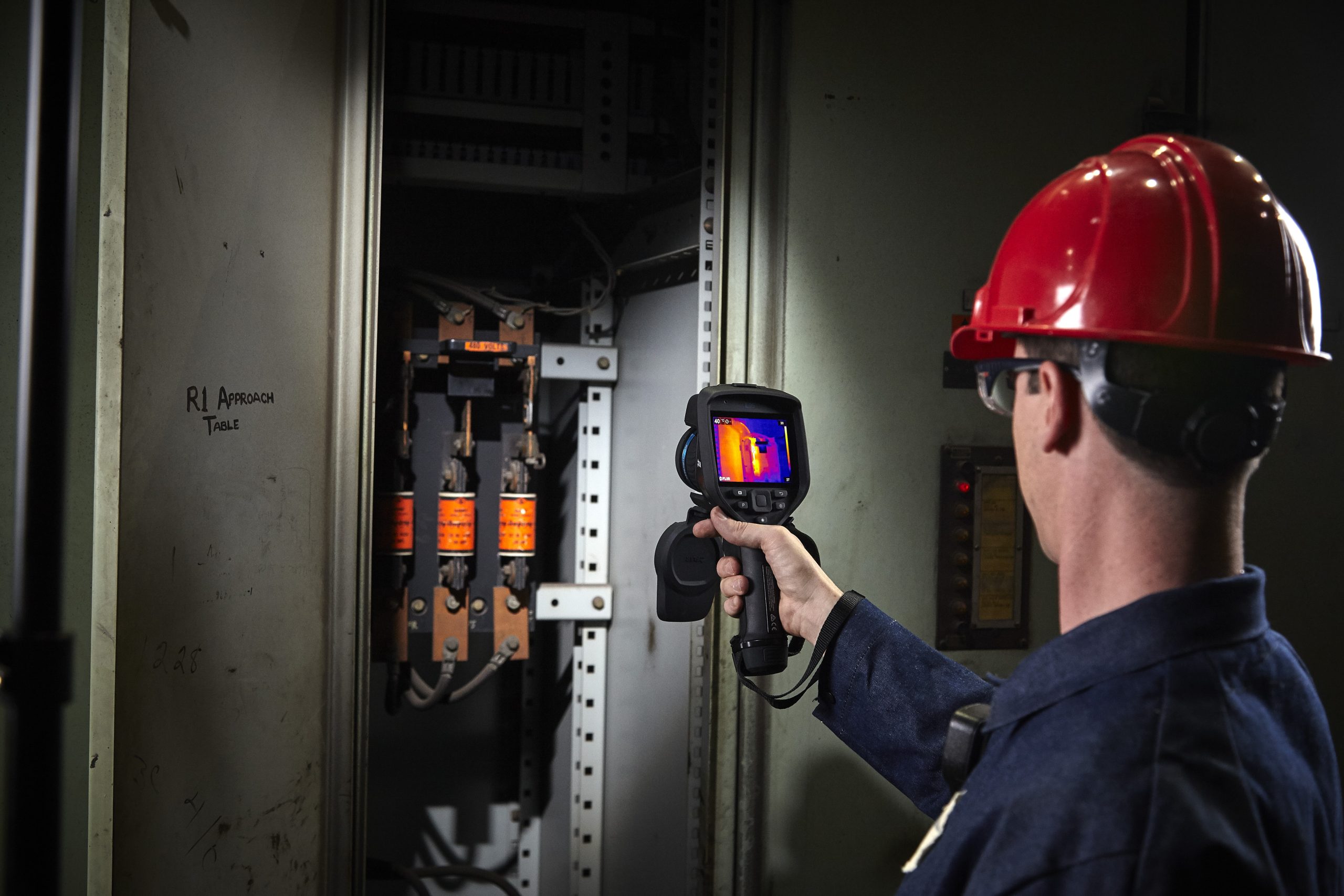
Train in the use of infrared thermography for early detection of failures in industrial equipment and systems. Learn how to interpret thermal images to optimize predictive maintenance and improve operational efficiency. Some courses are certified by ITC - Infrared Training Center, guaranteeing international recognition.

Maintenance management courses
These courses provide the tools and strategies to optimize the planning, execution and control of industrial maintenance. Learn how to improve equipment availability, reduce costs and apply methodologies such as predictive and condition-based maintenance for efficient and operational reliability oriented management.
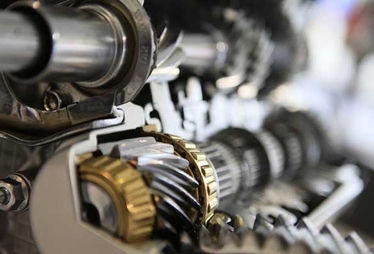
Lubrication courses
Provides essential knowledge for effective lubrication management in industrial machinery. Learn how to select, apply and monitor lubricants to reduce wear, improve efficiency and extend equipment life. Our courses will help you optimize maintenance and improve operational reliability.

Machinery diagnostics courses
Provides the key methodologies and tools to detect, analyze and prevent failures in industrial equipment. Learn how to interpret vibration data, ultrasound and other parameters to optimize maintenance, reduce downtime and improve the operational reliability of your machinery.

Predictive maintenance
Predictive maintenance is an advanced strategy for detecting incipient failures in industrial equipment before they become serious failures. It is used to optimize production, reduce downtime and minimize maintenance costs, and is key in sectors such as energy, automotive, petrochemical and manufacturing.
At Preditec, we offer basic and advanced predictive maintenance services designed to maximize the efficiency and reliability of industrial assets. Through vibration analysis, thermography, ultrasound and lubricant monitoring, we help our customers achieve greater competitiveness and reduced operating costs.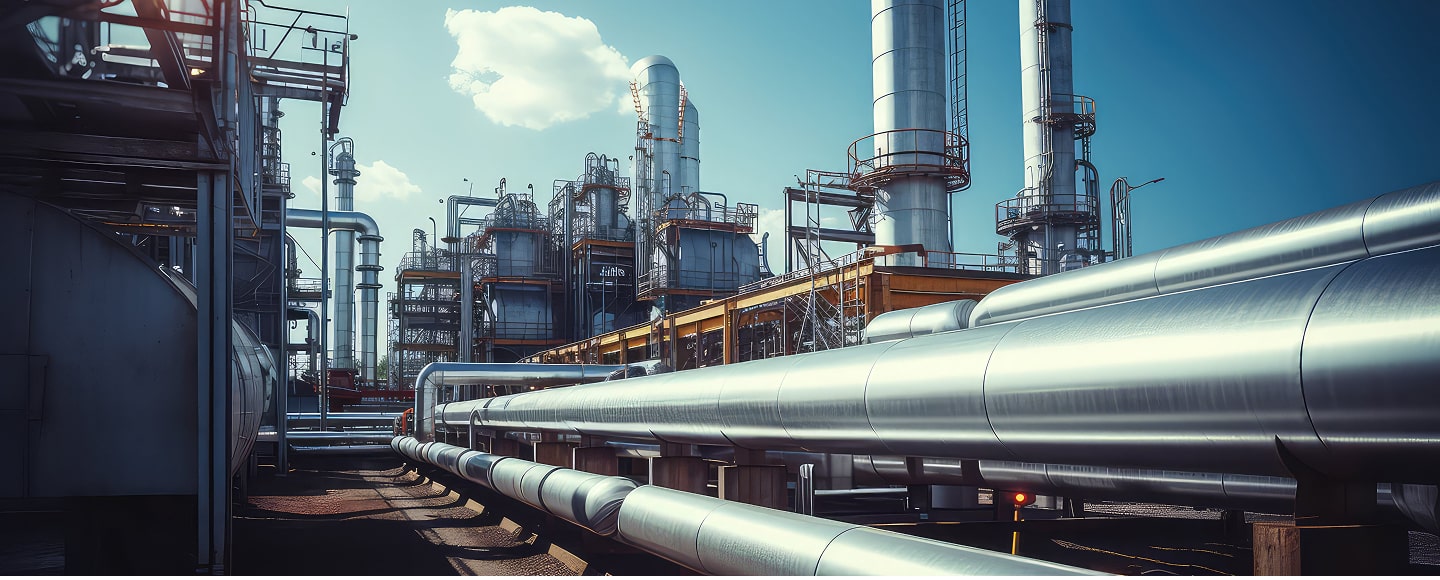
Maintenance reliability
At Preditec, we help industrial organizations transform their maintenance approach by implementing reliability-centered strategies. Our goal is to maximize asset availability, reduce operating costs and improve safety by applying methodologies such as Reliability Centered Maintenance (RCM), Root Cause Analysis (RCA), Criticality Management and Failure Mode Analysis (FMEA).
Advanced analysis
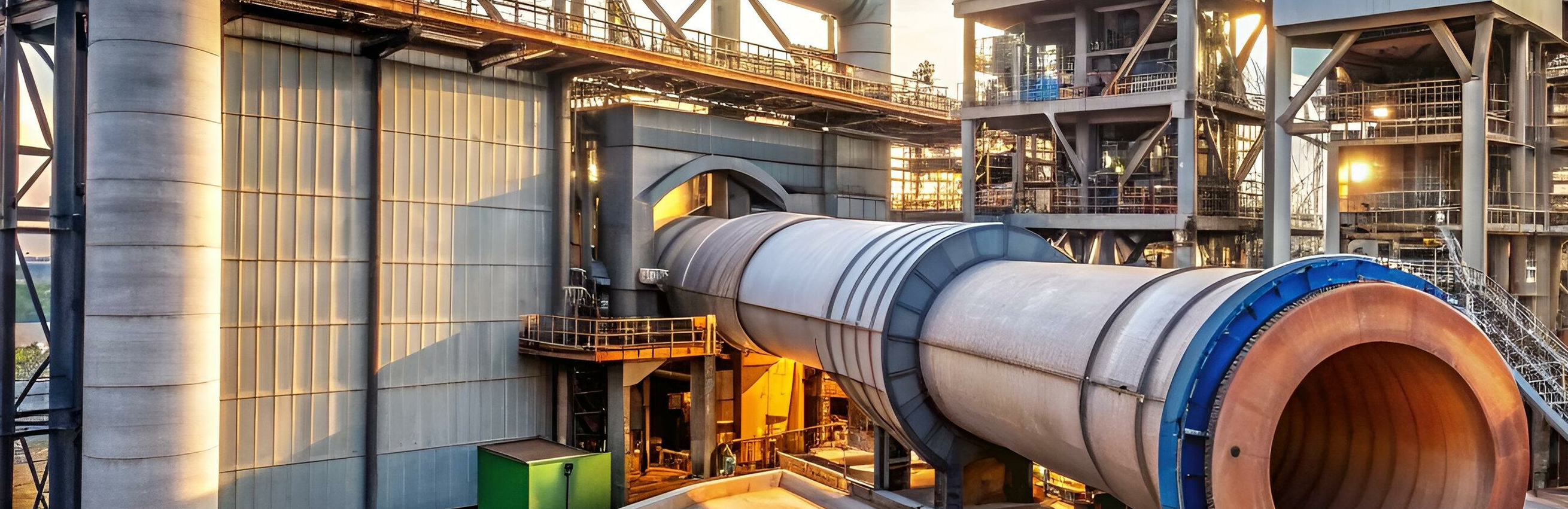
Machinery diagnostics is a key tool in predictive maintenance, as it allows to detect and prevent failures in critical equipment before they affect the industrial productivity and operability. It is used to analyze the condition of assets, optimizing their performance and extending their useful life. At Preditec, we offer advanced machinery diagnostics services, applying technologies such as vibration analysis, thermography, ultrasound and real-time monitoring, which are essential to ensure equipment reliability, avoid catastrophic failures and improve industrial maintenance management.
Maintenance of monitoring systems
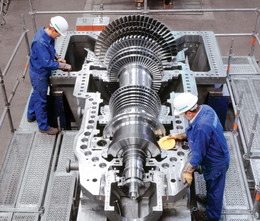
The maintenance of monitoring systems is an essential process to ensure the correct operation of continuous monitoring systems in industry. These systems allow early detection of failures by measuring and analyzing parameters such as vibrations, temperature or pressure. Keeping them in optimal conditions is key to ensure the availability of machinery and minimize operating costs.
Preditec has a team of technical personnel specialized in the design, installation and commissioning of continuous monitoring systems.




CUSTOMERS
Who has already trusted Preditec?
More about the industry Naval
Benefits of predictive maintenance in the shipbuilding industry
The marine industry requires solutions that ensure operational continuity and minimize mechanical risks in demanding environments. Preditec offers advanced technologies to monitor critical machinery in real time, improving decision making and reducing operating costs.
Reduction of downtime in ships and shipyards
Anticipating failures makes it possible to schedule interventions at strategic moments, avoiding unplanned shutdowns that could compromise projects, routes or services. Thanks to the condition analysis of motors, propulsion systems, compressors or pumps, operational availability is constantly improved.
Resource optimization and task planning
Predictive maintenance facilitates efficient planning of inspection and repair tasks. This translates into more efficient management of spare parts, technical personnel and scheduled shutdowns, reducing overall ship maintenance costs.
Increased safety and prevention of critical failures
Detecting mechanical anomalies before they lead to serious failures significantly improves crew and vessel safety. This preventive approach reduces the risk of accidents in critical systems such as turbines, shafts, gearboxes and generators.
Compliance with international maritime regulations
The use of predictive technologies helps to comply with international safety and environmental standards, such as those required by the IMO or classification societies. This avoids penalties, facilitates inspections and reinforces the shipowner’s or shipyard’s image of compliance.
Technologies applied to naval predictive maintenance
The specific conditions of the maritime environment require robust, accurate and connected solutions. Preditec applies technologies designed for marine machinery monitoring, ensuring reliable results in complex environments.
Vibration analysis in naval machinery
Vibration monitoring can identify misalignments, imbalances, bearing failures or gear defects. It is applied to main engines, thrusters, pumps and other key rotating systems on board.
Sensors for critical onboard systems
The installation of intelligent sensors at strategic points (shafts, propulsion systems, generator sets, ventilation, etc.) makes it possible to capture data in real time and detect variations in equipment behavior, even under extreme conditions.
Integration of digital platforms for monitoring
Preditec integrates data collection and analysis systems with digital platforms to visualize equipment status from the ground or onboard. These solutions can be connected to maintenance management systems (CMMS) and SCADA, providing a global view of fleet status.
Fleet automation and predictive diagnostics
The application of machine learning algorithms and historical analysis makes it possible to automate fault diagnosis and generate early warnings. This is especially useful in fleets where centralized monitoring improves operational efficiency and reduces the cost per asset.