
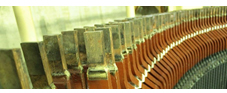
Rotary machines
The reliability of electric motors and generators depends to a large extent on the condition of their insulation. Insulation tests on rotating machines are essential in predictive maintenance, as they allow early detection of faults and prevent catastrophic electrical failures.
At Preditec, we offer specialized services in insulation testing, using advanced techniques to evaluate the integrity of the dielectric system and extend the service life of industrial equipment.
Methods and tools used in insulation tests
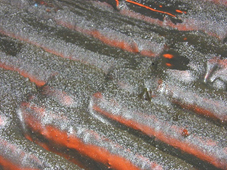
Insulation resistance and polarization index
Insulation resistance and polarization index allow the surface quality of the stator insulation to be evaluated. By applying a DC voltage to the winding under test, it is possible to detect if the machine is affected by moisture or contamination, conditions that can deteriorate the dielectric system.
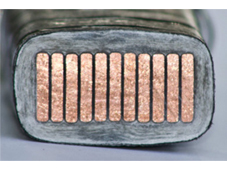
Geometric capacity of stator insulation
The analysis of the geometric capacity of the stator insulation is directly related to the thickness of the insulating wall. Its evaluation makes it possible to identify the internal degradation of the dielectric system and prevent failures before they affect the motor performance.
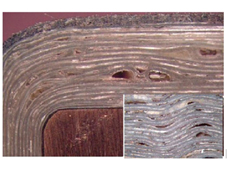
Polarization and depolarization tests on motors
Volatilization of the binder within the dielectric system generates cavities in the insulating wall. By applying a DC voltage, absorption currents caused by ionic impurities can be detected, providing key information about the heterogeneity of the stator insulation.
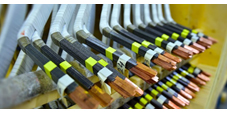
Delta tangent measurement in dielectric systems
Thermal aging of stator insulation causes dielectric losses over time. Factors such as overloads, poor cooling or high load cycles accelerate this deterioration. The measurement of tangent delta and tip-up allows detecting this wear and anticipating the need for corrective interventions.
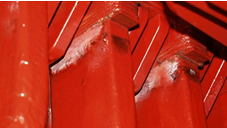
Partial discharge detection in electrical machines
Partial discharges are small pulses of electrical current that occur due to insulation degradation from factors such as load cycling, loose windings and contamination. These discharges are an indication that the insulation is suffering internal damage and needs immediate attention.
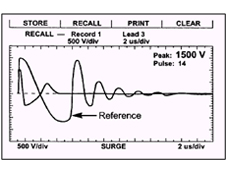
Impulse test (Surge Test) on windings
At low frequencies, the skin effect in the conductors causes efficiency losses. To counteract this, an insulation between turns is used. The Surge Test makes it possible to detect short circuits between turns, preventing localized overheating and degradation of the main insulation.
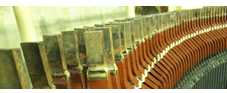
Winding resistance measurement in motors
Factors such as galvanic corrosion and bad welds can generate hot spots in the dielectric system, causing direct ground faults. The winding resistance measurement allows detecting these anomalies before they affect the motor’s operability.
Preditec solutions for insulation testing on rotating machines
Insulation diagnosis and measurement service
- Performance of advanced tests for the evaluation of dielectric strength.
- Identification of thermal degradation and humidity in the stator insulation.
- Detailed report with corrective maintenance recommendations.
Specialized equipment for insulation testing
- State-of-the-art sensors for partial discharge detection.
- Winding resistance measurement and polarization test equipment.
- Advanced technology for impulse tests (Surge Test).
Implementation of predictive maintenance based on isolation
- Strategies for the optimization of electrical maintenance in motors.
- Implementation of continuous dielectric condition monitoring systems.
- Integration with predictive analytics platforms for efficient maintenance management.
Other services you might be interested in
More information about Rotary machines
What are insulation tests on rotating machines?
Insulation tests on electric motors and generators consist of the application of different electrical tests to evaluate the state of the stator insulation and the dielectric capacity of the system. These tests allow detecting problems such as humidity, contamination, thermal degradation and short circuits between turns.
Through the use of advanced technologies, critical parameters that indicate the health of the insulation can be analyzed and potential failures can be anticipated.
Benefits of isolation analysis in predictive maintenance
Reduced risk of electrical failures
- It allows the identification of incipient insulation defects before they cause critical failures.
- Avoid unexpected breakdowns that can lead to costly downtime.
- Reduces the risk of ground faults, improving operational safety.
Prolongation of the service life of the motors
- Early detection of faults makes it possible to intervene before the insulation deteriorates completely.
- Helps to schedule corrective maintenance without affecting production.
- Optimizes predictive maintenance management, avoiding premature replacements.
Optimization of energy efficiency
- Detects dielectric losses that can affect the electrical performance of the motor.
- Avoids unnecessary energy consumption due to insulation deficiencies.
- Improves engine performance, reducing premature wear.