
KEYS TO THIS INDUSTRY
Machinery monitoring in a process-critical industry
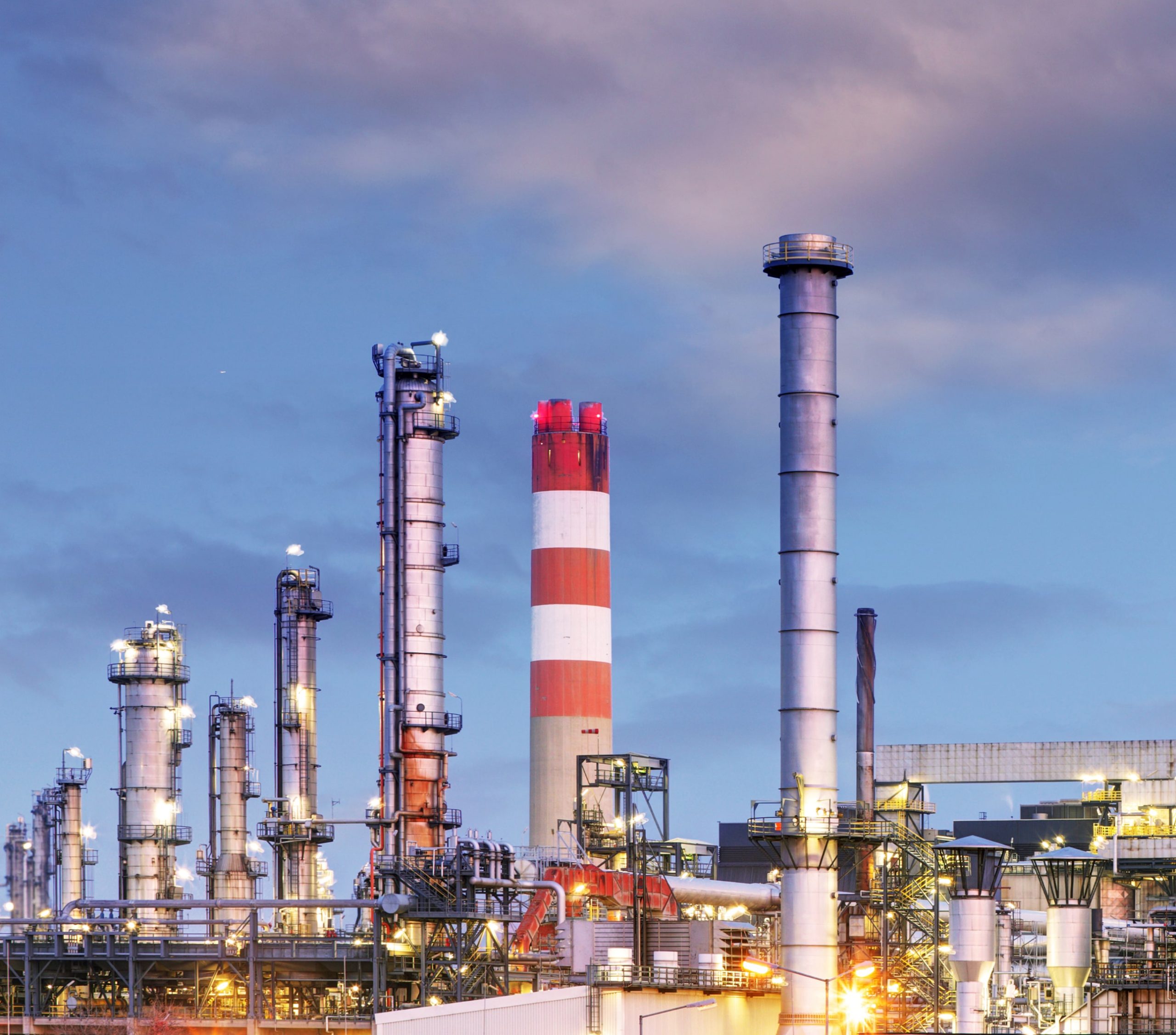
In the petrochemical industry, catastrophic failures can lead to the total destruction of the plant, due to the hazardous nature of the products processed. Loss of processed product can also occur if at the critical moment the mechanisms for transferring the product from one area of the petrochemical plant to another fail.
For years, petrochemical plants have had portable equipment for vibration data collection throughout the plant, as well as continuous measurement systems mainly applied to turbomachinery. The current trend is to apply predictive maintenance techniques to all critical machines, including turbomachinery.
Taking advantage of the existing instrumentation for machine protection, the vibration signal is taken from the existing panels and processed with modern systems capable of spectral analysis, phase, waveform, band analysis, Bode diagrams, cascade spectra, etc.
Critical machines in petrochemical plants are:
- Turbomachines
- Pumps
- Reciprocating and rotary compressors
- Gearboxes
- Fans
- Cooling towers
- Electric motors
RELEVANT FIGURES
Learn some facts about the oil & gas and chemical industry.
WHAT WE OFFER
Everything the oil & gas and chemical industry could need
- Products
- Training
- Services




Machinery diagnostics courses
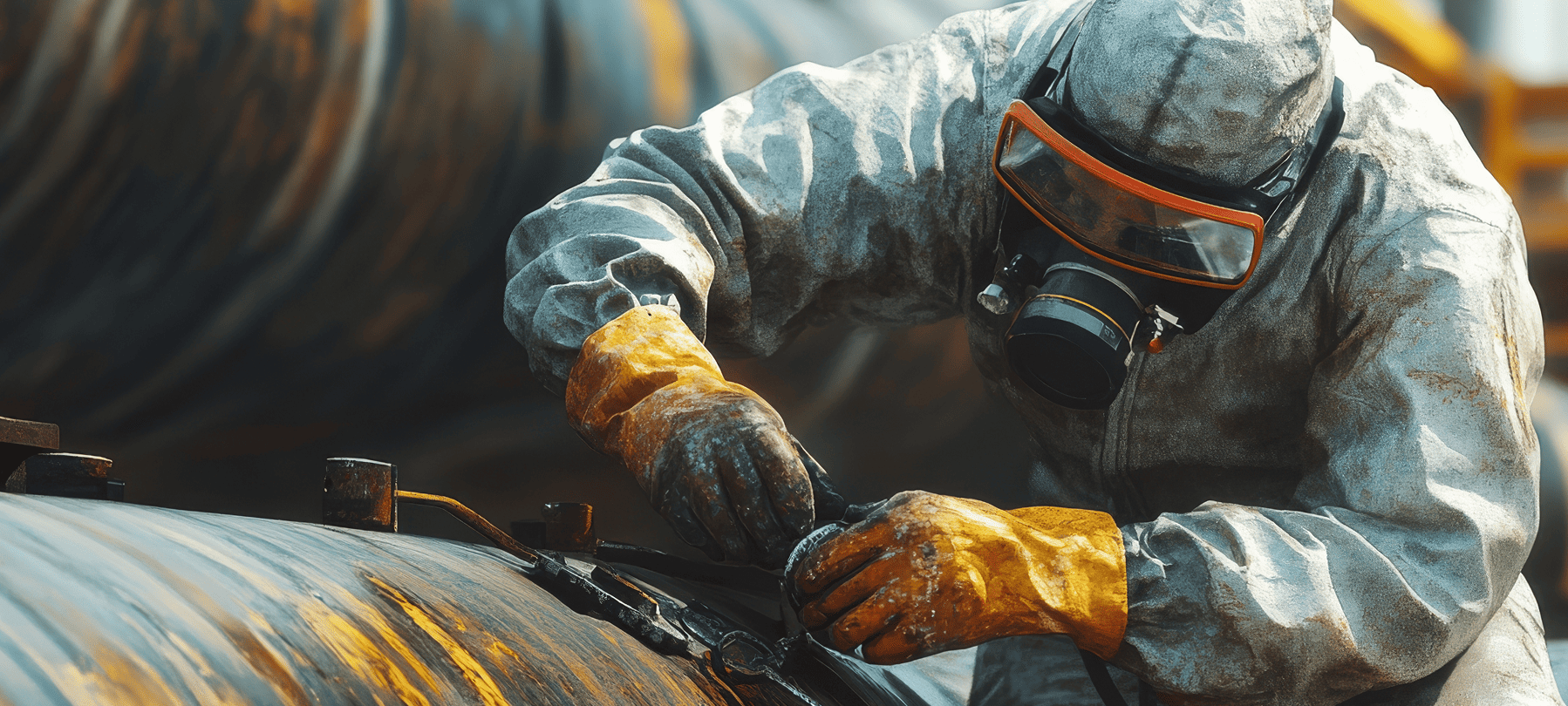
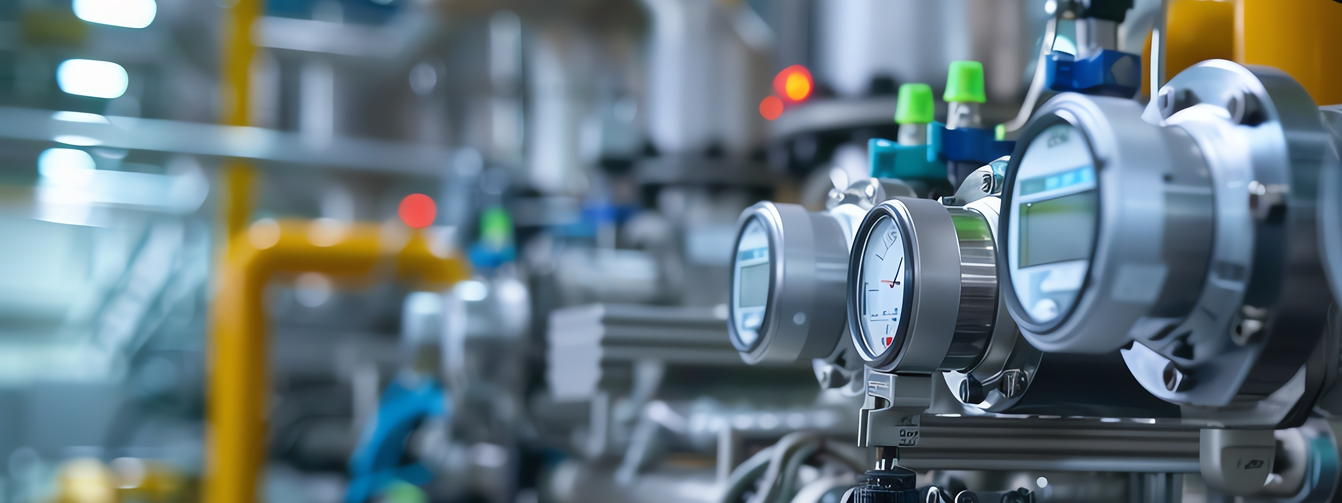
Provides the key methodologies and tools to detect, analyze and prevent failures in industrial equipment. Learn how to interpret vibration data, ultrasound and other parameters to optimize maintenance, reduce downtime and improve the operational reliability of your machinery.

Certification courses – Mobius Institute
Mobius Institute's official training in vibration analysis, ultrasound and reliability-based asset management, with internationally recognized certification. Delivered by expert instructors, these courses will enable you to develop key skills for fault detection and diagnosis, improving reliability and predictive maintenance in your industry.
Nothing Found



CUSTOMERS
Who has already trusted Preditec?




More about the industry Oil & Gas and Chemicals
Benefits of predictive maintenance in the petrochemical industry
Predictive maintenance applied to the petrochemical industry makes it possible to anticipate failures in critical equipment, optimize plant operation and ensure process safety. In environments where operational continuity and risk prevention are essential, having a data-driven strategy translates into a real competitive advantage.
Reduction of unscheduled shutdowns and operational risks
Unplanned shutdowns in petrochemical facilities entail significant economic losses and, in many cases, risks to the integrity of personnel and the environment. Continuous monitoring of machinery allows detecting anomalous behavior and acting before a breakdown occurs, avoiding unplanned shutdowns.
Improved reliability and availability of critical assets
The implementation of predictive maintenance technologies improves the reliability of assets such as turbomachines, pumps, compressors or fans. By monitoring key parameters such as vibration, temperature or ultrasound, maintenance planning is optimized and the operational availability of equipment is maximized.
Savings in maintenance and operating costs
A predictive strategy reduces the cost associated with urgent repairs, unnecessary spare parts or chain failures. It also allows for more efficient management of spare parts stock, the planning of scheduled shutdowns and the necessary technical resources.
Increased operational safety in high-risk environments
In the petrochemical industry, where flammable, corrosive or toxic substances are handled, any failure can have serious consequences. Early detection of misalignment, imbalance or loss of lubrication contributes directly to the prevention of incidents and improves industrial safety.
Technological trends in predictive maintenance for petrochemical industry
Technological evolution is transforming industrial maintenance towards more intelligent, connected and efficient models. Preditec incorporates these innovations in its solutions for the petrochemical sector, adapting to the current demands of digitization and operational reliability.
Industrial digitization and data-driven maintenance
The integration of real-time data collection systems and analytical platforms allows decisions to be made based on objective information. The digitization of maintenance processes improves the traceability of interventions, document management and strategic decision-making.
Artificial intelligence applied to condition analysis
The application of artificial intelligence and machine learning algorithms makes it possible to detect complex failure patterns and anticipate anomalies that might go undetected in conventional analysis. These technologies improve diagnostic accuracy and reduce reaction time to possible incidents.
Diagnostic automation through machine learning
By using models trained on historical data, predictive maintenance systems can automate much of the analysis, identifying anomalous behavior and generating automatic alerts. This not only improves efficiency, but also frees up technical resources for more value-added tasks.
Real-time remote monitoring and cloud systems
The ability to access monitoring data from anywhere via cloud platforms facilitates the remote supervision of multiple facilities. Preditec, through solutions such as Cloud Monitoring or iPdM, allows centralized management of predictive maintenance, reducing response times and improving technical coordination between teams.