
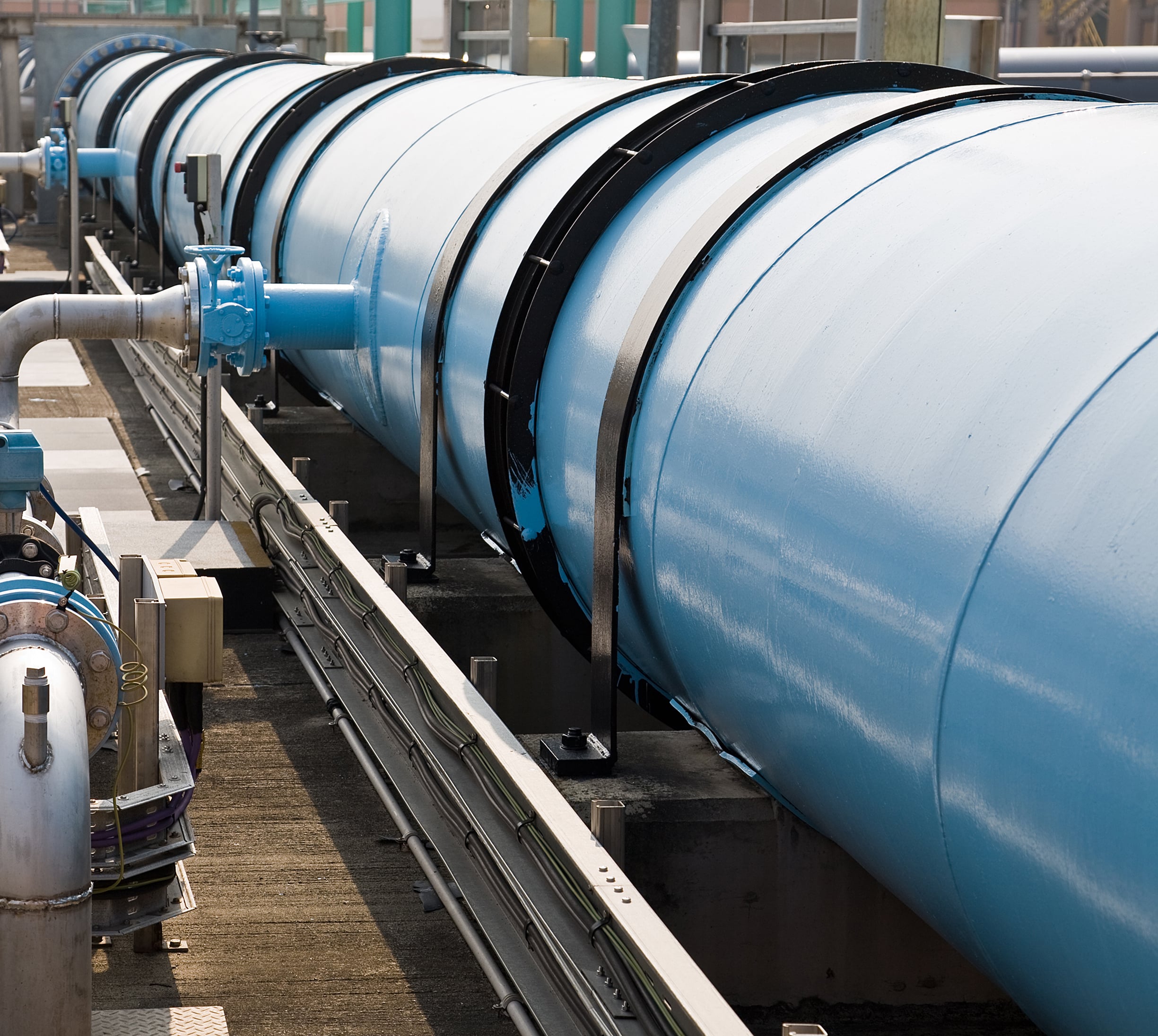
KEYS TO THIS INDUSTRY
Optimizing water resources and minimizing water supply interruptions
Efficient water management is essential for sustainable development and public health. In Spain, average household water consumption was 128 liters per capita per day in 2022, a decrease of 3.9% compared to 2020.However, challenges such as climate change, population growth, and aging infrastructure complicate water resource management.
RELEVANT FIGURES
Learn some facts about the water industry
WHAT WE OFFER
Everything the water industry could need
- Products
- Training
- Services



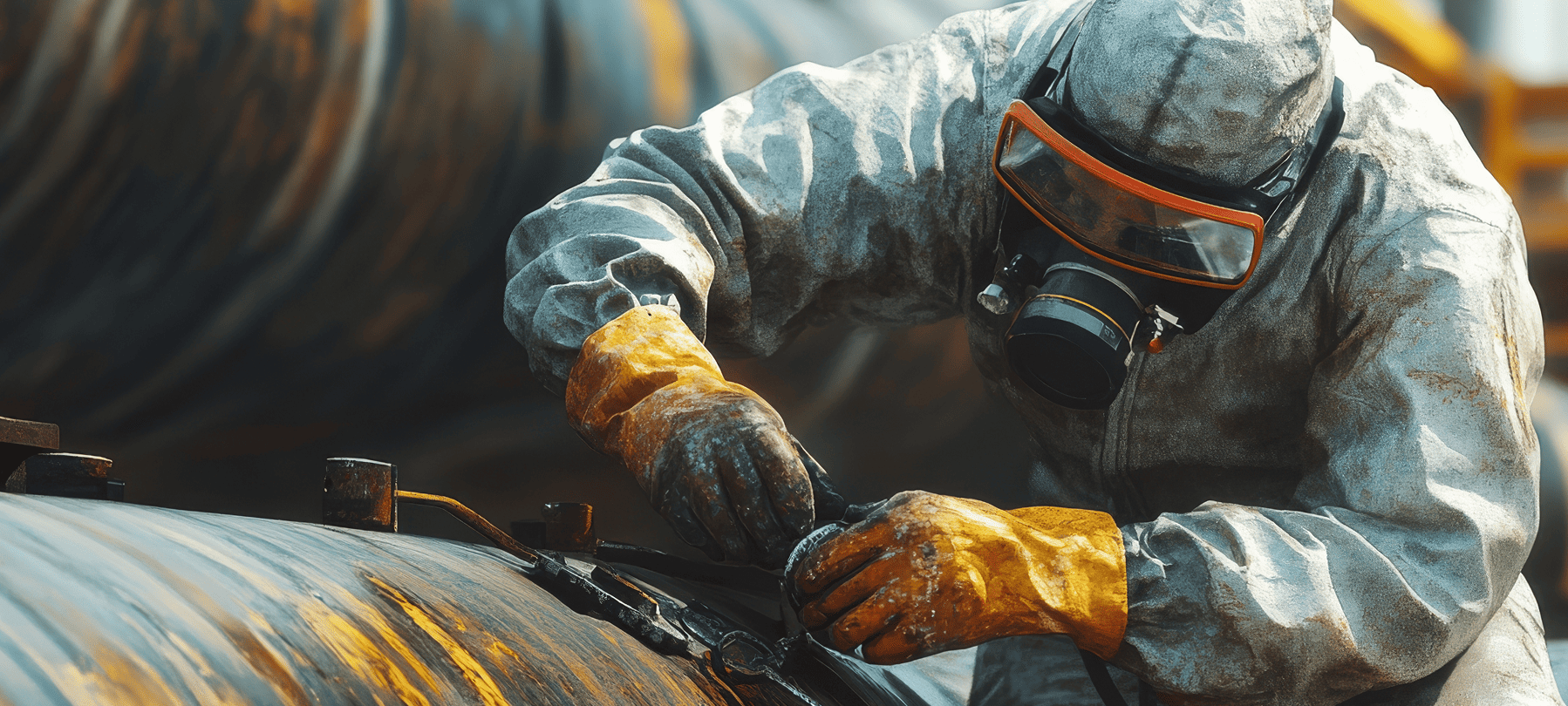
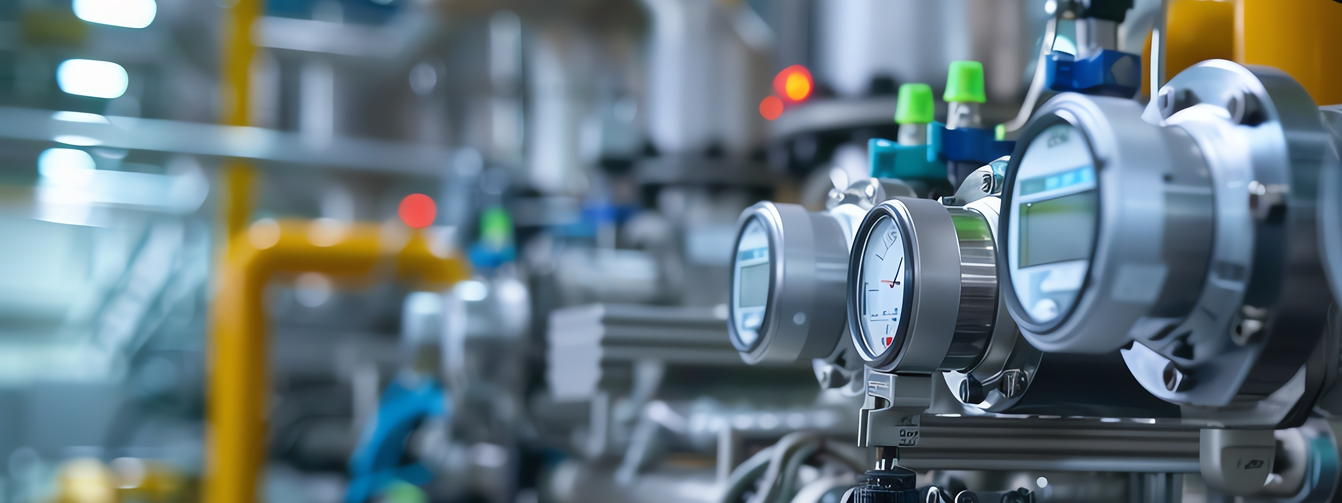

Machinery diagnostics courses
Provides the key methodologies and tools to detect, analyze and prevent failures in industrial equipment. Learn how to interpret vibration data, ultrasound and other parameters to optimize maintenance, reduce downtime and improve the operational reliability of your machinery.
Certification courses – Mobius Institute
Mobius Institute's official training in vibration analysis, ultrasound and reliability-based asset management, with internationally recognized certification. Delivered by expert instructors, these courses will enable you to develop key skills for fault detection and diagnosis, improving reliability and predictive maintenance in your industry.
Nothing Found



CUSTOMERS
Who has already trusted Preditec?

COMPLETED PROJECTS
Some of our realized projects for the water industry
More about the Water
Benefits of predictive maintenance in the water industry
The adoption of predictive technologies in hydraulic networks generates direct positive impacts on both the operation and sustainability of the system.
Reduction of supply interruptions
Anticipating failures in pumps, valves, motors or pumping stations minimizes outages and ensures continuous service, even in high-demand conditions.
Resource optimization and water sustainability
Through real-time monitoring and continuous analysis of infrastructure status, water waste is avoided and overall system efficiency is improved.
Economic savings and improved profitability
Predictive maintenance significantly reduces costs associated with emergency repairs, unnecessary replacements and water loss. It also allows for more efficient maintenance planning and technical resource allocation.
Water quality and continuity of service
Maintaining the infrastructures in optimal conditions has a direct impact on the quality of the water supplied and the reliability of the service provided to the population.
Technologies applied to predictive maintenance in water infrastructures
The digitalization of the water sector is a growing trend. Preditec applies an approach based on advanced technologies that facilitate the transition to a data-driven maintenance model.
Smart sensors for real-time monitoring
The installation of sensors allows continuous monitoring of the status of key components in distribution networks, treatment plants and pumping stations. This facilitates rapid intervention in the event of any deviation or anomalous behavior.
Data analytics for predictive decision making
The use of analytical platforms allows correlating operating data, failure history and operating conditions, generating predictive models that help to plan actions in advance and reduce operational uncertainty.
Digital integration in industrial environments
Predictive maintenance systems can be integrated with SCADA platforms, asset management systems and cloud solutions, providing a global and centralized view of infrastructure status.