
OBJECTIVE
Treatment of 95% of Aguas de Aburrá
In 2000, the EPM group initiated the Medellín River sanitation program with the commissioning of the San Fernando wastewater treatment plant. In 2012, with the objective of continuing the program and achieving treatment of 95% of these waters, the EPM group subsidiary, Aguas Nacionales/Consorcio de Aguas de Aburrá, constructed and commissioned the north interceptor and the Bello wastewater treatment plant.
This megaproject enabled the transportation of wastewater from the municipalities of Medellín and Bello to this plant where, through activated sludge, it receives secondary treatment before being discharged into the Medellín River. In this way, by reducing the organic load received by the river, it will be possible to raise the dissolved oxygen content to a minimum level of 5 mg/l, complying with the requirements established by the environmental authority.
The supplied system has two main objectives: on the one hand, to ensure the protection of equipment and personnel by preventing possible catastrophic failures in the most critical equipment; and on the other, to enable continuous and remote supervision of equipment operation, as some equipment is located outside the plant facilities.
Execution Date:
2012
Location:
Spain
Sector:
Water
HOW WE MADE IT HAPPEN
Monitoring and data processing
Within the construction project of the Bello wastewater treatment plant, a vibration monitoring system was planned to improve the performance of the main machinery. The scope of this monitoring system included continuous monitoring of 41 machine trains as well as the supply of portable vibration measurement equipment for conducting measurement routes on less critical machinery.
The monitored machinery includes inlet pumps to the wastewater treatment system, aeration system blowers, primary and secondary sludge pumps, agitators, thickening and dewatering centrifugal pumps, and gas motor generators. Temperatures in bearings and bushings are also monitored.

OUR CONTRIBUTION
What products and services we applied to the project
- Products
- Training
- Services






Industrial inspection services
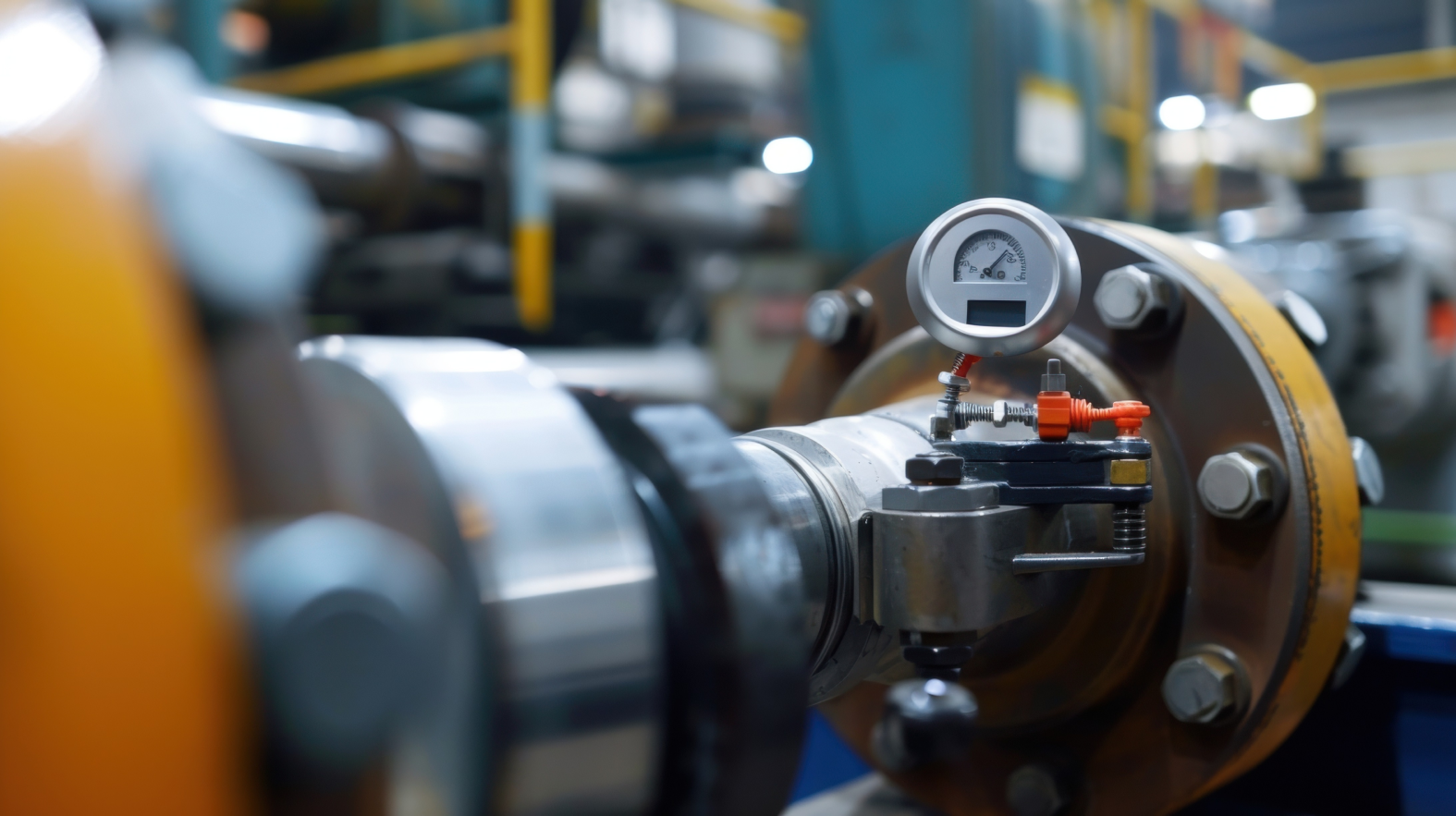
Industrial inspection services are essential to ensure the reliability, safety and operational efficiency of industrial equipment and processes. They are used to detect failures early, optimize predictive maintenance and reduce operating costs, ensuring optimal asset performance. At Preditec, we offer energy efficiency audits, fugitive emissions detection and advanced technical inspections, designed to identify areas for improvement, optimize energy consumption and reduce pollutant emissions.

Predictive maintenance
Predictive maintenance is an advanced strategy for detecting incipient failures in industrial equipment before they become serious failures. It is used to optimize production, reduce downtime and minimize maintenance costs, and is key in sectors such as energy, automotive, petrochemical and manufacturing.
At Preditec, we offer basic and advanced predictive maintenance services designed to maximize the efficiency and reliability of industrial assets. Through vibration analysis, thermography, ultrasound and lubricant monitoring, we help our customers achieve greater competitiveness and reduced operating costs.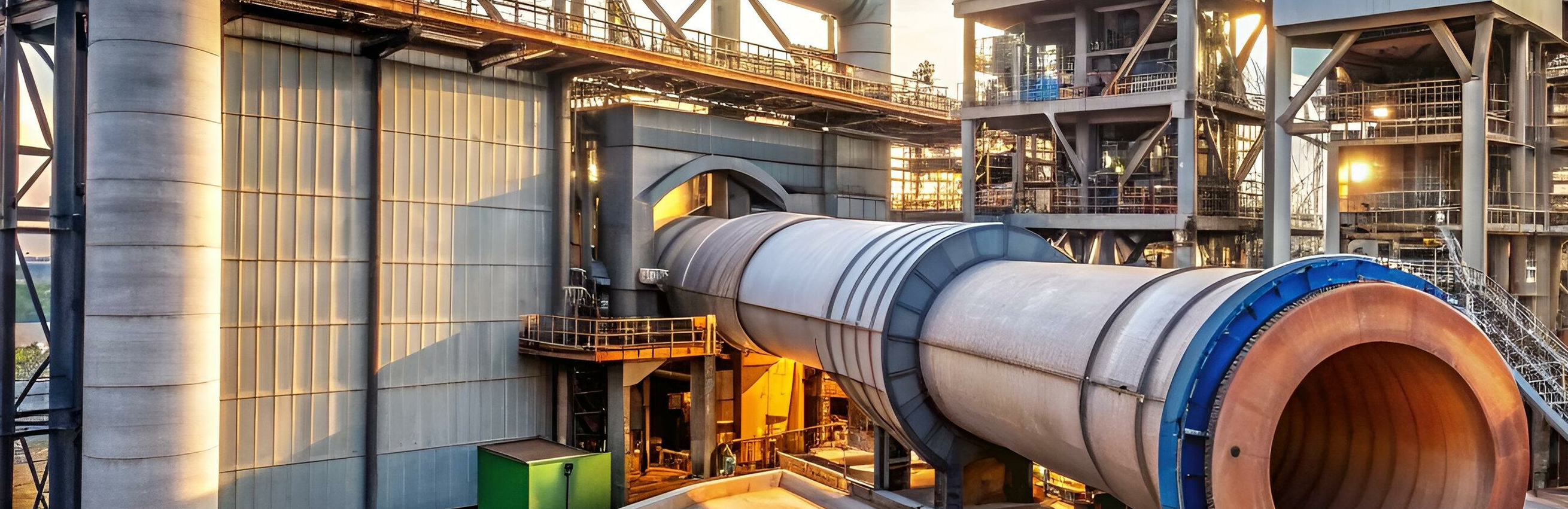
Advanced analysis
Machinery diagnostics is a key tool in predictive maintenance, as it allows to detect and prevent failures in critical equipment before they affect the industrial productivity and operability. It is used to analyze the condition of assets, optimizing their performance and extending their useful life. At Preditec, we offer advanced machinery diagnostics services, applying technologies such as vibration analysis, thermography, ultrasound and real-time monitoring, which are essential to ensure equipment reliability, avoid catastrophic failures and improve industrial maintenance management.
RESULTS AND ACHIEVEMENTS
An efficient system
All of this enabled the implementation of a predictive maintenance system based on knowledge of machine condition through vibration analysis and diagnostics.
The measured variables are sent to the plant’s distributed control system for analysis by the operators, who, thanks to the diagnostic tool, hosted on an external server, can make reports and assessments taking into account the data history of past measurements. The system architecture includes a fiber optic ring network with remote access capabilities.
30%
reduction of unplanned downtime
50%
savings in asset repair costs